Letterbox: Port Moody needs answers, not finger pointing
Dear editor,
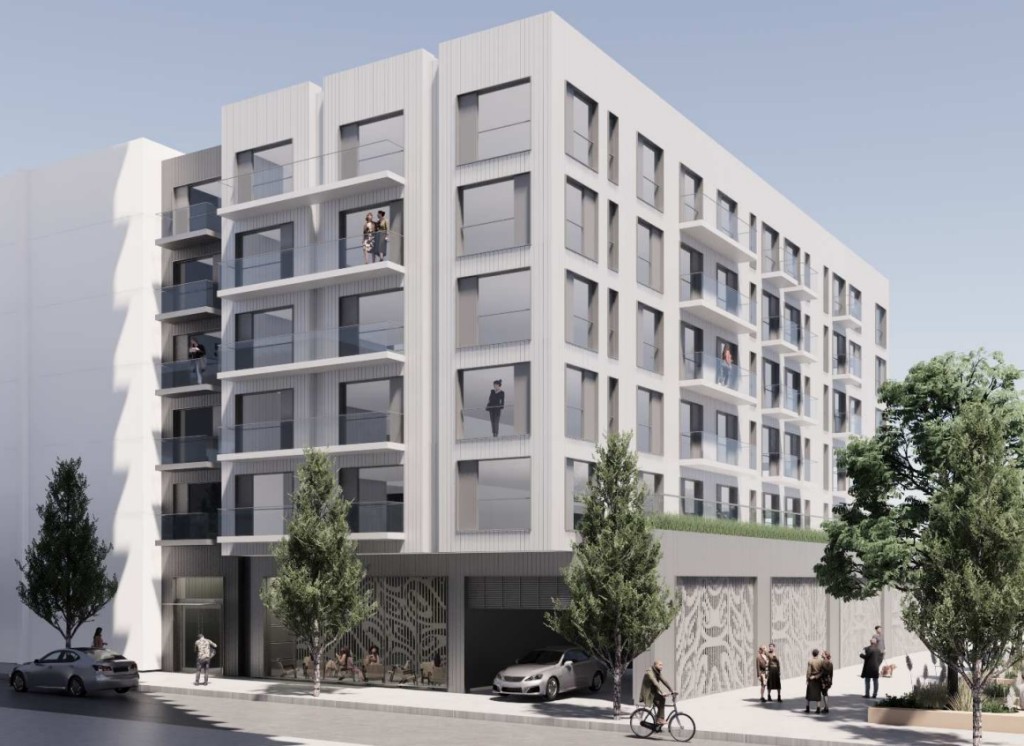
The recent uncertainty around the women’s transitional housing component tied to Beedie’s three-tower development has raised serious questions in the community.
From the beginning, many residents raised concerns about the scale and impact of the tower proposal. Those concerns were often framed at the council table as a false choice: questioning the height and density of the towers meant opposing housing for women fleeing violence – even though the transitional housing itself was a separate structure on another site.
Local news that matters to you
No one covers the Tri-Cities like we do. But we need your help to keep our community journalism sustainable.
To many in the community, that framing felt like it limited an honest discussion about whether the overall project actually made sense for Port Moody and whether the condo density being added reflected real community needs.
Now that the provincial funding component for the transitional housing is reportedly delayed or at risk, the conversation is again being framed in a way that limits honest reflection – this time away from examining the structure of the agreement itself and how council decisions shaped it, and toward political blame over a single funding source.
The decision to delay this B.C. Housing funding upset many in the community, including myself. A letter was sent by council asking the province to reconsider because this type of housing is in critical need. All advocacy is important, but letter writing alone will not fix the larger issue that got us here: the fragility of a development model that ties critical public benefits to private redevelopment projects, uncertain market conditions, and uncertain funding.
There are better, more stable ways to deliver deeply affordable housing. Direct public investment and strong non-profit partnerships provide clearer accountability and are more dependable than relying on large redevelopment agreements where key components depend on shifting conditions. These approaches also ensure greater transparency, so we aren’t relying on partial details from leaked letters (as has happened in this instance) as we try to formulate a response.
When essential community benefits depend on complex, conditional arrangements, they become fragile. And when they fall through or are delayed, public trust erodes.
This is the pattern many residents are expressing frustration with: major projects are approved with enthusiasm and certainty – often against a backdrop of significant community concern – while public benefits are highlighted and credited as the reason for approval. And when those same benefits become uncertain? Those that took credit for the success don’t take accountability for the failure.
While there have been earnest attempts to draw attention to the disappointing news from B.C. Housing, it’s time to move toward solutions. This will take clear answers and collective responsibility instead of finger pointing.
This is the moment to put politics aside and bring the right people together: Beedie, B.C. Housing, our MP, MLA, and housing ministers. Not just to resolve this situation, but to determine how critical affordable housing is best delivered in Port Moody going forward.
By asking the right questions of ourselves – and bringing the right people and organizations together – we can create a stronger path forward not only for affordable and livable housing, but for ensuring growth is balanced and matched with the infrastructure and amenities residents need.
Haven Lurbiecki
Port Moody City Councillor