How to be safe this Halloween in the Tri-Cities
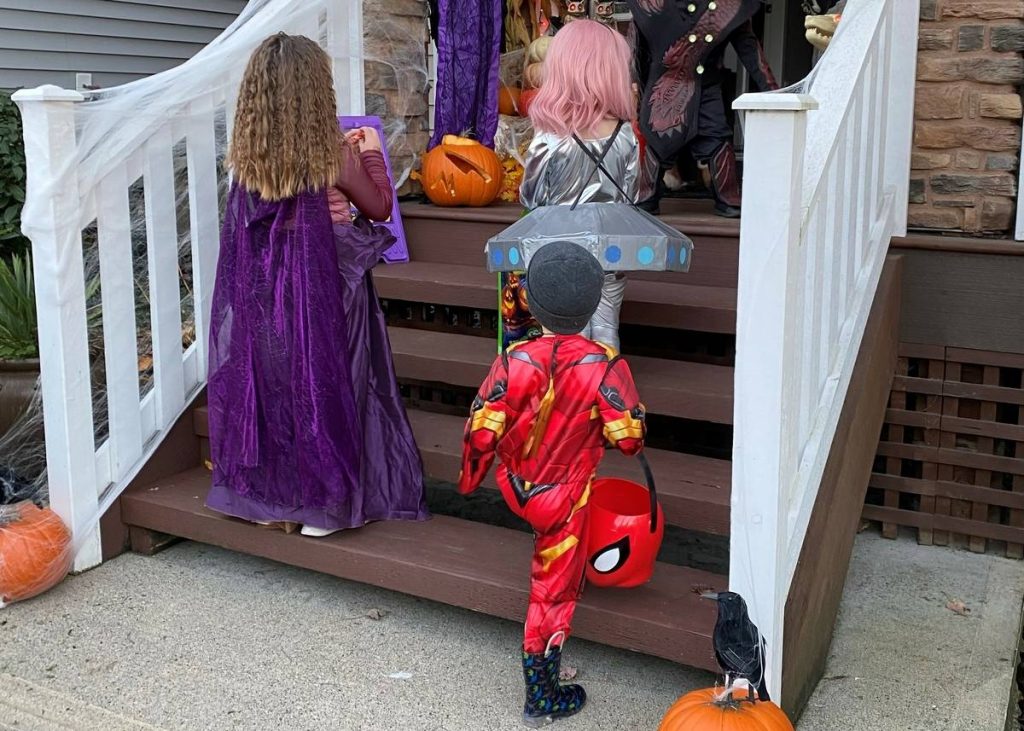
As Halloween approaches, trick-or-treaters will soon be out in droves, and local authorities are reminding Tri-Cities residents to stay safe.
The Coquitlam RCMP advises children and pedestrians to plan a “safe and scary” costume. They advise people to keep visible in the dark by wearing reflective tape or arm bands and carrying flashlights and/or glow sticks.
For those wearing masks, the police encourage using face paint instead. If that doesn’t work, they suggest trying the mask out before Halloween night to make your vision isn’t compromised.
Local news that matters to you
No one covers the Tri-Cities like we do. But we need your help to keep our community journalism sustainable.
The RCMP also recommend flame-retardant costumes that fit properly to avoid tripping and falling.
Police also advise trick-or-treaters to inspect candy before eating it: look for small holes and throw away anything that’s torn, unwrapped, or in loose packaging. Don’t eat homemade goods, and: “when in doubt throw it out.”
Drivers
Drivers should expect more foot traffic on Halloween night — much of it from young children.
The City of Coquitlam advises giving yourselves extra time to get around, driving slowly in residential areas, avoiding distractions (like cellphones), and watching out for pedestrians, cyclists and scooters at intersections.
Pets
Halloween can be an overstimulating time for pets, and the SPCA has tips on how to keep them safe during the holiday.
Because strangers and doorbells can be scary for animals, the SPCA recommends keeping them inside in a quiet room away from trick-or-treaters.
Before trick or treating begins, you can prepare your pet in advance: ring the doorbell and give them a treat. Or avoid doorbells altogether by leaving a bowl of treats outside your door where trick-or-treaters can grab it themselves.
Ensure your pet’s ID is up to date in case they escape. The SPCA recommends a collar with tags and an ear tattoo or microchip registered with the BC Pet Registry.
Avoid feeding animals candy, as hard candy can cause choking, and chocolate is toxic to dogs and cats.
Finally, resist the urge to dress up your pet — costumes can restrict movement and make it harder for them to communicate through things like tail wagging or ear positions.