Coquitlam-Burke Mountain candidates answer your questions
Candidates were given five days to respond to these questions. Three of the four candidates in the riding answered the questionnaire by deadline.
Respondents were asked to limit their answers to 100 words per question.
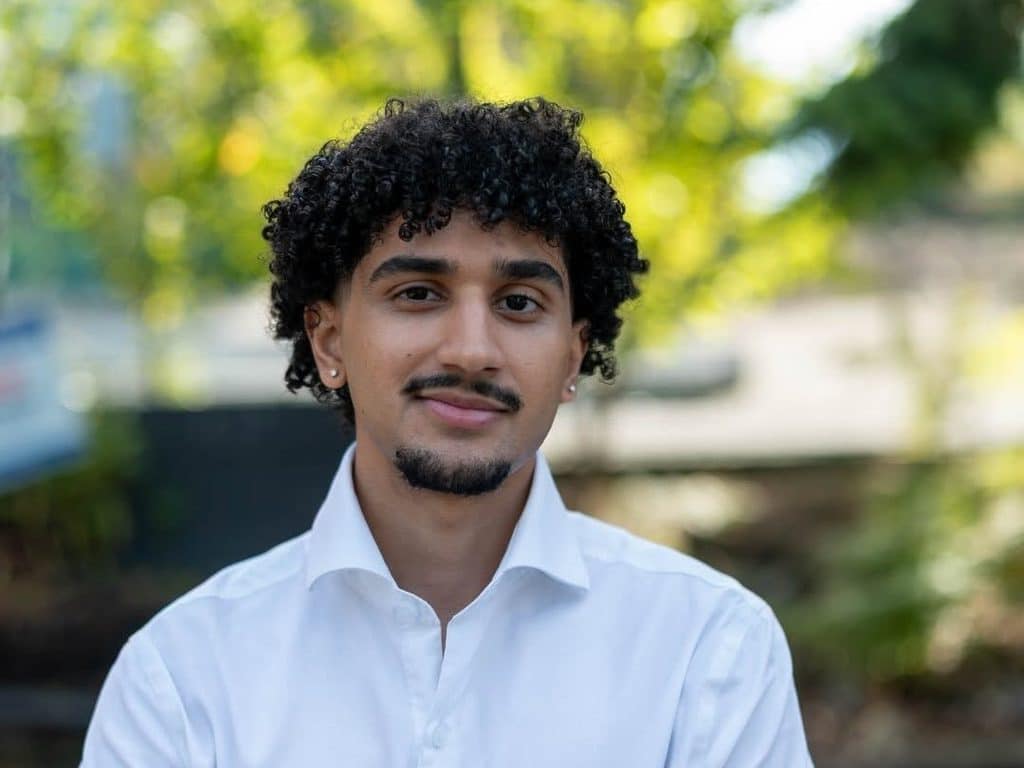
Kaden Mann, CentreBC
Local news that matters to you
No one covers the Tri-Cities like we do. But we need your help to keep our community journalism sustainable.
How long have you lived in the riding?
I was born and raised in Coquitlam. I went to Canyon Springs Preschool, Hampton Park Elementary, Summit Middle School, and Gleneagle Secondary.
At six months old, I started swimming lessons at Coquitlam Aquatic Centre. I also grew up playing Coquitlam Minor Hockey, including plenty of 4 a.m. wake-ups for practices, and later refereed hockey in the community. Coquitlam has been home for my entire life, and my strongest memories, friendships, and experiences come from this community. I love
Coquitlam, and I’m running because I want to ensure the community I grew up in continues to be well represented.
How will you create more good jobs in your riding?
We need to create more opportunities for people to build careers here in Coquitlam-Burke Mountain. Our plan would expand access to dual-credit programs in health care and trades, while also increasing training and apprenticeship opportunities. Increased investment in skilled-trades training would create about 3,500 training and apprenticeship spots each year by 2028. We would support B.C.-made products and local industry, creating more jobs locally. I know how difficult it can be to find work while trying to pay for school because I’ve dealt with that myself, and I want people here to have more opportunities.
Under what conditions, if any, should B.C. welcome AI data centres?
If AI data centres are going to operate in B.C., they should meet clear conditions. They should pay the full cost of the electricity they use so regular BC Hydro customers are not left covering part of the cost. Water use also needs to be taken seriously. Residents already face restrictions on water use, so large data centres should also be expected to use water responsibly and rely on water-recycling or closed-loop cooling systems. Larger centres should also have plans to reuse the waste heat they produce, and B.C. businesses and universities should benefit from the technology being built here.
What steps should the province take to mitigate the effects of climate change?
We can mitigate the effects of climate change while keeping the economy strong and life affordable. A Climate Accountability Office would report yearly to ensure progress is being made. Homeowners should be supported in improving energy efficiency through heat pumps, insulation, and solar with no upfront cost, with loans repaid over time. The plan also includes 1,500 highway fast-charging ports by 2030, expanded clean power, and lower methane emissions. To maintain fiscal responsibility, at least $100 million a year from existing industrial carbon-pricing revenue would go into the CleanBC Industry Fund, avoiding unnecessary debt or additional costs for taxpayers.
What measures will you take to protect and restore biodiversity and watersheds?
Through spending restraint, smarter spending, and collecting money already owed, we can double the Watershed Security Fund to $200 million.
It would support local projects for drinking water, salmon, flood protection, reservoirs, irrigation, and aquifer recharge in areas facing repeated drought. Farmers would also have a formal seat in watershed planning. We would work with the First Nations Health Authority and Ottawa to help end long-term drinking water advisories in B.C. First Nations communities. Protecting biodiversity also means protecting parks, conservation areas, clean water, and salmon habitat while making sure local communities are involved in how these areas are managed.
Would you support a change to proportional representation in B.C. elections?
The question of switching to proportional representation in B.C. is worth discussing. Different electoral systems have different strengths and trade-offs, including how closely results reflect the overall vote and how local representation is maintained. I think MLAs should have a strong connection with the people they represent. If the people we represent want this change, it is something that should be discussed. I believe people should have more of a say in the decisions that affect them, and government should listen. We should not serve the government; the government should serve us.
What is your stance on micromobility devices and improving first/last kilometre travel?
Coquitlam already has micromobility options such as e-bikes, scooters, and cycling. I support continuing these options while also emphasizing safety. My stance also depends on what the people of the community want and what works best for them. I would work with the municipal government and residents of Coquitlam to find practical solutions. People should continue to have access to micromobility options, while we make sure they are being used safely. We should also listen to concerns and suggestions from the people we represent and adjust policies when needed.
Has the province provided enough funding for the construction of new schools? If not, what should change?
The province has not kept pace with our population growth. Across Coquitlam, too many students rely on portable classrooms because school infrastructure has not expanded quickly enough alongside new housing and growing communities. CentreBC would invest about $750 million over four years to add 25,000 new school seats by 2031, fully costed within our fiscal plan. As a province, we need to prioritize funding for essential services like education. Schools are the foundation of future opportunities, and students deserve permanent, well-planned classrooms with the space and resources they need to succeed.
How will your party improve ambulance response times in the Tri-Cities?
CentreBC will improve emergency care across the system. We would work to keep emergency rooms open, expand the health-care workforce, and introduce public targets for ER wait times so delays can be identified and addressed. Our goal is to cut unplanned ER closure hours in half by 2029/30. In the Tri-Cities, this would be beneficial. I would also advocate to ensure ambulance resources keep pace with our growing population. These changes would benefit ambulance response times by helping hospitals receive patients more efficiently, allowing paramedics to return to the road sooner.
Are you in favour of privatizing or partially privatizing medical care in BC? Explain why or why not.
I am disappointed by how unaffordable life has become for British Columbians, especially when our health-care system does not reflect the taxes people already pay. I do not support privatizing medical care.
Privatization would not automatically mean taxes disappear or even fall significantly, because government would still fund many public services and likely continue funding parts of health care. That could leave families paying substantial taxes while also facing premiums and medical bills. British Columbians already pay enough. We should focus on making the system they already fund actually work for them.
Why should residents vote for you?
Residents should vote for me because I have confidence not only in my party, but also in my ability to bring energy, creativity, and a different perspective to government. As a younger candidate, I think about the future I will inherit and the future we are leaving to the next generation. I stepped up because I am frustrated by rising taxes, growing debt, and infrastructure that has not kept pace with what people are paying for. I want government to be more responsible, more accountable, and fairer. I am willing to step up and work for change for my generation and the generations that come after us.
Jodie Wickens, BC NDP (incumbent)

How long have you lived in the riding?
I live in the riding, and for the past 23 years I’ve been proud to call Coquitlam home. This is where I’ve raised my children, where I live in a multigenerational household with my 85-year-old mother-in-law, and where I’ve spent more than two decades working alongside children and families.
How will you create more good jobs in your riding?
Working with the federal government, we’ll open new markets for BC products, and help BC businesses to grow and trade with the world. We’ll provide direct relief for small businesses impacted by US tariffs, and create a hiring incentive credit for businesses who hire young people for their first full-time job.
Under what conditions, if any, should B.C. welcome AI data centres?
We all want to protect our communities, our water supply and our power grid. That’s why last fall the BC NDP passed a new law to limit the power available for data centres, safeguard our power grid, and support our climate goals. We’ll also be setting strict new water-efficiency standards, mandated public reporting of water use, and requiring engagement with local communities on conservation and drought planning.
What steps should the province take to mitigate the effects of climate change?
The BC NDP has been taking action to fight climate change while growing our economy. Under our plan, emissions per dollar of economic activity are down over 30%, and methane emissions are down 48%. Our proposed Clean Futures Fund will dedicate a portion of provincial revenue from oil and gas to fund climate action programs that help families and businesses choose less costly clean energy, and create new jobs, starting with an investment of $50 million. Many Conservative candidates don’t believe in the science behind climate change, and they can’t be trusted to take serious action.
What measures will you take to protect and restore biodiversity and watersheds?
The BC NDP is on track to meet our goal to protect 30% of B.C.’s land by 2030. We are currently at 20% protected, or 18.9 million hectares. We also successfully fought to maintain the North Coast Tanker Ban, protecting an incredibly unique ecosystem. Next, we will invest $30 million per year into the BC Watershed Security Fund, to secure healthy watersheds and thriving communities for generations. The Conservatives oppose our 30×30 goal, and would roll back conservation.
Would you support a change to proportional representation in B.C. elections?
It’s crucial that our democracy is strong and that we have the tools to adapt to changing pressures on our democratic system. In 2018, we held a referendum in which British Columbians indicated that the current voting system was where they wanted to stay. But there is still work to be done to make sure our political system reflects the needs of British Columbians.
In 2025 we struck an all-party committee to examine democratic engagement, and we’ll continue to work together with all parties to ensure the integrity of our democracy.
What is your stance on micromobility devices and improving first/last kilometre travel?
New options that allow people to get around with lower carbon emissions are exciting, but the safety of all road users needs to be paramount. That’s why we launched a detailed study of e-scooters to see how best to safely integrate them into our transportation networks. Local governments know their needs best, which is why municipalities have the choice to opt-in to this study period. Our BC NDP government has invested in active transportation infrastructure projects like cycling lanes and multi-use paths that make it easier for people to get around their community.
Has the province provided enough funding for the construction of new schools? If not, what should change?
Investments must keep up with growth. We’ve built seismic replacements for Moody and Irvine Elementary and additions at Charles Best Secondary and Scott Creek Middle, along with the brand-new Coast Salish Elementary.
Currently in progress there’s the seismic replacement of Montgomery Middle, the replacement for Hazel Trembath, and the new Burke Mountain Secondary. And we will build a new middle school for Burke Mountain.
The last time conservative politicians were in government, they closed 250 schools including eight in SD 43. The BC NDP has 250 new or upgraded schools complete or underway across the province.
How will your party improve ambulance response times in the Tri-Cities?
The paramedics in our community do such an important job, and I am incredibly grateful for their service. Since 2017, the BC NDP has added 156 ambulances and over 2,100 new positions with BC Emergency Health Services throughout the province. We’ve also improved training and mental health support for paramedics, to help retain these skilled individuals.
Are you in favour of privatizing or partially privatizing medical care in BC? Explain why or why not.
Absolutely not. I, along with every single BC NDP candidate, have signed a Public Health Care Guarantee because we believe no matter your income, you should have access to quality care, when you need it. The BC NDP will close loopholes that allow clinics to charge user fees and extra billing for publicly insured, medically necessary services.
In Alberta, the conservative government is creating a two-tier healthcare system, with private-pay options that pull resources from the public system. We cannot let the same thing happen here.
Why should residents vote for you?
Coquitlam has been my home for over 23 years. It’s where I’ve raised my family, built relationships, and dedicated much of my life to serving our community. My commitment didn’t begin when I was elected, and it won’t end with an election. I bring experience in community leadership, advocacy, and government, along with a proven commitment to getting things done.
I’ve worked hard to secure investments in schools, child care, infrastructure, and services for families. For me, public service is about showing up, listening, building relationships, and delivering results. I’m deeply committed to the people and community I proudly call home.
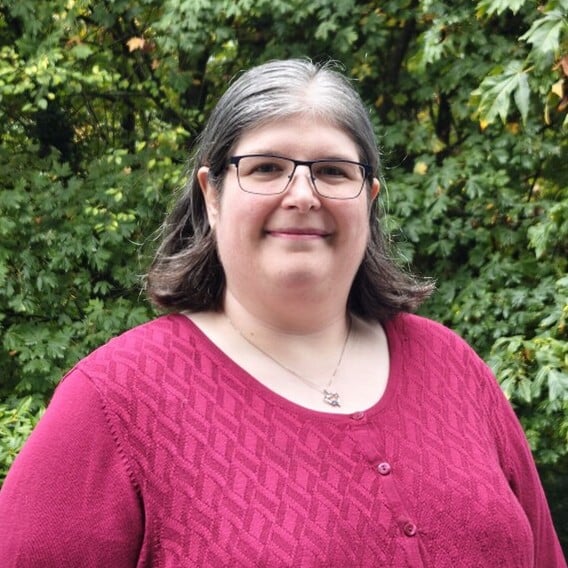
Valerie Morrison, BC Green Party
How long have you lived in the riding?
I have lived in the Tri-Cities for over 5 years. The last few years I’ve been involved in my townhouse community’s strata council, most recently as vice president and secretary.
How will you create more good jobs in your riding?
Expanding public services will create many employment opportunities, from medical positions to the construction of new infrastructure. We will also support small businesses by capping commercial rent increases, and give local businesses first choice to buy property when it becomes available, assisting with provincial loans. Also, raising the minimum wage and supporting unionization will improve the quality of employment, enticing people to stay local instead of looking elsewhere for opportunities.
Under what conditions, if any, should B.C. welcome AI data centres?
We need to put an immediate pause on all AI data centres until a public interest audit can be completed and restrictions are put in place. Generative AI consumes incredible amounts of resources, amplifies misinformation, diminishes livelihoods, and is a threat to personal privacy. We would give people the option to opt out of using a site’s algorithms, strengthen the Freedom of Information and Protection of Privacy acts, and ban surveillance pricing.
What steps should the province take to mitigate the effects of climate change?
BC needs to begin a managed transition away from fossil fuels. Fracking/gas extraction releases harmful emissions in our communities and exacerbates the climate crisis. Instead of subsidizing those companies, we should be taxing the major polluters to pay their fair share for the cleanup. We need to work with First Nations and local governments to prepare for wildfires, flooding, drought, extreme heat and other hazards. We also need to create more urban forestry and green buildings to help cool neighborhoods, and ensure people have access to cool spaces with clean air by promoting heat pump installation.
What measures will you take to protect and restore biodiversity and watersheds?
Regional forest planning should begin by identifying what each area needs to sustain ecosystem health, and then providing workers and businesses with a long-term forestry plan based within those limits. We will permanently protect all old growth and ban clear cutting. We will provide conservation financing to support Indigenous-led protection and replace lost forestry revenues where needed. We will protect water resources for the benefit of people and the environment, and not the profits of data centres or bottled water companies. We will coordinate watershed planning, monitoring, and restoration with First Nations and local governments.
Would you support a change to proportional representation in B.C. elections?
Definitely! Our first-past-the-post system is sorely outdated. We will introduce legislation to pass a proportional representation system for the 2030 election. I know some people are concerned that proportional representation might let extremist parties take power, but our current first-past-the-post system doesn’t prevent that, because major parties adopt the extreme policies to get those people’s votes. Recently, an all-party BC committee investigating proportional representation recommended creating a citizen’s assembly to look at options, but Eby shut it down. Many democratic countries around the world use proportional representation, and I believe we can find a system that works well for BC.
What is your stance on micromobility devices and improving first/last kilometre travel?
Having more options for transportation is definitely a benefit to the community. It allows people to take public transit if their destination is too far away for walking, and promotes active lifestyles. It also may enable people with certain disabilities to travel farther. I am glad that the parking stations have been implemented, as scooters being left in the way on sidewalks was blocking those with disabilities and posing a safety hazard.
Has the province provided enough funding for the construction of new schools? If not, what should change?
I don’t believe the province has provided enough funding for the construction of new schools. Research by the British Columbia Teachers Federation found that provincial education funding covered only 75% of what BC school districts actually spent, which has persisted for at least 18 years. The BC Greens will close this gap. We will develop a detailed improvements plan to ensure school facilities meet high standards of safety, functionality, and climate resilience. We will also review per-pupil funding to develop a new needs-based, stable, and sustainable model to fund the costs of each school district.
How will your party improve ambulance response times in the Tri-Cities?
Along with improving funding for emergency departments, taking preventative measures will reduce the frequency of calls. When early intervention is unavailable, conditions worsen, leading to more severe health issues that are costly and resource-intensive to treat. The BC Greens will establish an integrated Community Health Centre in every riding in the province, support effective triage in the ER with more long-term care beds, and commit to funding Virtual Group Care for those with complex chronic diseases. We will also improve the working conditions of medical professionals by working with health unions to retain care staff.
Are you in favour of privatizing or partially privatizing medical care in BC? Explain why or why not.
Absolutely not. I have spent time in the US, and I don’t think people have any idea how costly it is even when you’re covered by an employer. The Eby Government provides millions of dollars for private care every year. This contributes to workforce shortages in our public hospitals and comes at a higher price due to profit margins and higher labour costs. In Alberta, private care has resulted in reduced surgical capacity and worsening wait times. The BC Greens will keep public dollars focused on health care to ensure that all British Columbians can access the care they need, regardless of income.
Why should residents vote for you?
I decided to run because, like many of you, I’ve been frustrated with the state of our government and political games from the major parties. I want policies that will actually help make things better, and someone needed to step up to give voters that choice. I promise that if I’m elected, I won’t get bogged down in campaigning and politicking. I will remember why I wanted to run, and focus on the issues.
Author