Eagle Ridge Hospital to have new AI tech installed to help catch colon cancer early
Eagle Ridge Hospital in Port Moody is one of several hospitals installing new artificial intelligence (AI) technology to better screen patients for colon cancer.
On Dec. 11, Fraser Health announced a $1.2 million investment to purchase and install GI Genius, an advanced early detection system, into 12 Lower Mainland Hospitals.
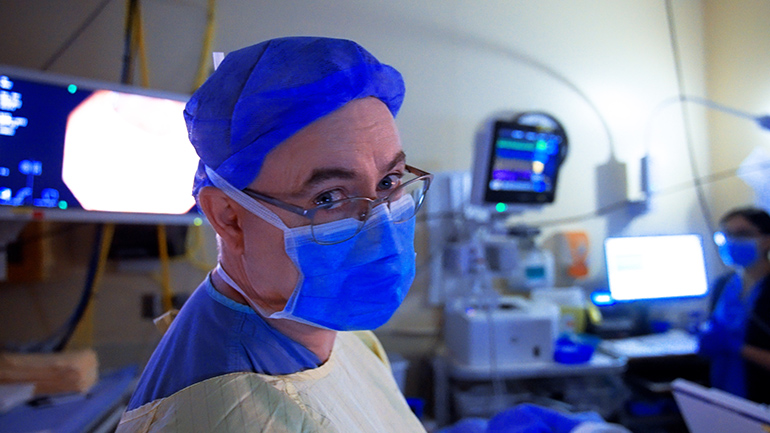
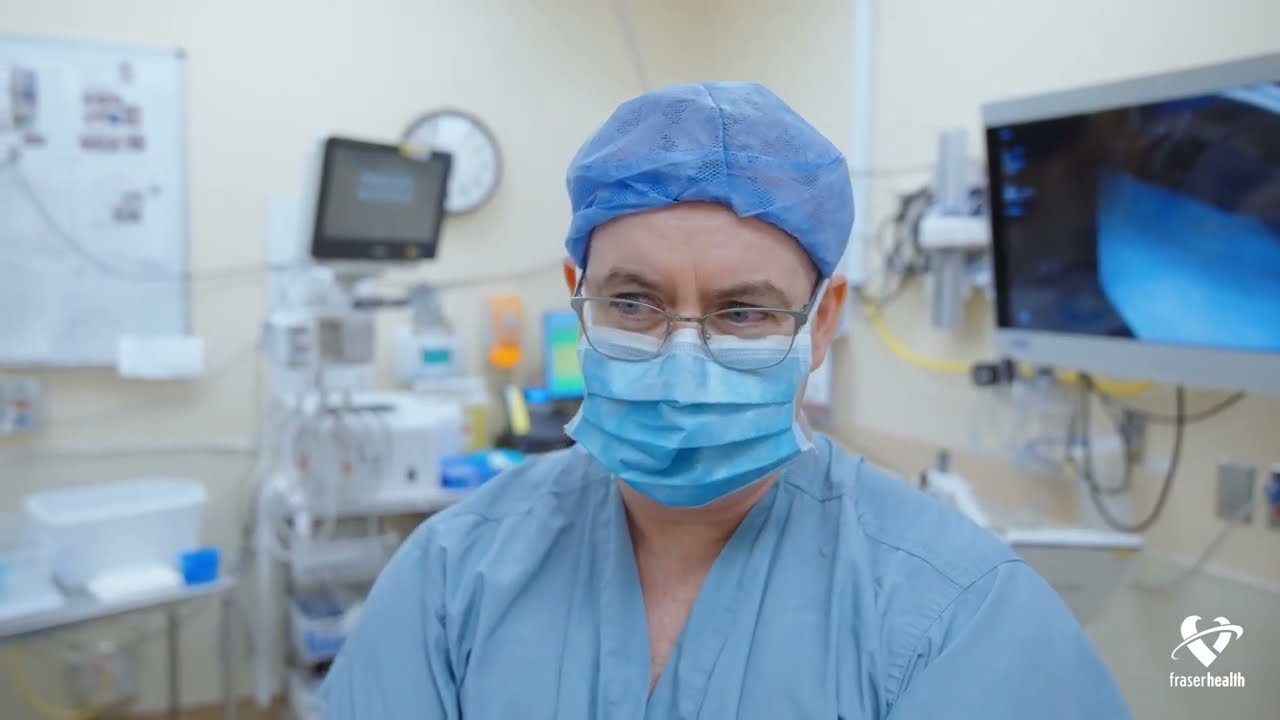
“This is a huge benefit for our patients,” says Dr. Scott Cowie, a surgeon with Langley Memorial Hospital. “By detecting and treating polyps early, we’re reducing the risk of missed findings and improving the quality of life for people in our region.”
Local news that matters to you
No one covers the Tri-Cities like we do. But we need your help to keep our community journalism sustainable.
GI Genius is a computer-aided system that will be used by medical professionals during colonoscopies to improve the chance of catching and removing precancerous lesions.
The technology, which looks like a black box, allows medical teams to detect polyps or lesions that a human eye may miss.
It leverages AI to more accurately find pre-cancerous polyps forming in a patient’s intestines that indicate greater risk of colorectal cancer, and is integrated alongside already existing technology to provide real-time information for doctors and endoscopists.
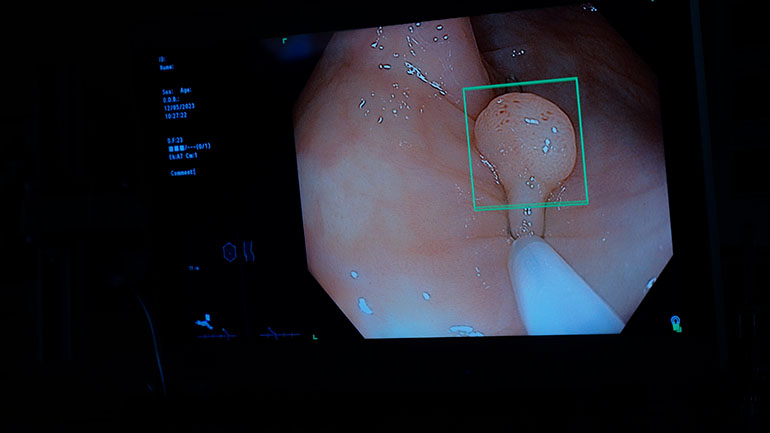
“The AI system gives us a second set of eyes in the room, with a computer system looking at digital images in real time and drawing the endoscopy team’s attention to something that may be abnormal,” Cowie said.
Research has shown AI technologies are quite effective at detection, according to Cowie.
He said in one randomized trial detection increased by up to 30 percent, while other studies have shown they are cost effective and don’t increase the length of procedures.
Cowie said colonoscopies are a “very visual” diagnostic tool that rely on a team to detect often-subtle lesions, which can be overlooked for numerous reasons.
“The system is quite accurate at determining what is abnormal and what isn’t,” Cowie said. “The end result is you have an objective observer on your shoulder, all the time, not tired, looking at the screen.”
Fraser Health’s director of research and evaluation, Kate Keetch said that utilizing AI technology for health care practices is underway across the world. She said using AI to screen for colon cancer is just one way machine learning is improving patient care.
Fraser Health’s Cancer Screening Program is the busiest in B.C., with more than 13,000 patients referred in 2022.
Patients are referred to the program after receiving a positive fecal immunochemical test, putting them at risk of colon cancer based on condition or family history.
Other hospitals having GI Genius integrated into their detection systems include Abbotsford Regional Hospital, Burnaby Hospital, Chilliwack General Hospital, Delta Hospital, Langley Memorial Hospital, Peach Arch Hospital, Royal Columbian Hospital, Ridge Meadows Hospital, Surrey Memorial Hospital, Mission Memorial Hospital and Jim Pattison Outpatient Care and Surgical Centre.
Author