Port Moody raises red flags over Anmore South development plan; developer objects to letter’s tone
Following a review by staff, the City of Port Moody has raised significant concerns about Icona Properties’ proposed Anmore South development.
In a formal letter written in response to the Village of Anmore’s request for feedback, the city raised red flags over the development’s impact on its infrastructure, roads, environment, emergency services, and climate goals.
“Port Moody (has) significant concerns with impacts from the proposed official community plan (OCP) amendment for Anmore South lands,” stated the letter signed by Mayor Meghan Lahti.
Local news that matters to you
No one covers the Tri-Cities like we do. But we need your help to keep our community journalism sustainable.
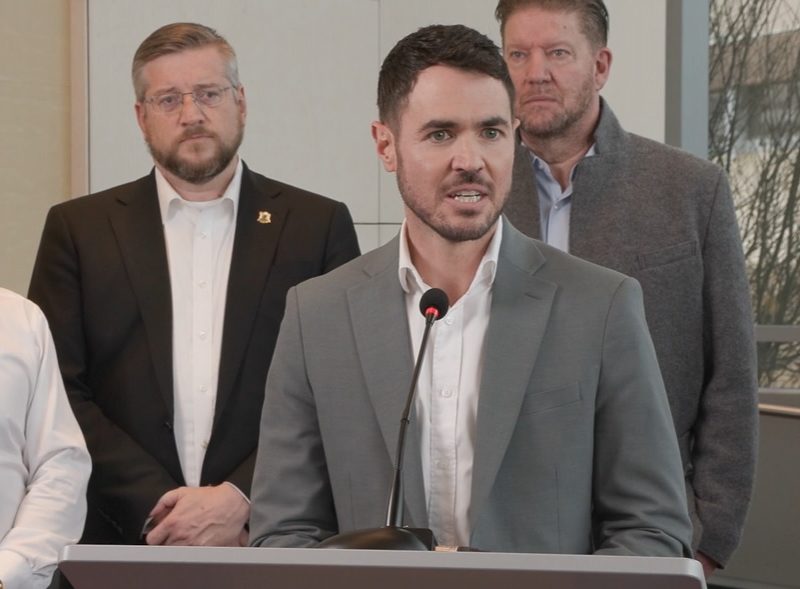
Although the letter was addressed to Anmore’s Mayor John McEwen, Greg Moore – Icona’s CEO and former Port Coquitlam mayor – attended Port Moody’s May 27 council meeting to provide a response.
Moore objected to the “tone” of the city’s letter, stating that while it’s fair to have concerns, council should be respectful and collaborative about overcoming specific challenges.
“If we don’t, and we just put up all of these barriers, then none of us would grow,” he said. “The tone of the letter really does come across as ‘Port Moody knows better than Anmore, and you should just follow our guidance.’”
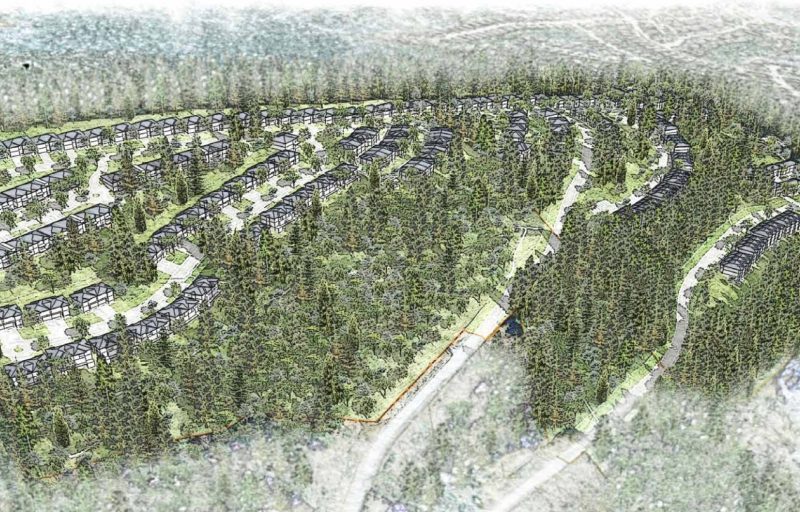
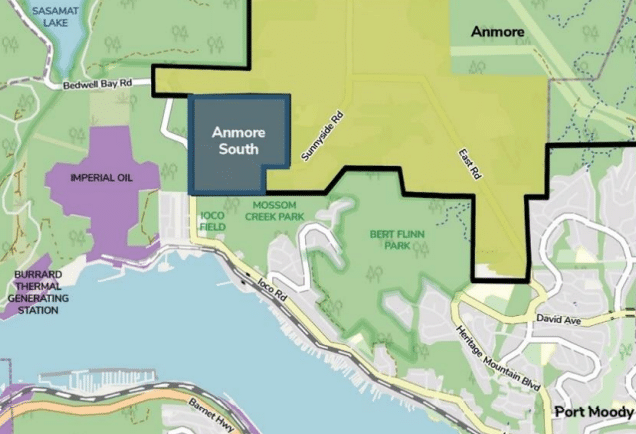
The Anmore South project aims to build 2,200 new residential units on the village’s southwest border with Port Moody, tripling Anmore’s population. Anmore council has advanced the amendment past the first two readings, and the application is on the verge of heading to a public hearing.
Port Moody’s response, written by staff across multiple departments, was endorsed without comment on Tuesday. It details a raft of objections, warning that the plan is inconsistent with regional growth strategies and that critical infrastructure and environmental impacts have not been properly addressed.
It is not the first of Anmore’s municipal neighbours to raise questions about the development.
Following a review by a consultant, Belcarra’s council endorsed a similar letter on April 1, raising concerns around access, transportation, emergency services, pressure on parks and environment, and schools and civic amenities.
Traffic
One of the more pressing concerns was the potential traffic overload on Ioco Road.
Port Moody stated that without upgrades – many of which were “unfeasible” due to physical constraints – Ioco Road and its surrounding intersections could only handle about 40 percent of the new traffic added by the development.
Staff also questioned “optimistic” assumptions in the development’s traffic impact assessment (TIA), stating it is heavily reliant on unconfirmed transit improvements and TransLink does not plan to expand frequent bus service into Anmore.
The TIA also underestimated the impact of future possible developments on the Burrard Thermal and Imperial Oil industrial sites, according to staff.
“Without a realistic and coordinated transportation strategy, the Ioco development risks overwhelming the existing network in the area impacting safety and livability along Ioco Road,” the letter stated.
Moore countered that upgrades to the road network are needed over a 25 year build-out period, and stated Port Moody’s OCP does not contemplate the future of its roads decades in the future.
He said when he was mayor of Port Coquitlam and Coquitlam amended its OCP change to permit Burke Mountain development, Coast Meridian Road was only two lanes with dirt shoulders.
“We all make decisions that affect our neighboring communities,” Moore said. “We should all try to work together collectively to overcome those challenges as one, not as ‘I know best,’ or ‘You should do this because I said so.”
Some of the development’s proposed solutions were rejected by the city as unsafe and inconsistent with existing traffic calming plans.
Staff recommended some alternatives, such as diverting traffic to East and Sunnyside Roads; expanding the major road network to include Heritage Mountain Boulevard and David Avenue; implementing transportation demand management strategies such as shuttle buses from day one; and improving non-car based access to SkyTrain stations.
Infrastructure
Anmore plans to connect the new neighbourhood to regional water and sewer systems via Port Moody’s infrastructure.
Staff’s report, however, states there have been “no discussions” about alignment, constraints, or access, despite the fact that key areas like Ioco Road are already undergoing upgrades and have limited space for new utility corridors.
The city flatly rejected any proposal to route utilities through Bert Flinn Park, which is protected parkland that would require a referendum to alter.
Staff also said the proposed drainage system fails to meet city or regional standards. The report was critical of the use of minimum setbacks based on Coquitlam’s zoning, and that the plan only controls water flows up to a 1-in-5-year storm event as opposed to the 1-in-100-year standard expected to mitigate flood risk.
Local geological conditions, such as shallow soils and steep slopes, could further increase runoff and erosion downstream in areas like Schoolhouse Creek, according to the report.
The city also emphasized no provisions have been made to study the broader impacts of new Metro Vancouver connections on the existing East Road water line or on Port Moody’s own system, which is undergoing analysis to accommodate B.C.’s new housing density laws.
It warned that Anmore would need to fund additional modelling if it expects to place increased demand on Port Moody’s water infrastructure.
Another concern was that Anmore South residents would be heavily reliant on Port Moody’s parks and recreation facilities without providing funding for expansion or maintenance.
Environment
Anmore South also poses risks to sensitive ecosystems, including Mossom Creek and Bert Flinn Park, according to staff.
The report criticized the lack of an arborist report, tree plan, or analysis of former contamination risks on the property.
Staff also warned the proposed buffers between Anmore South and Port Moody lands were inadequate, increasing the risk of invasive species, downed trees, and forest degradation.
Furthermore, the report urged Anmore to audit its fire service needs and plan for mutual-aid support, particularly as growth moves into wildland-urban interface zones. It stressed the importance of ensuring fire infrastructure scales appropriately with population growth, enforcing FireSmart practices, and maintaining defensible space.
Lastly, staff raised the issue of the car-dependent nature of the development, which they said is at odds with Port Moody’s OCP and climate action plan. With no rapid transit and limited services, Anmore South will likely hurt both cities’ ability to hit their emissions targets.
Author