Port Moody to consider free or discount parking passes for residents at Rocky Point Park
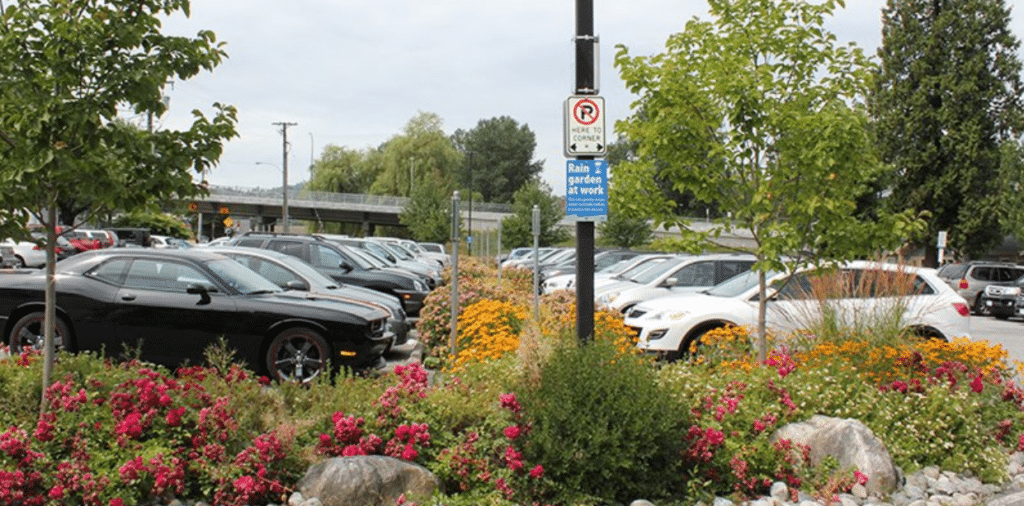
Port Moody residents could eventually get discounted or free parking at Rocky Point Park after council directed staff to develop two potential resident parking pass programs for a one-year trial.
Council voted July 21 to have staff return with implementation plans for both a discounted resident parking pass and a pass offering free parking at Rocky Point, despite concerns that making parking cheaper could undo some of the gains the city says it has made in improving parking availability.
Port Moody introduced paid parking in September 2024 at Rocky Point Park, Esplanade Avenue, Murray Street, Suter Brook Village and Ungless Way. The city’s policy set a target of roughly 85 percent peak occupancy – meaning 15 percent of spaces would always be available – encouraging turnover, alternative transportation and generating revenue.
Local news that matters to you
No one covers the Tri-Cities like we do. But we need your help to keep our community journalism sustainable.
Coun. Haven Lurbiecki, who was the lone councillor to oppose the original paid parking program, pushed council to consider allowing residents to park free for up to four hours at Rocky Point through an annual pass.
She argued families, seniors and others who need to drive should be able to access the city’s parkland without paying each time.
“I think this is something our residents want to see,” Lurbiecki said. “We have actually not seen huge results in parking turnover at Rocky Point Park. I’m not concerned about the impact on parking demand substantially, given the numbers we’ve seen.”
City data shows Port Moody residents make up about 10 percent of paid parking users during the on-season and 15 percent during the off-season. They are estimated to generate about $71,100 annually across the city’s paid parking areas, including roughly $50,000 at Rocky Point.
A first-year review of the program, released in November 2025, showed that turnover rates actually decreased at Rocky Point Park’s main lot following implementation of paid parking. On the other hand, turnover rates on streets adjacent to the park – Esplanade Avenue and Murray Street – rose.
In response, the city hiked parking rates for Rocky Point Park by 50 percent in March 2026, though no further reports have been released about the effect on turnover rates.
Lurbiecki argued a resident pass could improve access without substantially affecting parking demand.
Staff, however, recommended a discounted pass rather than free parking, which would allow residents to buy an annual pass and pay a reduced rate, while continuing to follow existing time limits. Staff estimated an administration fee of about $15 per pass.
A free-parking pass was not recommended because staff said it could encourage residents to drive more frequently and remain for the maximum four hours, increasing demand and reducing turnover. It could also cost the city approximately $50,000 in annual Rocky Point parking revenue.
That concern was shared by several councillors.
Coun. Kyla Knowles disputed Lurbiecki’s suggestion that paid parking had not significantly improved turnover, pointing to city data showing the program had achieved its targeted 85 percent occupancy rate.
“The four-hour limit and the paid parking is absolutely working,” Knowles said. “I have been hearing about it from residents across the city about how nice it is to actually be able to find spots now. And in fact, having been at Ribfest all three days this weekend, there were spots open during Ribfest at Rocky Point Park, which is amazing.”
Knowles added she was concerned a relatively inexpensive annual pass could encourage large numbers of residents to sign up and undermine those gains.
Coun. Samantha Agtarap raised similar concerns, saying paid parking not only helps fund enforcement but is intended to encourage people to walk, cycle or use other transportation.
“Free parking is not going to encourage this at all,” she said.
Mayor Meghan Lahti said she was initially more inclined toward the discounted option and warned that making a free-parking pass too inexpensive could defeat the purpose of paid parking.
“We have been told by staff that the program that we have right now is working,” Lahti said. “So I think the more that we tinker with it, the higher the risk is that it will not.”
Lahti also pushed back against suggestions that the potential revenue loss should not factor into council’s decision, noting parking revenue helps pay for bylaw enforcement and is incorporated into the city’s budget.
Staff currently projects the city’s paid parking program will generate approximately $588,000 in annual gross revenue, before operating expenses and taxes.
Coun. Diana Dilworth proposed making any resident pass a one-year pilot, giving the city an opportunity to measure its impact before deciding whether to continue it.
She also asked staff to examine resident parking programs in municipalities including Coquitlam, West Vancouver, Vancouver, Surrey and Richmond before recommending an annual fee.
Jeff Moi, general manager of engineering and operations, said municipalities take different approaches, with some charging only enough to cover administrative expenses and others offering free permits.
He acknowledged that a $15 annual fee – roughly equivalent to a couple of days of parking at Rocky Point – could be low enough that residents might purchase a pass simply to have one.
A somewhat higher fee, Moi said, could help recover revenue while discouraging people who rarely use Rocky Point from signing up.
Dilworth’s amendment requiring the one-year pilot and municipal comparison passed unanimously.
The debate then shifted to whether staff should return only with the free-parking option or also continue examining the city’s recommended discounted-rate model.
Coun. Amy Lubik said she was concerned it could be difficult to introduce free parking and later take it away if the pilot resulted in reduced turnover.
“I think it’s easier to do it in steps,” she said.
Agtarap ultimately moved to have staff bring back both options.
Lurbiecki opposed adding the discounted option, saying it failed to address what he viewed as the fundamental issue: residents having access to recreation spaces without paying each time they visit.
Agtarap, however, questioned why taxpayers who drive should effectively receive free use of public space to store their vehicles while those who arrive by other means do not.
Council voted 6-1, with Lurbiecki opposed, to have staff develop a one-year pilot based on an annual resident pass offering reduced parking rates.
Council then voted unanimously to have staff also develop a one-year pilot option providing free parking for resident pass holders. That report will include a review of practices in other municipalities and a recommended price for the annual pass.
No pass has been approved yet. Staff will return to council with the details and costs of both models before a final decision is made.
Author