Coquitlam council blasts Surrey for leaving the region high and dry on water use
In failing to abide by water restrictions, Surrey is essentially playing politics with a precious and shared resource, according to Coquitlam council.
With the snowpack slipping to low levels, hot weather in the forecast, and a century-old water line being replaced, Metro Vancouver is facing a “perfect storm” for water use, noted Coun. Craig Hodge, explaining the decision to move to Stage 3 water restrictions in early June.
But while the rest of the region adopted the more stringent rules, Surrey was comparatively permissive, allowing residents to wash cars, fill pools, and use a pressure washer. While lawn watering is restricted in Surrey, residents can ask for special sprinkling permits in certain cases.
Local news that matters to you
No one covers the Tri-Cities like we do. But we need your help to keep our community journalism sustainable.
During a June 22 meeting, Coun. Dennis Marsden called on council to send a letter which would ask Surrey Mayor Brenda Locke to: “Please get your head out of the sand.”
At an extreme level, this can be a life safety issue, Marsden said.
“If they don’t want to follow the regional system, than they are more than welcome to go spend the billions of dollars necessary to build their own,” he added.
Coun. Teri Towner concurred.
“Water conservation is a regional issue, it’s not a political one,” she said.
When a major fire breaks out, Metro Vancouver directs more water to that community, Hodge noted.
“That’s the benefit of an integrated system,” he said, calling Surrey’s actions “unfortunate.”
“Our sewage is treated at Annacis Island, our garbage is managed through an incinerator in Burnaby and a landfill in Delta. We really do rely on the region to support each other,” he said.
Coun. Brent Asmundson was more blunt.
“Surrey thinks that they can do whatever they want,” he said.
Metro Vancouver instituted the restrictions to keep daily water consumptions below 1.4 billion litres of water per day. Exceeding that threshold could mean the fire department in some parts of Surrey: “wouldn’t have enough pressure to properly fight any fires in their region,” Asmundson said.
“The rest of us are doing a favour for those communities by restricting out water use,” he said.
Surrey’s “bad behaviour” is particularly galling as Coquitlam residents, particularly around Hockaday and Pipeline Road, go through the inconvenience of watermain construction, said Coun. Matt Djonlic.
“But they are doing their part . . . to make sure that we have a watermain built to Coquitlam Lake that can supply this whole region,” Djonlic said.
Coun. Robert Mazzarolo agreed, noting the frustration of seeing Surrey defy the rules “in an election year.”
“Metro Vancouver would be a better place if the people that were sent there from other municipalities were less about political scheming and more about just doing what’s best for the region,” he said.
This incident could contribute to respect for Metro Vancouver being undermined, according to Mayor Richard Stewart, who emphasized the need for internal co-operation.
Surrey could opt out, he added.
“But they can’t stay in the water and opt out of the rules.”
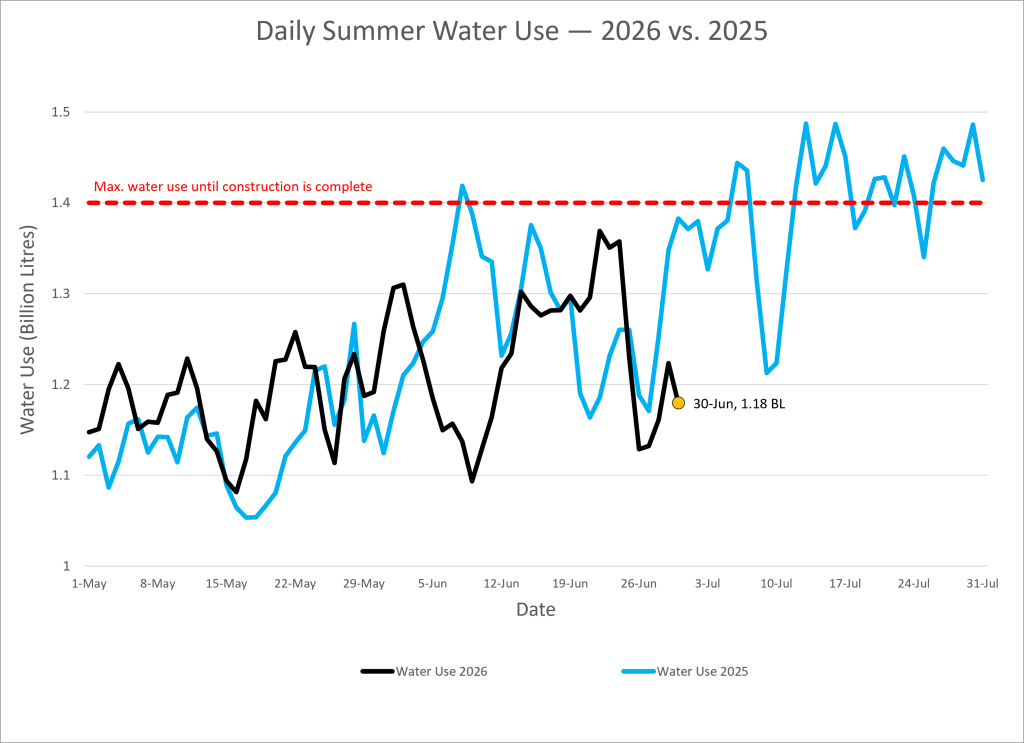
Water consumption has stayed below with 1.4-billion threshold so far, staying just under that mark during a June heat wave. Consumption in Coquitlam has averaged out to 178 litres per person per day – the lowest in the region.
Depending on weather and infrastructure work, Metro Vancouver could move back to Stage 2 restrictions at the end of July, according to the city’s general manager of engineering and public works Jaime Boan.
Coquitlam Lake project
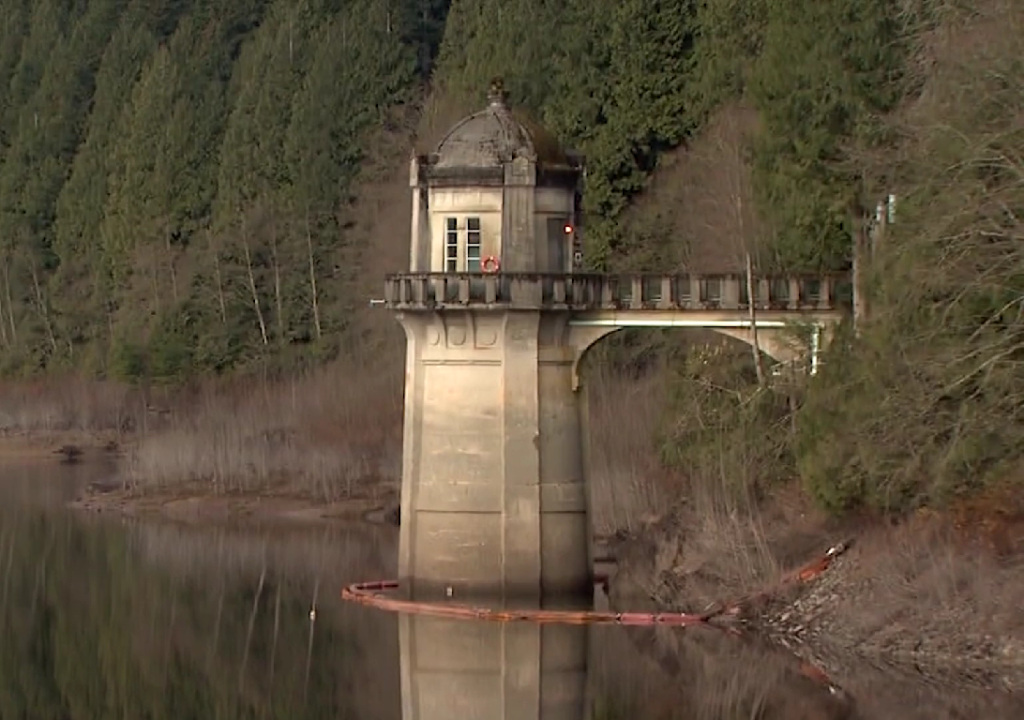
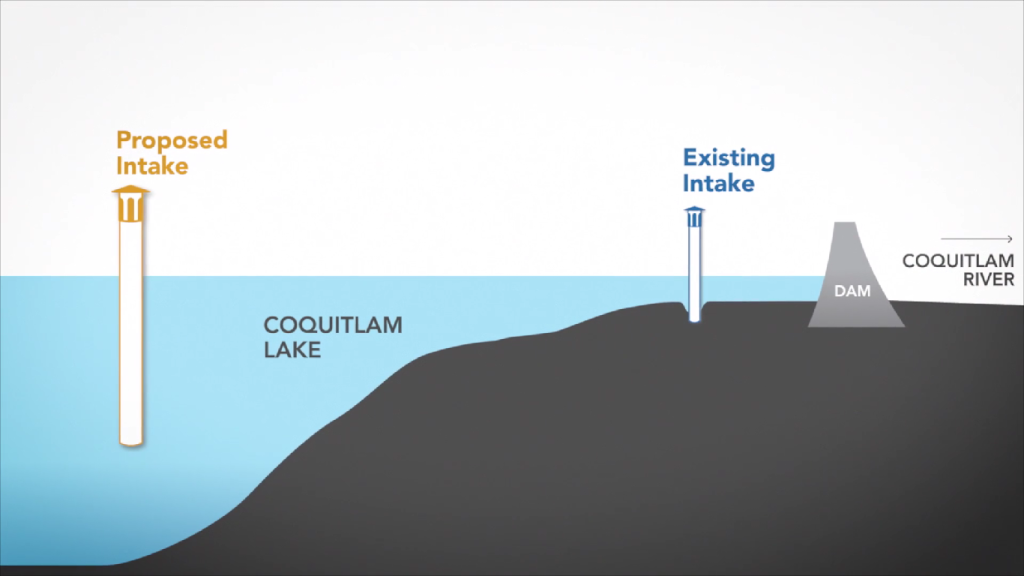
Set to be complete in the 2030s, the Coquitlam Lake expansion involves doubling the amount of water drawn from the lake.
The current intake is in a relatively shallow section of the lake. Putting the new, larger intake deeper should allow for more water to be pumped out and for that water to be of better quality, according to Metro Vancouver.
The lake currently supplies about 370 million litres of water per day – about one-third of the drinking water needed by the region’s 2.7 million residents.
In 2025, engineering company CIMA+ has agreed to a five-year, $17-million contract to manage the project.
Author