‘From honour roll to honestly baffled,’ Mayor reacts to Coquitlam being placed on provincial housing list
The province is set to assign a housing target to the City of Coquitlam – much to the puzzlement of Coquitlam Mayor Richard Stewart.
“Adding us to a list . . . is not going to get the housing units built,” Stewart said.
The new list is the latest evolution of what was previously dubbed the “naughty list” of municipalities judged by the province to be falling behind on housing approvals.
Local news that matters to you
No one covers the Tri-Cities like we do. But we need your help to keep our community journalism sustainable.
Coquitlam council has generally been approving about 6,000 housing units per year, the mayor noted. About a third of those units get built, with the rest waylaid due to financing problems or a developer waiting to apply for a development permit.
“There’s not much I can do,” Stewart said. “I’m not bringing my tool belt to work to get these projects going.”
Coquitlam has previously been lauded by senior levels of government for its work on housing.
“We’ve gone from honour roll to honestly baffled,” Stewart said.
The group of cities set to be given housing targets also includes Burnaby, Pitt Meadows, Richmond, and the Township of Langley. The inclusion of those cities is meant to show: “all communities, big and small, have a vital role to play in addressing the housing crisis,” according to a release from the province.
Housing Minister Ravi Kahlon stated he appreciated the cities in the new list are already making progress on building housing.
“Setting housing targets allows us to further align with our broader goals as a province,” Kahlon stated in a press release. “As we add new communities to the housing targets program to keep up with demand, we will continue to work together with municipalities to make sure more people can find homes that fit their needs and budgets.”
Putting cities like Coquitlam on the list allows the province work with municipalities, “that can deliver the greatest housing supply outcomes of those yet to receive targets,” according to a response from a ministry spokesperson.
The province’s evaluation includes initiatives and partnerships that “create the conditions needed to increase housing supply,” the spokesperson stated.
Coquitlam previously received $18.6 million through the province’s Growing Communities Fund to support the infrastructure necessary for new housing.
The announcement comes at a time when the development industry has largely ground to a halt, Stewart said.
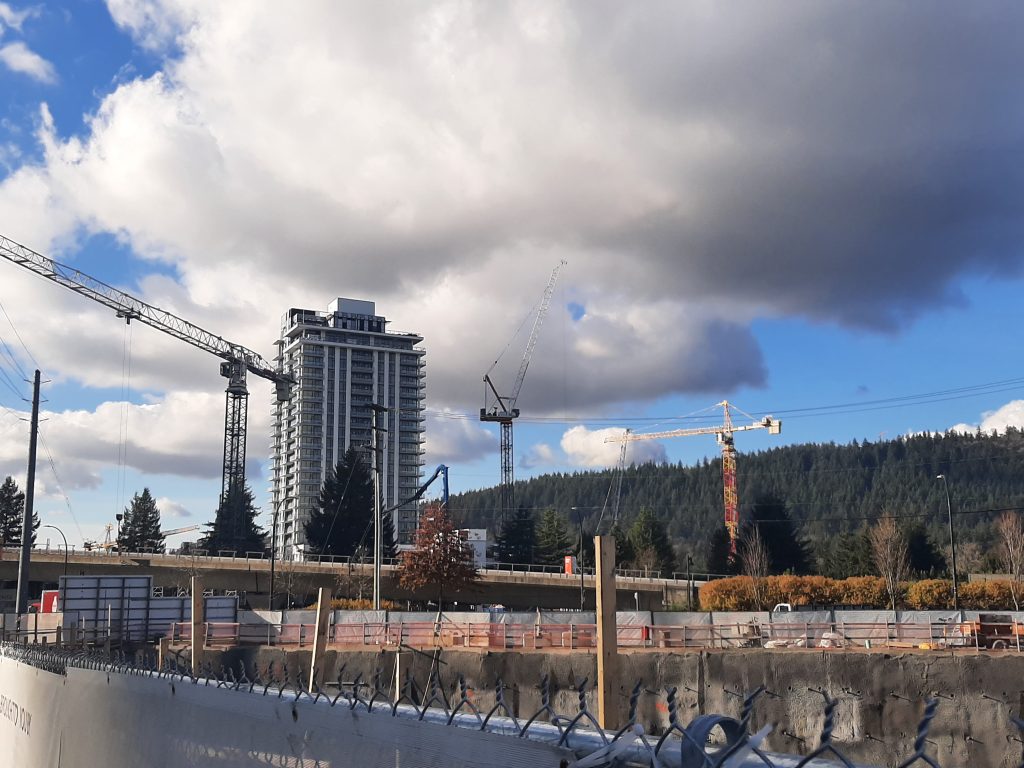
“Housing was my career and I can’t believe I’m now sitting in a corner office in city hall looking at cranes that aren’t moving.”
Stewart said he’s been invited to one groundbreaking this year. “Normally it’s one a week,” he added.
There are a host of factors that explain why the market is stagnant, including the impact of the tariffs.
“Some of that’s outside the province’s control,” Stewart acknowledged. “But all of it’s outside our control.”
Specific targets will be set following consultation, according to the province.
“I can’t see a positive to it,” Stewart said. “It’s going to cost our staff a bunch of time that they could be spending on trying to encourage development through other forms of incentive. Instead we’re going to be jumping through provincial hoops.”
The province hasn’t helped by making it harder for cities to incentivize below-market rental, Stewart added.
When developers sought height or density beyond what the city envisioned, municipalities could charge a density bonus fee, using that money to top up an affordable housing reserve fund and also pay for community needs ranging from rec centres to daycares.
However, standardized density around transit stations has taken away that incentive, Stewart said.
The density the city was using as an incentive has been given to developers. However, that means developers are having to pay more for their land.
While Stewart noted some municipalities were lagging on housing, the province implemented uniform rules establishing density in concentric circles around transit stations, including in communities that were already approving a lot of housing.
“If it ain’t broke,” Stewart said, “fix it until it is.”
Author