Port Moody approves provisional 5.71 percent property tax increase
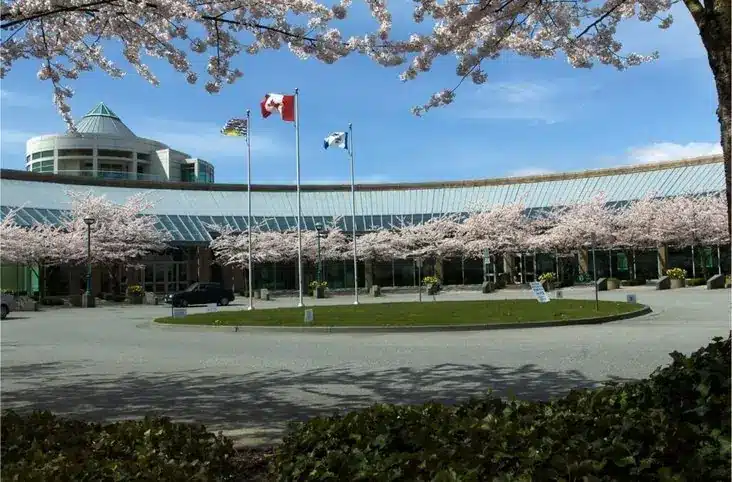
Port Moody council has been able to significantly whittle down its proposed property tax increase, approving a 5.71 percent bump for its provisional 2025 budget.
The interim figure was discussed at a finance committee meeting on Dec. 17, with council managing to slash around seven percent since budget deliberations began in October.
Mayor Meghan Lahti said this year’s budget came with challenges she’s never experienced in her 25 years in office, noting the consumer price index has risen nearly 14 percent since council took office.
Local news that matters to you
No one covers the Tri-Cities like we do. But we need your help to keep our community journalism sustainable.
“That is astronomical,” Lahti said. “It was really important to show our willingness to reduce the budget in areas that are priorities for us, because we are responding to the public’s desire to see a lower tax increase.”
Port Moody’s taxpayers have faced a combined 15.89 percent tax hike over the previous two budget cycles. Public frustration was reflected in this year’s budget consultations, with over half of respondents opposed to any increases in 2025.
Approximately 70 percent of the city’s $90 million budget is funded through taxation, with the city’s provisional budget adding an additional $3.3 million from last year, amounting to $167 more for the average household.
Staff’s initial tax proposal pitched a 10.85 percent when deliberations began, which council reduced to 8.52 percent following two workshops.
However, reductions in the BC Assessment roll and increased labour costs and benefits added another $1.25 million, bringing the figure back up to 10.3 percent.
Council has since made substantial cuts for a further $2.68 million reduction, or 4.59 percent.
This includes pausing the city’s Climate Action Levy for a year ($584,000); using accumulated surplus to fund community events, inclusionary initiatives and previously deferred items ($695,000); reducing various reverse transfers ($319,000); decreasing services levels ($317,000); budget reductions ($150,000); eliminating or phasing in new budget requests ($192,000); and adjusting sick-time and vacation benefits ($150,000).
The city has also recalculated the amount of revenue it expects from pay parking, recreation, filming, leasing and businesses licensing, adding $345,000.
Paul Rockwood, general manager of finance and technology, said “tough economic times require tough measures.”
He said the city significantly underestimated the amount of tax revenue it would bring in from new growth. Originally, staff expected to net an additional $584,000, but less than a quarter of that was realized.
“We had very minimal taxation growth this year,” Rockwood said. “But we are facing increased demand, internally and externally for a variety of services.”
Lahti said she’s seen a lot of public commentary regarding the lack of tax revenues from new growth, but cautioned it takes time before it shows up on the city’s balance sheet.
She said she anticipates more money will be realized after a new BC Assessment roll occurs in 2025.
“Hopefully next year will be a much more positive outcome for all the work that we’re putting in to provide housing,” Lahti said. “We want to see that translated into a reduction in our taxes, or at least some breathing room.”
Council was defensive regarding the recent budget increases, with some members taking aim at previous council’s decisions, social media chatter, and media reporting.
Coun. Kyla Knowles attacked what she described as “rampant misinformation and spin” on social media.
She said comparisons with the former council’s budgets were unfair, pointing to inflationary impacts, and budget reductions from in-person events and positions being cut during the COVID-19 pandemic.
Knowles also asserted the former council drained the growth-stabilization reserve, which added $400,00 annually to city coffers to help ease the loss of its industrial tax base.
“The previous council depleted it to their great benefit, and it’s a shame that it didn’t continue to get topped up as we went along,” Knowles said.
Couns. Callan Morrison and Samantha Agtarap both took issue with a Global News story, which ranked Port Moody’s initial 8.52 percent increase as the highest in the Lower Mainland.
Agtarap said such comparisons are inevitable, but argued it is not fair to compare Port Moody to municipalities with casinos, which receive 10 percent of their net revenues.
“For a community like Richmond, that’s over $12 million, and for Coquitlam, that’s almost $7 million (annually),” she said.
Coun. Diana Dilworth warned of continued instability in the coming years. “There’s not a lot of certainty that any local government has at this time,” she said.
She noted the Canadian dollar continues to drop, federal rebate cheques have been cancelled, and the entire political landscape could change by the next federal election.
Dilworth suggested the growth-stabilization reserve ought to be re-established, stating it was initially set up in the 1990s to help ease tax impacts.
Council voted to have staff report back with a strategic plan and policy to create a new reserve, dubbed by Lahti as the rate-stabilization reserve.
Port Moody has until May 15 to pass the official budget.
Author