Anmore rejects recommendation to scrap public input and question periods, but makes rules stricter
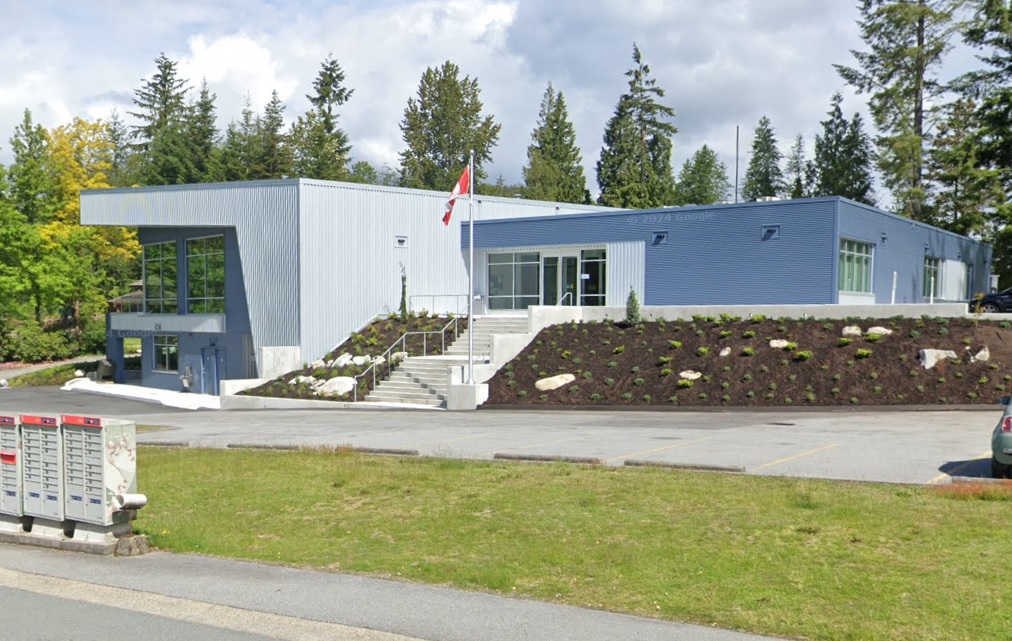
Anmore council rejected a staff recommendation to cut public input and question periods from their agendas, but they are adding some new restrictions.
Staff suggested the changes in a review of the village’s procedural bylaw at a committee meeting on Tuesday, but nearly all of council said they still saw value in allowing residents an opportunity to speak at the start of a public meeting.
“I think public input is very vital,” said Mayor John McEwen. “If people are going to come to a meeting, they’re going to take the time out of their day, they should be able to provide comments before council debates.”
Local news that matters to you
No one covers the Tri-Cities like we do. But we need your help to keep our community journalism sustainable.
The primary driver for slashing public participation in the meetings were legal risks associated with recent provincial housing legislation, according to Rhonda Schell, manager of corporate services
Bill 44 banned public hearings for development applications that are compliant with a municipality’s official community plan in order to speed up the development processes.
Staff conflated official public hearings with informal public input and question periods, and asserted the village would be opening itself up to potential lawsuits if a rezoning process was jeopardized by the impromptu comments from residents.
Schell said if residents tried to circumvent the public hearing ban, and a developer could show monetary losses, they could be sued.
Referencing the Open Meetings, Best Practices Guide of the BC Ombudsperson and the B.C. Community Charter, Schell said there is no legislative requirement mandating these forms of public participation.
“Nowhere does it mention public input,” she said, adding it “doesn’t offer an effective means of participation.”
Many municipalities are moving away from public input and question periods, prompted by the passing of Bill 44, according to Schell.
Staff said there numerous other forms of public engagement and ways to contact council, noting that council still had the authority to pass a motion to hear from a member of the public.
They recommended both public input and question period be replaced by a policy to handle correspondence and broad public consultation.
Coun. Doug Richardson said the absence of public input being cited in official guides and laws does not justify scrapping them, adding most municipalities still use them.
He was also skeptical of the legal risks, stating the provincial legislation is clearly defined, and it would be easy to control public comment at meetings.
Conversely, Richardson said he believes public input should be strengthened and reintroduced to committee meetings.
“I’m absolutely against this,” he said. “I think it should be enshrined.”
Coun. Paul Weverink agreed, stating that as a small village, public input is an important part of democracy.
“There’s something about standing up in front of council and having your say,” Weverink said. “I’ve always said to people, ‘If you have an issue, if you have a question, come to the council and ask.’”
Staff, however, said that despite policies in place regarding keeping comments focused on agenda items and respectful communication, the rules are often not followed.
While Coun. Kim Trowbridge was in favour of keeping public input, he said it needs to be “reined in” with stricter rules.
Over the last decade, he said it has often been used as a tool to pontificate, or attack councillors and staff.
“All of that stuff is a colossal waste of residents’ time and council’s time,” Trowbridge said. “We’ve been too soft on that.”
Trowbridge also said he was concerned about legal liabilities, as the village would not be able to afford a lawsuit.
Question period, on the other hand, was generally recognized as being in need of reform.
Staff and council agreed it is widely abused by certain members of the public, who frequently cloak longwinded opinions with a small question at the end.
Coun. Polly Krier said many of these questions are illegitimate, and it often ends council meetings on a “low note.”
“It’s embarrassing for the person that’s up there, it’s embarrassing for the village,” Krier said.
Mayor McEwen described some of the questions as “ridiculous,” recalling one resident questioning why his wife was flying to China.
“Enough is enough,” he said. “I’m the mayor of this village. Why are you talking about my wife or my family?”
Many of the questions are also directed at staff, who are often unprepared to answer offhand, added Anmore’s CAO Karen Elrick.
Trowbridge said the questions that are well-thought out, required research, or are technical in nature, are almost always asked by email rather than the public forum.
Council agreed to add certain parameters around question period.
Members of the public will ask the question directly to council with no preamble; if further context is needed, council can ask follow up questions of the speaker. Additionally, if a question is asked of staff, they will follow up after the meeting.
Question period will be limited to 15 minutes, with an option for council to vote for 15 minute extension if needed.
Author