Port Moody backs Coquitlam’s callout of province over lack of supportive housing resources
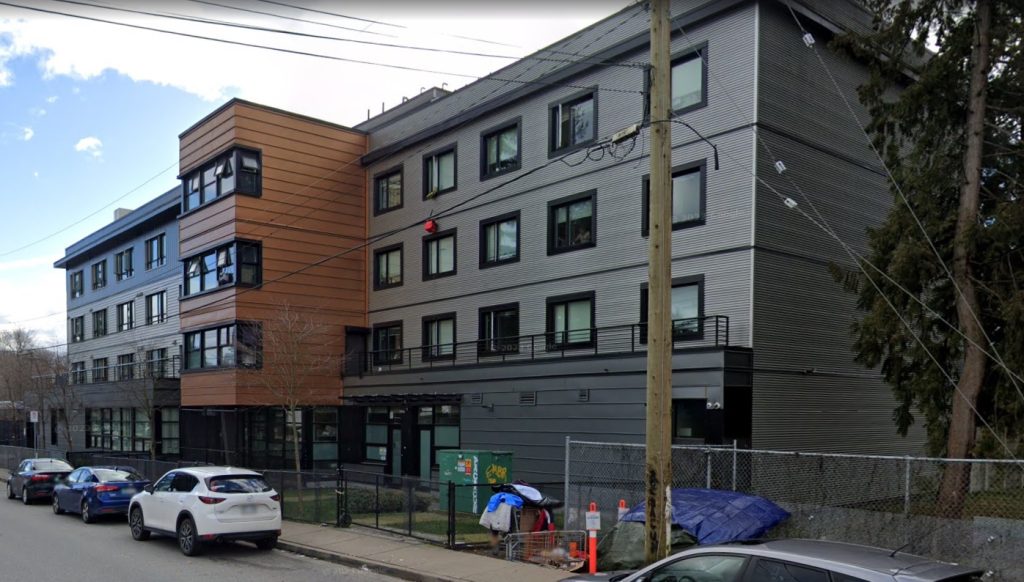
Port Moody is backing Coquitlam’s callout of senior levels of government over a lack of resources for supportive housing and homelessness services.
On July 17, Port Moody council voted unanimously to have Mayor Meghan Lahti send a letter to the BC Housing, responsible provincial and federal ministries, and local Tri-Cities’ MLAs and MPs expressing support for Coquitlam’s request for a coordinated regional approach to address the issue at the homeless shelter.
The letter calls for securing more additional supportive housing, seniors housing, mental health and substance use services, and a more organized and thought-out way to deliver outreach services.
Local news that matters to you
No one covers the Tri-Cities like we do. But we need your help to keep our community journalism sustainable.
“I don’t want to downplay the importance of a united voice on this issue,” Lahti said. “It sends a signal that we are wanting to have a conversation with our neighbours.”
Coquitlam’s shelter at 3030 Gordon Ave. is draining city resources, and city council is losing confidence in its operator, RainCity Housing, along with the province.
An independent report last summer said there is frequent drug use, vandalism and threats at the shelter, staff turnover and dwindling public trust.
Combined, Coquitlam RCMP and Coquitlam Fire and Rescue responded to more than 800 incidents at and around the shelter in 2023, and city bylaw officers visit the site daily to address issues like unauthorized encampments and illegal dumping.
Port Moody’s letter will highlight the growing issue of homelessness in the Tri-Cities, the decrease in shelter spaces, including emergency weather shelters and supportive housing, and significant support gaps.
It requests “concrete support and commitment from the province and BC Housing to fulfill their primary mandate and responsibilities.”
Coun. Amy Lubik pointed out the number of homeless people in the Tri-Cities grew by 86 percent between 2020 and 2023, adding that figure is likely an undercount as it does not include people in precarious housing situations, or those who chose not to participate in the homeless count survey.
She said the province needs to come to the table with immediate and long-term solutions.
“This is a growing problem in the Tri-Cities. I know that council has been working really hard to advocate to the province, but obviously, we’re not seeing anything happen,” Lubik said.
The facility on Gordon Avenue was completed in 2015 as the first purpose-built homeless shelter in the Tri-Cities, but its services appears to have become overwhelmed in recent years.
Several Port Moody and Coquitlam councillors spoke about diminishing resources available locally.
Earlier this year, a temporary expansion shelter at the SureStay hotel in Coquitlam closed, resulting in the loss of 30 shelter units; funding cuts resulted in the loss of two outreach workers in Port Moody; and Progressive Housing Society lacked the funds to pay another two outreach workers until winter.
Lahti said Port Moody will be hosting a meeting with its neighbouring Tri-Cities’ city council in the fall, and they need to be advocating for the needs of each municipality.
Coun. Callan Morrison said council needs to have a conversation about what resources Port Moody is willing to commit, especially if they are pushing for solutions.
“Where are we going to suggest property or land or space to provide more housing?” Morrison said. “If we don’t have the space to do it ourselves, it’s calling on somebody to solve something, without providing help with it ourselves.”
Coun. Haven Lurbiecki agreed, stating there are “intersecting considerations” around Port Moody’s land-use decisions and its official community plan. She criticized council for “making decisions that don’t help,” referring to approvals of development projects with no below-market housing units.
Lubik said that if Port Moody wants a regional approach, it has to be willing to secure shelter housing, whether on its own land or by partnering with developers.
Author