‘Some accused die in custody’ Lack of resources, limited space at Red Fish Healing Centre puts pressure on Coquitlam psychiatric hospital
Amid worsening addiction and mental health crises, a dearth of supports is leading to a bottleneck at the province’s only forensic psychiatric hospital, according to a recently released report from B.C. Review Board.
The board generally oversees cases in which an accused person is either unfit to stand trial or found not criminally responsible due to a mental disorder.
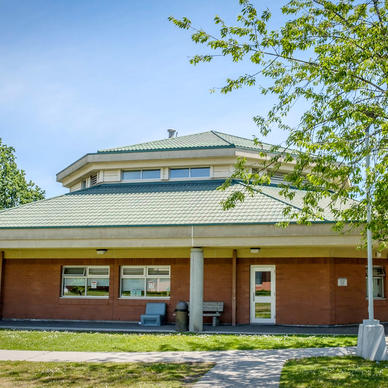
The accused, many of whom are housed at Forensic Psychiatric Hospital on Colony Farm Road in Coquitlam, are often suffering a major mental disorder as well as addiction to drugs like fentanyl, benzodiazepines and methamphetamines. Many are also living with a brain injury or neurodevelopmental disorder, according to the report.
Local news that matters to you
No one covers the Tri-Cities like we do. But we need your help to keep our community journalism sustainable.
Amid a significant increase of people accused of serious crimes including murder and sexual assault, the board’s ability to discharge patients out of the Coquitlam facility has been hindered.
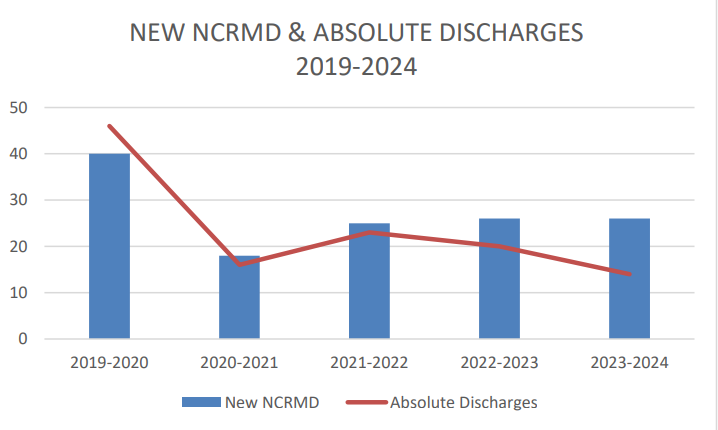
The board discharged 14 accused people in the 2023/24 fiscal year – the fewest in the past five years.
“Concerningly, the board is increasingly hearing matters where an accused person could be safely discharged to the community if there were adequate community resources to meet their needs,” stated board chair Brenda L. Edwards.
However, the board is finding a lack of community resources while navigating an influx of “significantly ill and dangerous new accused persons,” who are being deferred to the board from courts across the province.
“More and more facilities are declining to accept forensic patients,” Edwards noted, explaining that the board can’t discharge people without the services they need to manage their risks.
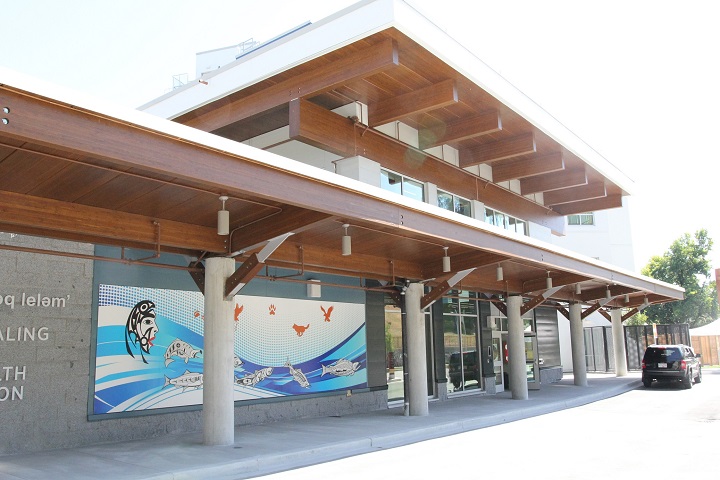
The board heard evidence that two facilities, including the Red Fish Healing Centre, are no longer accepting forensic patients.
The issue is compounded by the anticipated closure by a supportive residence, according to the report.
“The result is that the Forensic Psychiatric Hospital is under constant pressure,” the report stated.
That pressure has resulted in some patients staying at Coquitlam’s Forensic Psychiatric Hospital for decades.
“Some accused die in custody, other aging accused persons require long term care,” the report stated.
There is an obvious solution, Edwards stated: “A second forensic psychiatric hospital.”
Ontario has approximately one forensic psychiatric hospital for every 1.4 million residents while British Columbia has one hospital for 5.6 million people, the report stated.
The situation is unlikely to improve without a “significant injection of funding,” Edwards wrote.
“More secure hospital beds are needed for forensic patients at the acute, tertiary and long-term ends of the spectrum. Similarly, more residential substance use and housing options must be provided if the board and the province are to meet their respective obligations for public safety and accountability,” the report stated.
The review board generally consists of a judge, a psychiatrist, as well as board members who have a background in mental health, medicine, social work or criminology.
Author