Provincial policy jeopardizes municipal project funding, says Coquitlam mayor
B.C.’s housing minister says Coquitlam will still be able to fund projects with new finance tools
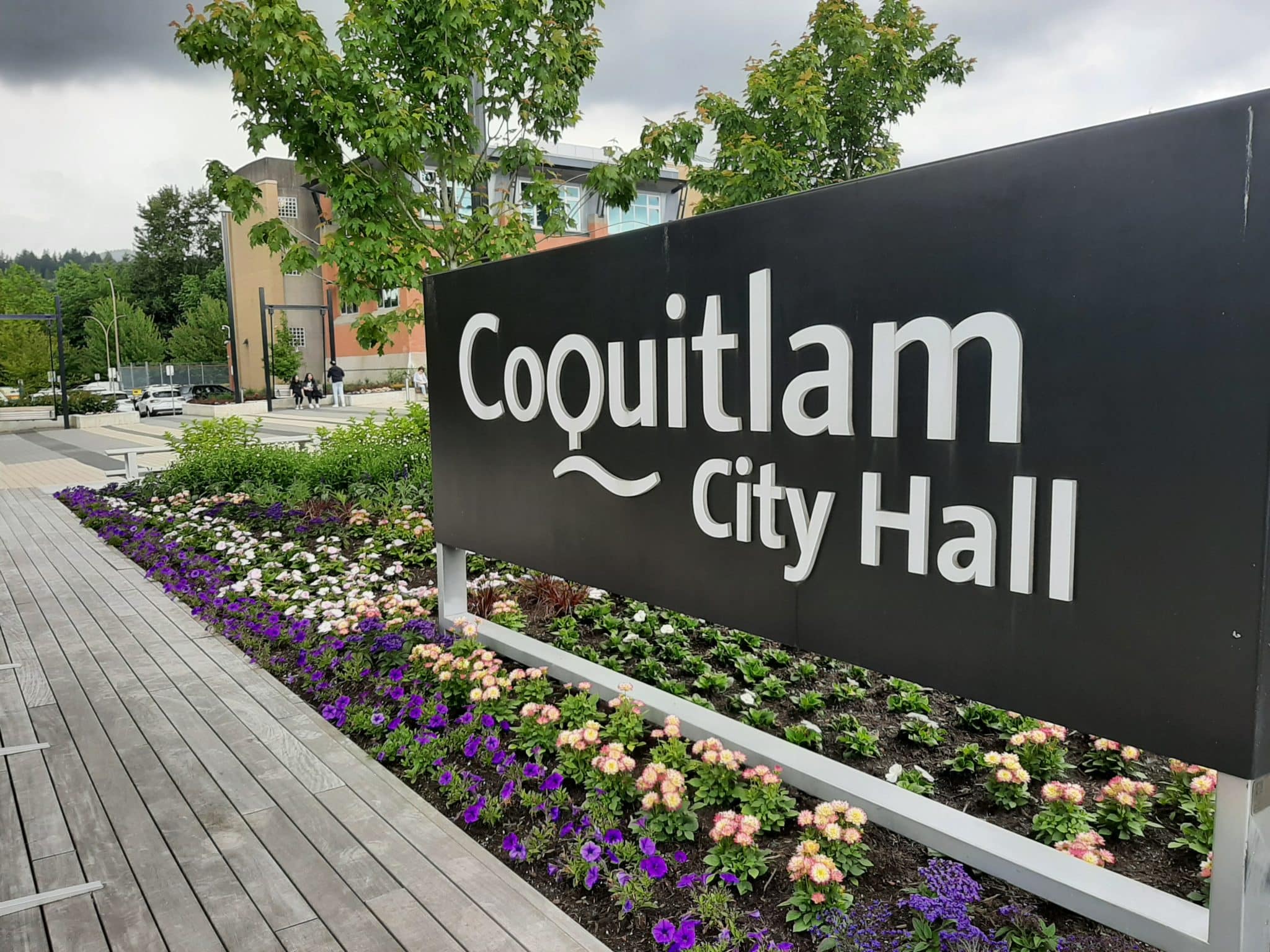
Municipal amenities like rec centres will be harder to fund due to the province’s new housing rules, according to Coquitlam Mayor Richard Stewart.
“The province has taken away the tools that would allow us to do a lot of these projects, at least to do them in advance,” Stewart told the Dispatch.
This comes after the B.C. government mandated Coquitlam and other municipalities to approve Transit Oriented Areas, a housing policy that increases density around eight major transit hubs in the city. The minimum height is now up to 20 storeys.
Local news that matters to you
No one covers the Tri-Cities like we do. But we need your help to keep our community journalism sustainable.
Coquitlam previously relied on developers paying Community Amenity Contributions (CAC) for new amenities. The city also relied on developers paying for additional density — called bonus density — to build things like below-market rental units or childcare facilities. Both Mayor Stewart and Gorana Cabral, Coquitlam’s director of finance, said they are concerned about changes to these tools.
Community Amenity Contributions to Amenity Cost Charges
Instead of CACs, developers now pay Amenity Cost Charges (ACC). The difference between the two, according to Stewart, is that CAC was a single fund they could use to pay for different projects. But with ACCs, the city has less leeway.
“And so that amenity can’t go ahead until all of the projects under it go ahead. And if one of the projects gets canceled, we end up — well, that rec centre doesn’t get built,” he said.
In an email, Cabral told the Dispatch that CACs provided a “degree of certainty in cash flow,” so council can make capital funding decisions and advance community amenities.
She explained that density bonus and development cost charges (when new developments pay for additional city infrastructure, like sewer or roads) also help with this certainty. These two tools still exist, but she said that ACCs and changes to bonus density “have disrupted” their cash flow certainty.
But Ravi Kahlon, B.C.’s minister of housing, said the purpose of these changes was to “create more certainty for everyone.”
“It ensures that money that is being collected for amenities must go to amenities,” he said.
ACCs were designed to make the costs to developers transparent. With CACs, some municipalities negotiated amenity payments with each developer, rather than having a set rate.
With ACCs, each municipality must set a standard payment formula — something that Mayor Stewart pointed out Coquitlam already had.
Bonus Density
Mayor Stewart said he is also concerned about changes to bonus density, a finance tool where municipalities let developers build more units if they agree to fund things like affordable housing.
While Stewart said Coquitlam can no longer collect bonus density from developers, it is still a tool available for municipalities. But with increased density minimums, there might still be fewer funds than there used to be.
“The province essentially has given developers an enormous windfall profit on the land that they own. Because they bought it knowing they would have to build something else for the city, in order to get the additional density,” Stewart said.
“Now they just got the additional density for free, and the city is left without the ability to incentivize . . . below market rental housing and childcare spaces.”
Tax payers
Stewart said that if they don’t get as much funding from developers, the alternative is to impose a higher property tax on the rest of Coquitlam to accommodate its growing population.
Andrey Pavlov, a finance professor at Simon Fraser University, said this likely wouldn’t come without resistance from Cqouitlam’s taxpayers. “I suspect most of these community projects are not going to happen, because the resistance to higher taxes and density at the same time is going to be pretty substantial.”
He added that he thinks the additional rules and regulations the province might impose on the new funds is a problem for cities.
“When you micromanage municipalities and other entities, what happens is that people just stop doing things,” Pavlov said. “Instead of speeding up the process, you slow it down.”
But Minister Kahlon said that the B.C. government has given Coquitlam $18 million to support its amenities. He added that municipalities could still get the same amount of amenity funding as before.
“They have to do a bit of analysis to ensure that they’re not putting the charges so high that nothing gets built. And they’re going to have to find that balance.”