Port Coquitlam requires 15,000+ new housing units by 2041: report
A housing needs report says city needs to triple the number of houses it builds per year to keep up with population growth, other factors

Port Coquitlam needs more than 15,000 new housing units by 2041.
However, reaching that mark would mean almost tripling the city’s rate of housing approvals, according to the housing needs report discussed during a special committee of council meeting Tuesday.
Port Coquitlam — a city that has grown at a slightly slower rate than the rest of Metro Vancouver — requires 15,249 units over the next 16 years to reduce homelessness, eliminate suppressed households, and increase rental vacancy rates.
Local news that matters to you
No one covers the Tri-Cities like we do. But we need your help to keep our community journalism sustainable.
The city’s vacancy rate currently sits at 0.2 percent.
Within the next five years, specifically, Port Coquitlam needs to build 4,727 units, equating to roughly 945 units per year. The figure roughly triples the amount of housing units (331) that have been annually built in Port Coquitlam between 2013 and 2023.
“Twenty years, 15,000 some units, that’s quite a lot,” said Coun. Nancy McCurrach. “Our city is definitely going to change in its looks.”
Couns. Darrell Penner and McCurrach said the city should prioritize new rental units for seniors, specifically.
“That’s one of the areas we really need to concentrate on,” Penner said. “I think we need to do a lot more of that — find partners that will help us expand options, especially subsidized options for seniors.”
Seniors represent a growing number of Port Coquitlam residents in need of housing. Among renters aged 85 and older in Port Coquitlam, 76 percent are in core housing need, a term that defines residents who have homes in need of major repairs, don’t have enough bedrooms, or cost 30 percent or more of their pre-tax income. Half of single mothers, and roughly one third of people with physical or mental health limitations, who rent in the city are also under the core hosing need category.
In 2021, prior to the release of the city’s initial housing needs report, 12.8 percent of Port Coquitlam households were in core housing need.
The latest report found a similar number of residents in core housing need. But a significant number of renters (27.5 percent) landed in that category compared to homeowners (8.4 percent).
“This reflects the few number of renter households in the community and the greater sensitivity of renters to housing supply and affordability,” stated the report, which was completed by Urban Matters, a consulting agency.
To cope with the discrepancy between rental users and homeowners, Port Coquitlam must target new rental units.
Among the projected 4,727 units that are needed over the next five years, more than half should be allocated toward both affordable rental units (1,004) and market rental units (1,784), according to the report. Another 264 independent and supportive housing units are needed to address homelessness in that time.
The new housing target surpasses the amount of housing projected for Port Coquitlam in the city’s last housing needs report, which was published in 2022. In that report, Port Coquitlam was estimated to need 3,740 new homeownership units and 1,760 rental units over the next 10 years; or roughly 550 new units per year.
Staff said the increase was due to the inclusion of new data that wasn’t required in the previous report, and new methodology that produced higher estimates.
The new methodology includes updated 20-year population growth projections, the estimated number of units to reach a vacancy rate of three percent by 2041, and permanent housing units for precariously housed folks, among other details.
The methodology, standardized across the province, is backed by the Ministry of Housing and based on broad growth assumptions.
Port Coquitlam grew by 4.9 percent from 2016 to 2021, rising from about 58,600 residents to just under 61,500. In comparison, the regional growth of Metro Vancouver was 7.3 percent over the same timeframe.
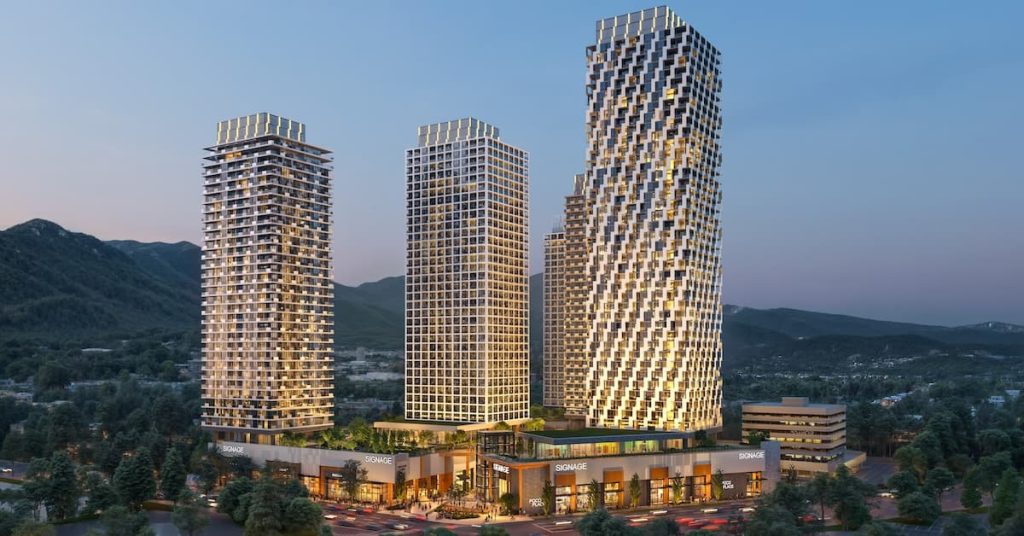
The release of the new housing needs reports comes a couple weeks after Vancouver-based developer Wesbild announced plans to build a six-tower, 2,000 unit development at Lougheed Highway and Westwood Street.
The Wesbild application includes two rental buildings, and one highrise that would include market and non-market rental units.
The project was called “the largest and most complex application ever submitted to the city,” according to Bruce Irvine, the city’s director of development services. If approved, Port Coquitlam could issue development permits for the first phase of the project by late-2026, with construction ramping up the year after.
Ultimately, the findings from the latest housing needs report will be used to help the city plan its updated Official Community Plan (OCP).
The new OCP must be approved by Dec. 31, 2025.
Author