Port Coquitlam approves 30% sewer levy hike for 2025
Handling of the Northshore Waste Water Treatment plan is driving up costs for Port Coquitlam residents
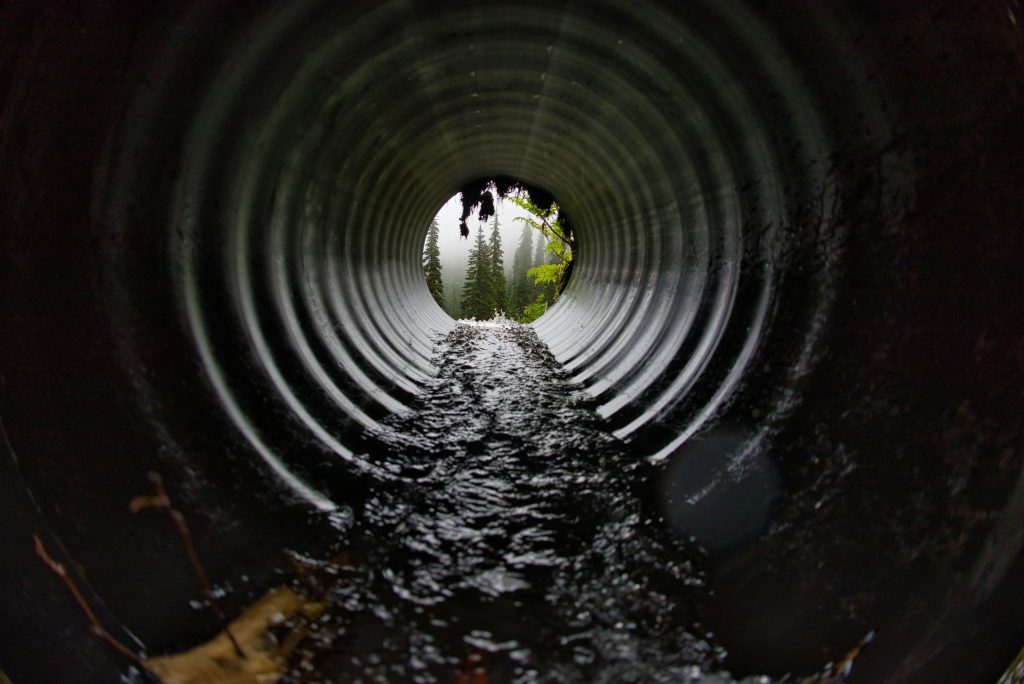
It’s going to cost a lot more to flush the toilet in Port Coquitlam.
City council approved a 30.98 percent sewer rate increase Tuesday, raising the sewer levy by $122 for the average homeowner. Including a 7.1 percent increase for water, the average household is set to pay a total of $1,044 for water and sewer in 2025.
The increase was largely driven by Metro Vancouver’s North Shore Waste Water Treatment project, a plan that has been in the works since 2012 and has exceeded its original budget by approximately three billion dollars.
Local news that matters to you
No one covers the Tri-Cities like we do. But we need your help to keep our community journalism sustainable.
The overruns will cost $84 per Port Coquitlam household this year, according to city staff. The 30 percent increase is the highest sewer hike in the Tri-Cities.
Port Moody is preparing to raise sewer rates by 29.47 percent in 2025. Coquitlam residents are set to pay 16 percent more for sewer and drainage this year.
Coquitlam’s hike covered both sewer and drainage. The increase would have reached 20 percent if the city didn’t use contingency funds to lessen the impact, according to Mayor Richard Stewart.
Burnaby, like Coquitlam, used reserves to lower its sewer rate increase from nearly 50 percent to 20 percent. Meanwhile, Vancouver slapped a 37 percent increase on its residents last month.
“The increases from Metro Vancouver are incredibly troubling,” said Mayor Brad West at a committee of council meeting Tuesday.
“There’s a lot to be said about some of the decisions made early on in that project that set it on a course that we now find ourselves [on] where households right across the region are seeing very significant bumps to their rates.”
The North Shore plant is 99 percent responsible for the sewer levy increase in Port Coquitlam. The city bears one percent of the increase — equating to a roughly $7 change to the levy.

In 2024, Port Coquitlam residents contributed $123.79 to the then-$395.75 sewer levy. They’ll now make up $131.57 of the $518.37 levy set for 2025.
West, who previously supported the notion of being “neighbourly” towards the North Shore, expressed frustration at the hike while noting that Port Coquitlam still has one of the lowest sewer rates in the region. (The 2025 sewer rates for a single-family homeowner in Port Moody is $637. Coquitlam residents pay $636 for sewer fees this year.)
“We’re doing a good job controlling our costs. I’m disappointed that much of that good work gets erased for our residents,” West said.

He also supported an independent inquiry in the North Shore project, a move that other local politicians have supported over the past year.
Property owners should expect to see the fees in the mail by the end of next month. Payments are due on Mar. 31.
Port Coquitlam has set aside $1.9 million for sewer-related projects. The funds will go towards replacing or enhancing utility infrastructure like pipes, pumps, and valves. Contributions will also cover major repairs that are not part of regular operations.
The plant
Jeffrey Lovell, Port Coquitlam’s director of finance, said the large jump in sewer costs from 2024 to 2025 is likely to be an anomaly. The year-over-year rise will make up most of the costs associated with the North Shore Wastewater Treatment Plant, with the city expecting costs to stabilize around five percent annually going forward.
“We look forward to seeing that come to fruition,” he said.
Once complete, the $3.86 billion facility — originally estimated to cost $700 million — is expected serve over 300,000 residents on the North Shore and Squamish and Tsleil-Waututh nations.
Last year, Metro Vancouver’s board of directors agreed to have North Shore residents take on 37 percent of the project’s extra costs, while other areas assumed 63 percent.
The plan saved North Shore residents from paying an extra $725 levy to its sewer rate for 30 years. To compensate for the difference, homeowners in the three other areas will fork over extra cash for 15 years. Residents in the Vancouver, Fraser, and Lulu Island areas will pay an extra $150, $90, and $80 respectively per year.
PoCo seniors looking for rebate
The number of Port Coquitlam seniors seeking a discount on utility fees reached a five-year high in 2024.
The discount — a 50 per cent reduction for low-income seniors making less than $29,632 annually — was given to 333 people last year, an increase of 71 people compared to 2022. The city spent $143,802 on the initiative in 2024.
Eligibility for 2025 was based on the individual’s 2023 Revenue Canada Notice of Assessment. Statistics Canada no longer publishes the low-income threshold, so future requirements will be based on the agency’s Consumer Price Index (CPI) for Vancouver.
The CPI rise was 3.2 percent in Vancouver as of December 2024, setting the future eligibility threshold at $30,580 per person or $38,074 per household.
Author