‘Blank cheque legislation’ Port Coquitlam scrambles to adapt to province’s new housing rules
It could mean a change to what Port Coquitlam looks like, what city hall does and how they do it.
Bruce Irvine, the city’s director of development services, recently gave a lengthy presentation to city council that outlined the ramifications – and possible unintended consequences – of the province’s new legislation designed to remedy the housing affordability crisis.
“The province has basically declared an upzone for anything around transit,” Irvine explained.
Local news that matters to you
No one covers the Tri-Cities like we do. But we need your help to keep our community journalism sustainable.
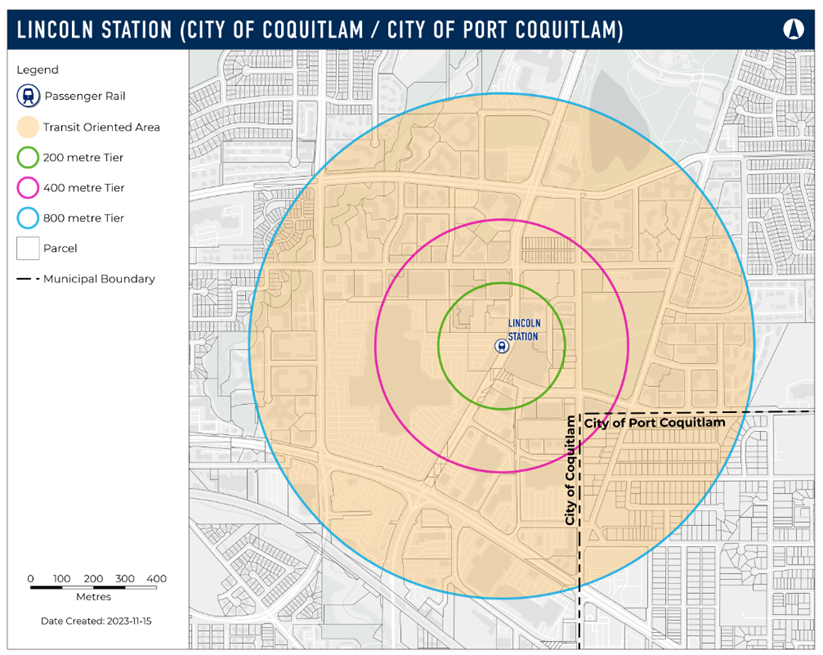
While Port Coquitlam doesn’t have a SkyTrain, portions of the city are close enough to Lincoln and Coquitlam Centre stations to warrant buildings that would be at least eight storeys and, in a few cases, possibly 12 storeys.
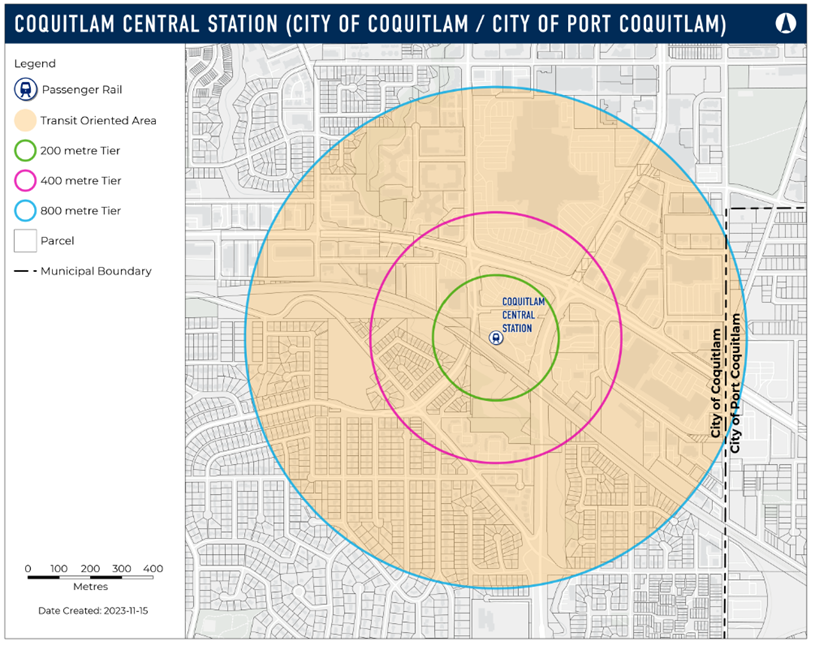
Precise boundary lines around SkyTrain stations have not yet been established, according to city staff. In terms of Coquitlam Central station, that density will likely only apply to a narrow swath of the western side of the city. For Lincoln Station, the city’s portion includes a section of Woodland Drive and the streets directly east between the highway and Lincoln Avenue.
The West Coast Express station is likely also included, according to city staff, possibly meaning eight-storey buildings around Elgin and McCallister avenues, as well as Mary Hill Road.
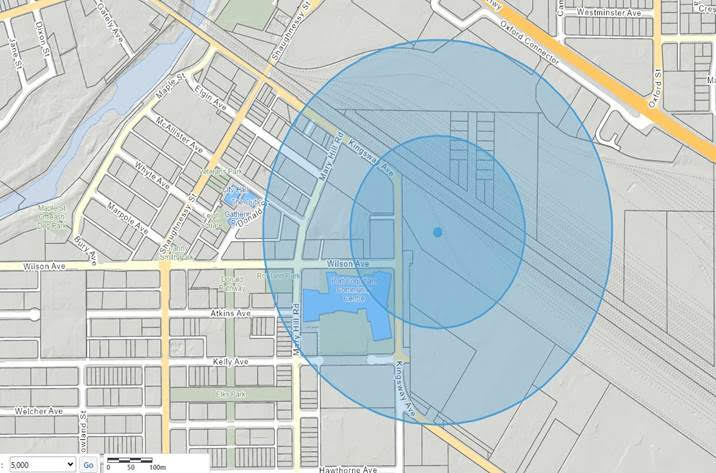
The province’s plan includes putting the biggest buildings near transit hubs, with height and density declining in successive tiers as the developments get farther from the central point.
“If a parcel touches a tier, the entire parcel applies,” Irvine explained.
“There are still some details we need to understand, like, what if a developer wants to do less? We don’t know the answer to that,” Irvine told council.
Having minimum building heights mandated by the province greatly changes the dynamic of how the city negotiates with developers.
Previously, staff would follow council’s direction and potentially allow greater height or density in exchange for affordable housing units or city needs like daycare.
“We used parking concessions as a very significant lever in that negotiation,” Irvine said. “That’s really off the table now.”
Developers can now set parking requirements.
“Council, you are restricted to say ‘no’ to parking,” Irvine said. “I think our community is going to take some time to adjust to that.”
It’s a lot
Single-family lots in the city will be permitted to have between three and six units, depending on the size of the lot and its proximity to transit.
Upsetting established neighbourhoods is “irresponsible” of the provincial government, according to Coun. Dean Washington.
“People pay a premium to live in a single-family house,” Washington said, adding that putting fourplexes into an established neighbourhood: “bothers me to the core.”
Those rules could mean fewer new townhouses, as those developments were often reliant on land assemblies, Irvine reasoned.
“Generally now, the need for assembly is kind of gone. You could just do a fourplex or another fourplex.”
That extra density could necessitate an infrastructure gap analysis, Irvine said, suggesting a situation where several neighbouring homeowners convert their properties to fourplexes in an area with limited sewer pipes.
‘A new era’
While some of the legislation makes sense, other elements raise concerns, said Mayor Brad West, who noted the province was entering “a new era.”
There is still a great deal to be explained, he said.
“The answer to so many valid questions is: ‘Well, we’re still figuring that out.’ That doesn’t build a lot of confidence,” he said. “If you’re concerned about this, you need to let our MLA know.”
Extra growth would add to a strain on infrastructure as well as city resources as planning departments across the province scramble to keep up.
“This is them saying: you deal with the consequences of our decisions,” West said.
While the presentation was largely about the details of the new legislation, Irvine voiced his displeasure at the way the legislation was enacted.
“The province is asking cities to bear a tremendous amount of the responsibility to make growth happen, and yet we were not consulted on any of these changes,” he said.
Irvine called the bills: “blank cheque legislation.”
“I expect that they will be probably constantly refining,” he said.
Given the development industry’s distaste for uncertainty, Irvine predicted fewer development applications in the immediate future.
“I think we’re going to all see, across Metro Vancouver, a considerable slowdown in applications for the next six months. That is going to be an unintended consequence of this change,” he said. “It’s going to be very interesting times for the planning world for the next 18 months,” Irvine said.
On the list
Port Coquitlam is one of 47 B.C. municipalities that has been warned they could be put under a housing order.
An order could involve minimum housing growth, fast-tracking residential applications and provincial review.
Author