Lack of land acknowledgement at PoCo council meetings due to litigation, explains mayor
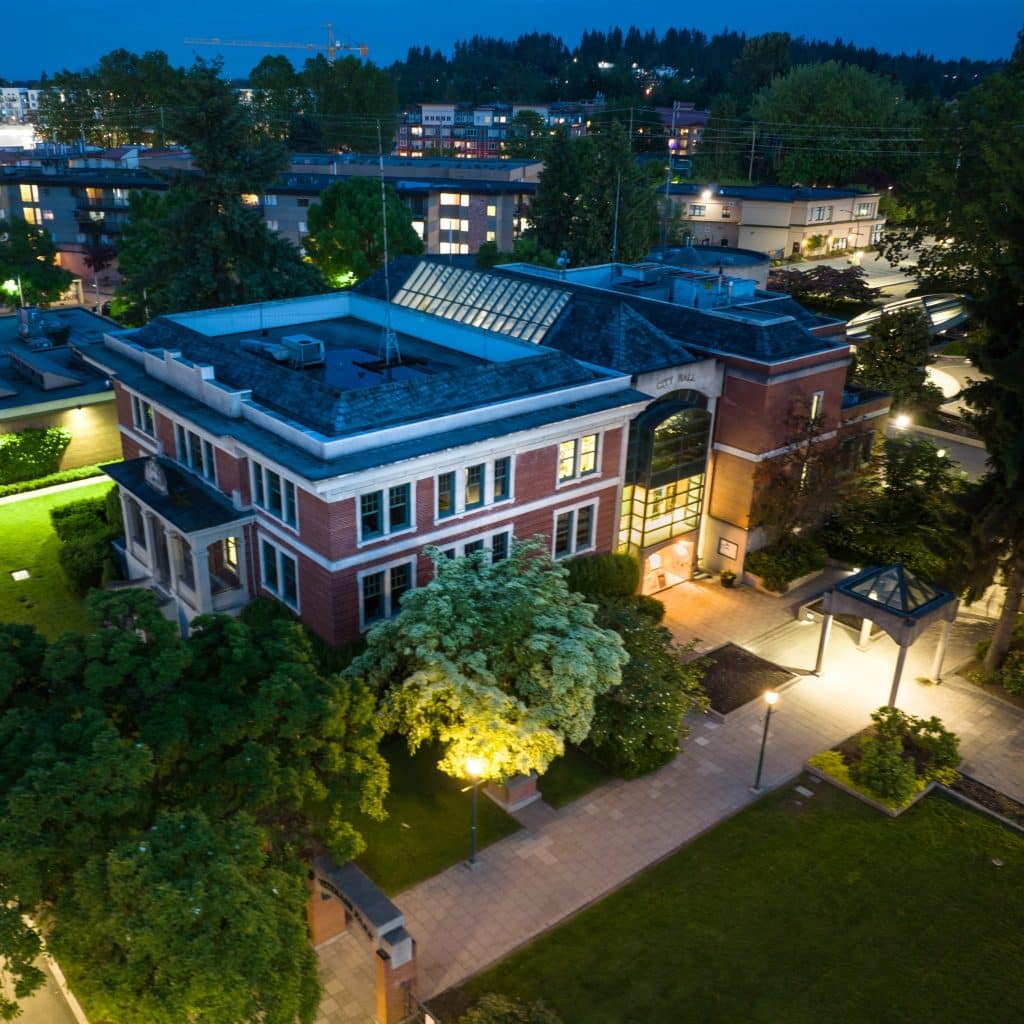
Until there’s some resolution to the ongoing litigation between Port Coquitlam and the Kwikwetlem First Nation, there likely won’t be a land acknowledgment before council meetings, explained Mayor Brad West.
Resident Judy Johnson asked West about the city’s lack of acknowledgment during a council meeting earlier this summer.
Every Coquitlam council meeting begins with an acknowledgment of the traditional territory of the Kwikwetlem First Nation.
Local news that matters to you
No one covers the Tri-Cities like we do. But we need your help to keep our community journalism sustainable.
Mayor Richard Stewart then expresses gratitude and respect that that the name Coquitlam was derived from the hən̓ q̓ əmin̓ əm̓ word Kwikwetlem, meaning “red fish up the river.”
In Port Moody, meetings begin with Mayor Meghan Lahti acknowledging the city carries out business, “on the ancestral and unceded homelands of the Kwikwetlem, Tsleil-Waututh, Musqueam, Squamish, Katzie, Kwantlen, Qayqayt, and Sto:lo peoples.
In Port Coquitlam, meetings begin with West issuing a call to order.
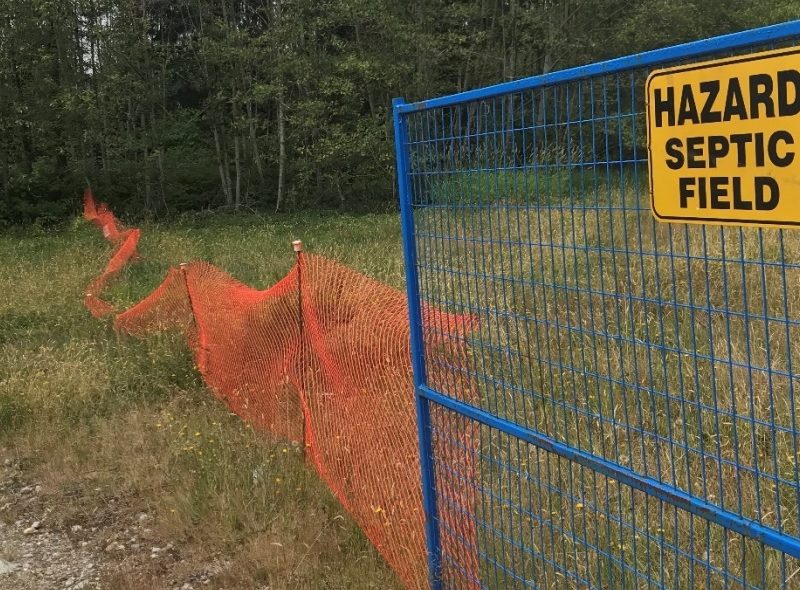
“It is unfortunate, but the city is involved in a litigation between the city and the Kwikwetlem First Nation,” he said, noting the issue arose before he was elected mayor. “This process has a number of legal implications to it and it’s not a secret at all that the title claim is on city-owned, fee-simple property including Gates Park and the South Shaughnessy lands.”
The nation filed a lawsuit in 2016 against Port Coquitlam, the province, Metro Vancouver and B.C. Housing.
The suit is “related to our claim of Aboriginal rights and title in our territory,” explained Kwikwetlem First Nation Chief Ron Giesbrecht.
Confidential negotiations are ongoing, Giesbrecht added.
The situation will “hopefully” be resolved without going to court, West said.
But while litigation impacts some of the things the city can do, West said Port Coquitlam was engaging “like never before” on partnerships with the Kwikwetlem First Nation and examining what reconciliation looks like in action.
“There’s a lot of history and stories to be shared,” he said. “I’m optimistic that we’ll be in a place soon where the city and the nation can have a more fulsome partnership.”
Author