Temporary foreign worker earned lower wage, was expected to pay back ‘some money’ to boss
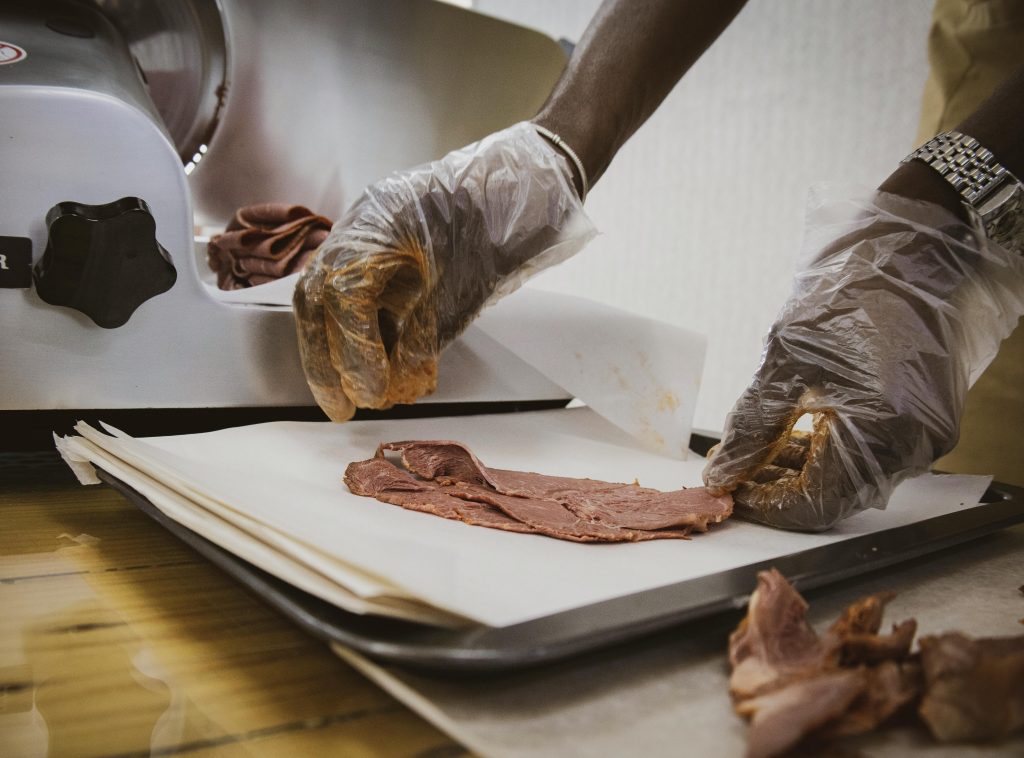
A meat cutter who wasn’t fairly paid and whose job duties were misrepresented will keep his compensation, following a recent decision from the B.C. Employment Standards Tribunal.
Shams Halal Meat, a wholesale meat supply business on Schoolhouse Street in Coquitlam, hired Ehsan Moghaddaszadeh Kermani as a temporary foreign worker. Kermani was given a two-year closed work permit that restricted him from working for anyone else.
He started work for Shams in May 2023 under the agreement he would work forty hours a week at $18.50 per hour.
Local news that matters to you
No one covers the Tri-Cities like we do. But we need your help to keep our community journalism sustainable.
There is no dispute over that agreement.
However, Kermani recorded a conversation with his boss in which he was “explicitly told” he’d be making less than the agreed-to amount.
“The employer did not deny the content of that conversation,” according to the judgment.
Kermani was expected to “pay back some money” in order to keep working there.
After the company unilaterally changed the initial agreement, Kermani’s pay was “substantially lower.”
In May 2025, the company was found to have violated the Temporary Foreign Worker Protection Act, according to a decision from a delegate of the Director of Employment Standards.
Kermani was entitled to leave the job and was awarded pay equal to the wages he lost before finding a new job.
The delegate also found Shams Halal misrepresented Kermani’s duties, which were more in line with an industrial meat cutter than a retail or wholesale operation.
Shams Halal Meats launched an appeal, alleging the previous decision was based on errors of law and a “failure to observe the principles of natural justice.”
The company charged Kermani’s “ulterior motive” was to quit and apply for a work permit under the vulnerable employee work category.
The delegate also ignored payroll records, according to the company’s appeal.
In rejecting that appeal, Employment Standards Tribunal member Brandon Mewhort noted Shams Halal was required to produce a record of Kermani’s work hours.
No one from the company submitted any time records, Mewhort noted.
Shams Halal charged the delegate was biased, preferring Kermani’s evidence due to a: “pre-conceived image of the business of [a] meat shop,” according to the appeal.
Mewhort rejected that argument.
“The employer has merely asserted bias without providing any objective evidence,” Mewhort wrote.
In terms of job classification, Shams Halal argued the delegate didn’t consider that equipment in its business can be used in retail meat shops.
The delegate “explicitly considered” the equipment used by the employee, Mewhort found.
One of the appeal arguments was that the matter should have been settled under the Employment Standards Act.
However, the Temporary Foreign Workers Protection Act: “explicitly prohibits employers from misrepresenting employment opportunities, including respecting wages,” Mewhort concluded.
The appeal was dismissed.
Author