Many expensive parking spaces are sitting empty in Tri-Cities residential buildings
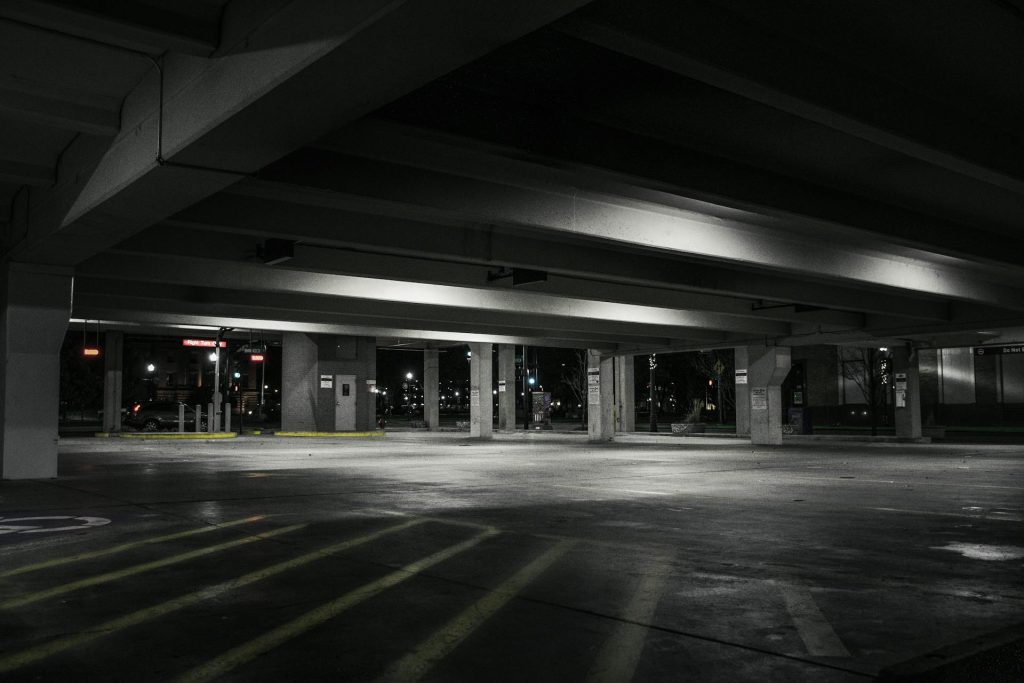
Reducing the amount of parking spaces required in new condo construction could reduce the cost of housing for both owners and renters in the Tri-Cities, as many of those expensive spaces aren’t used.
That’s a central message in a new report by the Metro Vancouver regional government, conducted in the wake of the B.C. government removing minimum parking requirements for residential buildings in designated transit-oriented development areas (TOA).
The addition of parking spaces in new construction is now based on market need and demand, instead of simply one set number required by a city.
Local news that matters to you
No one covers the Tri-Cities like we do. But we need your help to keep our community journalism sustainable.
More and more cities are looking to reduce the number of spaces required. Victoria, for example, has greatly reduced the number of spots required in certain high-density buildings close to its downtown core.
The Metro Vancouver report details just how expensive these spaces are to build, and just how many are not being used.
The report found that near SkyTrain stations there is an average of 1.09 parking stalls per unit but an average occupancy rate of 64 per cent. In areas without frequent transit there is an average of 1.47 stalls per unit with an average occupancy rate of 68 per cent.
“Visitor parking is under-utilized across all geographic contexts and tenures,” the report said.
A consultant visited buildings in the Tri-Cities during peak parking times during evenings during the week. The average parking spot occupancy in Coquitlam was just 57 per cent for resident spaces. In Port Coquitlam, it was 70 per cent, and 63 per cent in Port Moody.
“Parking occupancy is higher for rental buildings than for strata buildings, suggesting that strata buildings, at an average of 1.30 stalls per unit, may be supplying more parking than is needed,” the report said. “Rental housing, on the other hand, has significantly less parking (0.77 stalls per unit) and greater occupancy.”
Park economics and housing affordability
A main goal of the off-street parking study was to look at how much it cost to add a space in new buildings, and how that impacts affordability.
“Parking is more expensive than most people realize,” the report said.
The cost to provide a single underground parking stall in the region ranges from approximately $117,400 to $137,000, the report found.
“To sell condos or to rent new apartments, developers must satisfy the minimum market demand for parking in a particular location as well as the minimum parking supply required by the municipality,” the report says.
“Developers are always motivated to right-size parking supply to the particular target market for their project. High parking requirements significantly impact project economics. They increase overall costs, not only in terms of higher construction expenses but also due to added costs in design, insurance, and other factors. These elevated costs can lower the price developers are able to pay for land, sometimes to the extent that landowners are unwilling to sell.”
The addition of one parking stall per unit could translate to a household needing to earn an additional $31,000 to $36,000 annually to qualify for the associated mortgage, the report said.
“For non-market housing, providing less parking can result in savings that may be realized in the form of lower rents and/or more capital available for new affordable housing projects,” the report said.
What do developers say?
The report consultants interviewed multiple developers to hear how parking requirements impact their choices.
Developers identified two key factors informing the number of parking spaces in a development project: product type and proximity to transit, specifically SkyTrain stations.
Relaxing or removing parking minimums provides developers with more freedom and avoids arbitrary oversupply, but the actual parking supply depends on market demand.
Parking stalls are not directly used for profit.
“Developers aim to provide just enough parking to meet market or end-user demand. If parking supply falls short of what purchasers expect, it can impair the perceived value of a project and potentially jeopardize its viability,” the report said. “For example, luxury buildings targeted at higher-income buyers, who are more likely to own one or more vehicles, must include at least one stall per unit to remain competitive in that submarket.”
The report also included this thought about how reducing parking requirements doesn’t guarantee savings: “There is no guarantee that homebuilders would pass on savings if parking requirements were reduced. The product is priced to the market, not based on development costs.”
Shared parking
The report said that the introduction of no minimum parking near transit opens the door for other parking ideas.
For example, shared parking spaces for people who work different kinds of hours.
In a mixed used development with residential units and a supermarket, the supermarket’s peak parking generally happens in the daytime, whereas residential visitor marking peaks in the evening.
“This temporal misalignment creates an opportunity for shared parking, enabling optimal parking utilization. For instance, the supermarket may have surplus parking spaces available during the evening, which can be utilized by residential visitors,” the report says.
It adds that with the introduction on no minimum parking in TOA, it is an opportunity to consider shared parking
“This could allow for responding to over spillage/overflow of parking needs and to aid in the control of pick-up/drop-off space requirements where there could be an abundance of pick-up/drop-off needs resulting from the reduction of parking availability. Balancing the construction of district shared parking along with the intent to reduce private automobile reliance resulting from removing parking minimums needs careful considerations.”