Homelessness levels dip in Tri-Cities overall; but fewer are finding shelter
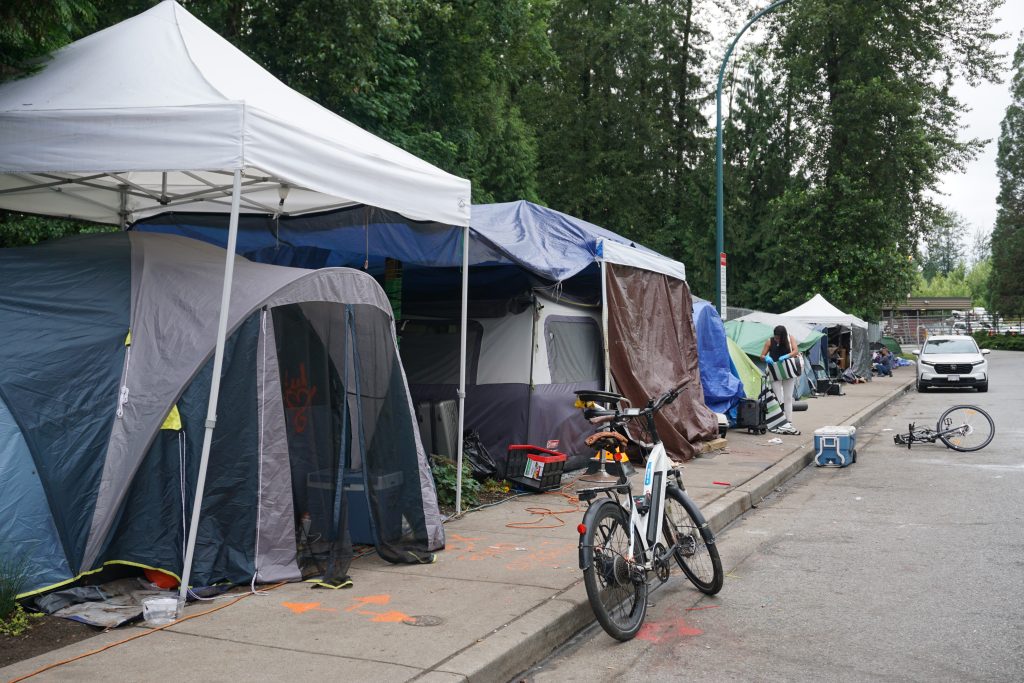
There are approximately 144 homeless people in the Tri-Cities, according to the most recent point-in-time homeless count.
That figure represents a 10 percent decline from 2023. However, the number of people who need shelter has likely risen, stated Tri-Cities Homelessness & Housing Task Group coordinator Jeremy Johnson.
“If anything, the pressures have grown due to rising housing costs, stagnant incomes, and gaps in health and social supports. But with fewer shelter spaces available, more people are visibly unsheltered,” Johnson wrote in an email to the Dispatch.
Local news that matters to you
No one covers the Tri-Cities like we do. But we need your help to keep our community journalism sustainable.
During the March 10 point-in-time count, volunteers found 75 homeless people in the Tri-Cities with some type of shelter – including transition housing, a hospital room, holding cell or detox facility – 23 fewer sheltered homeless people than in 2023.
Volunteers also counted 69 unsheltered homeless people in the Tri-Cities, seven more than in 2023.
The two trends stem “not from a lack of care, but from the increasing difficulty in sustaining temporary shelter capacity in the region,” Johnson noted.
After operating for nearly four years as a temporary shelter for about 30 residents, the SureStay Hotel in Coquitlam closed in 2024. Following several years of uncertainty, the Kyle Centre in Port Moody didn’t operate as an extreme weather shelter in 2024/25.
Efforts to find alternate sites have been “extremely challenging,” Johnson noted.
The homeless population is facing “persistent challenges,” Johnson stated, listing: affordability, mental health, substance use, and trauma.
The count underscores the need for short- and long-term supports, he added.
“What stands out to me is the resilience of the people we meet and the dedication of frontline staff, volunteers, and organizations working to fill the gaps.”
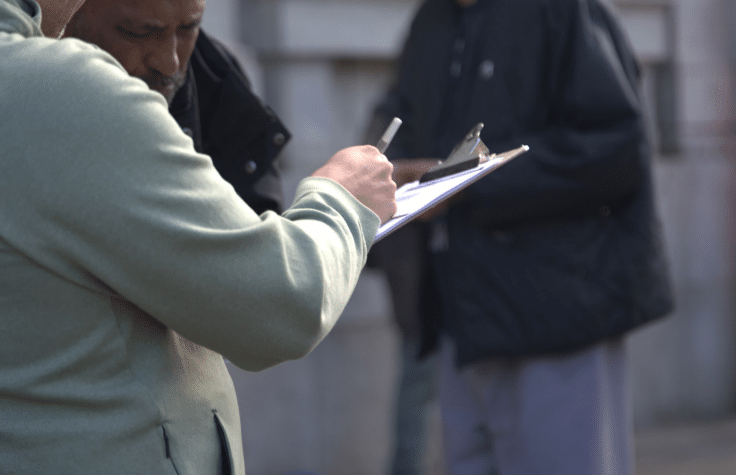
The point-in-time count is conducted by 383 volunteers and agency staff, many of whom have experienced homelessness, and is intended to be a snapshot of people who are experiencing homelessness in a 24-hour period.
The numbers are understood to be a minimum.
Across Greater Vancouver, volunteers counted 5,232 people who are homeless. The total is a nine percent increase from 2023 and an 88 percent increase from 2014.
“If anything, the data highlights the need for greater collaboration across sectors. No single city or organization can solve this alone, but working together honestly, transparently, and with a shared sense of urgency I believe we can make progress,” Johnson wrote.
Approximately 34 percent of the homeless population identified as Indigenous.
“This continued over-representation reflects the enduring effects of colonization, the legacy of the residential school system and the impact of child welfare and the foster care system continue to impact the daily experience of many Indigenous Peoples and families,” according to the report written by Homelessness Services Association of BC, James Caspersen and Stephen D’Souza.
Author