Food recovery charity opens Coquitlam kitchen
Sometimes, the journey of a thousand meals starts with a single documentary.
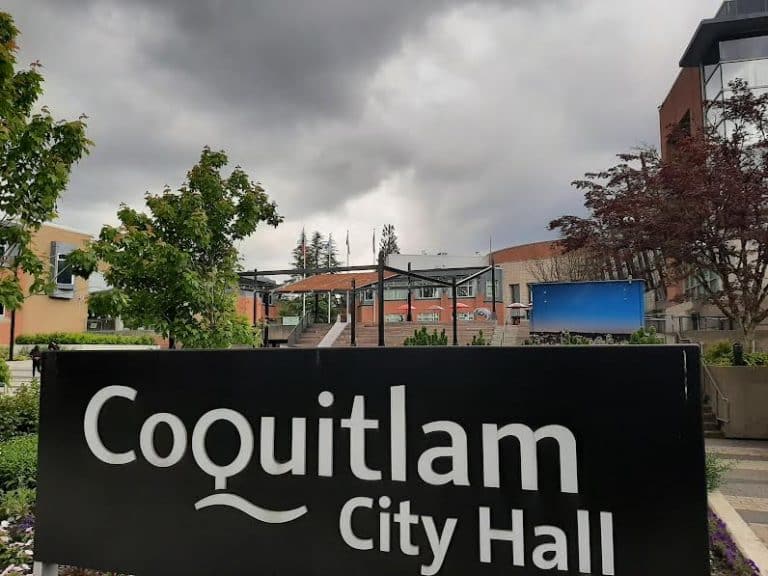
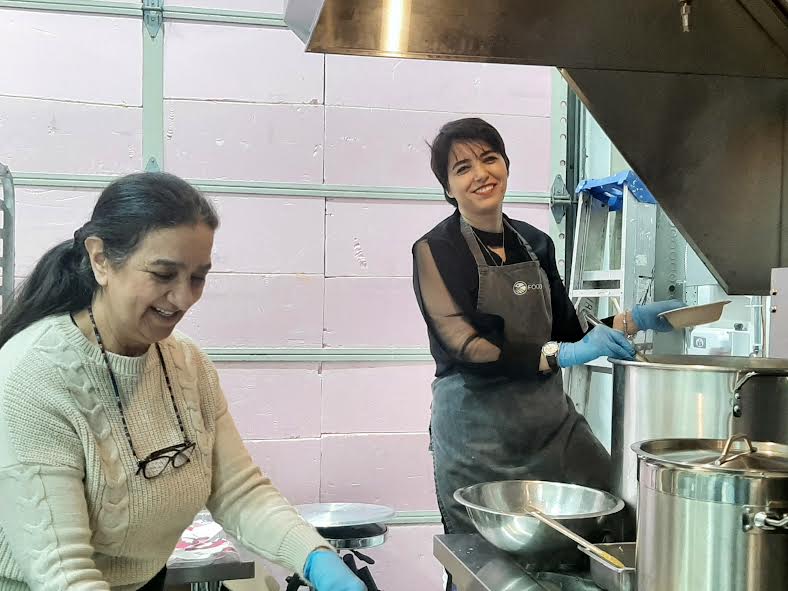
The smell of phyllo pastry and a feeling of triumph were in the air Tuesday as politicians, community groups, and volunteers gathered to mark the opening of Coquitlam’s first community kitchen.
It’s like standing on the top of the mountain, Food Link Society director Igor Bjelac said of the occasion.
Local news that matters to you
No one covers the Tri-Cities like we do. But we need your help to keep our community journalism sustainable.
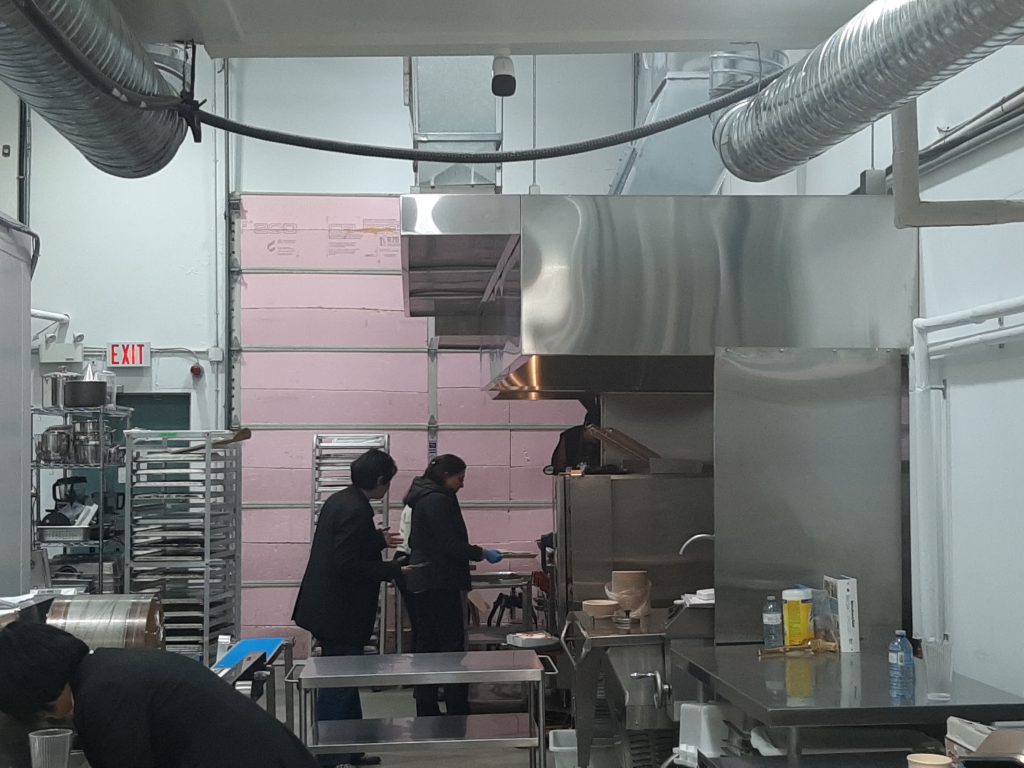
The kitchen, located in the industrial zone between the Fraser River and the Great Canadian Casino, is a hub where recovered food is converted into low-cost meals. It’s the product of a decade of hard work that started in a Coquitlam Continuing Education class.
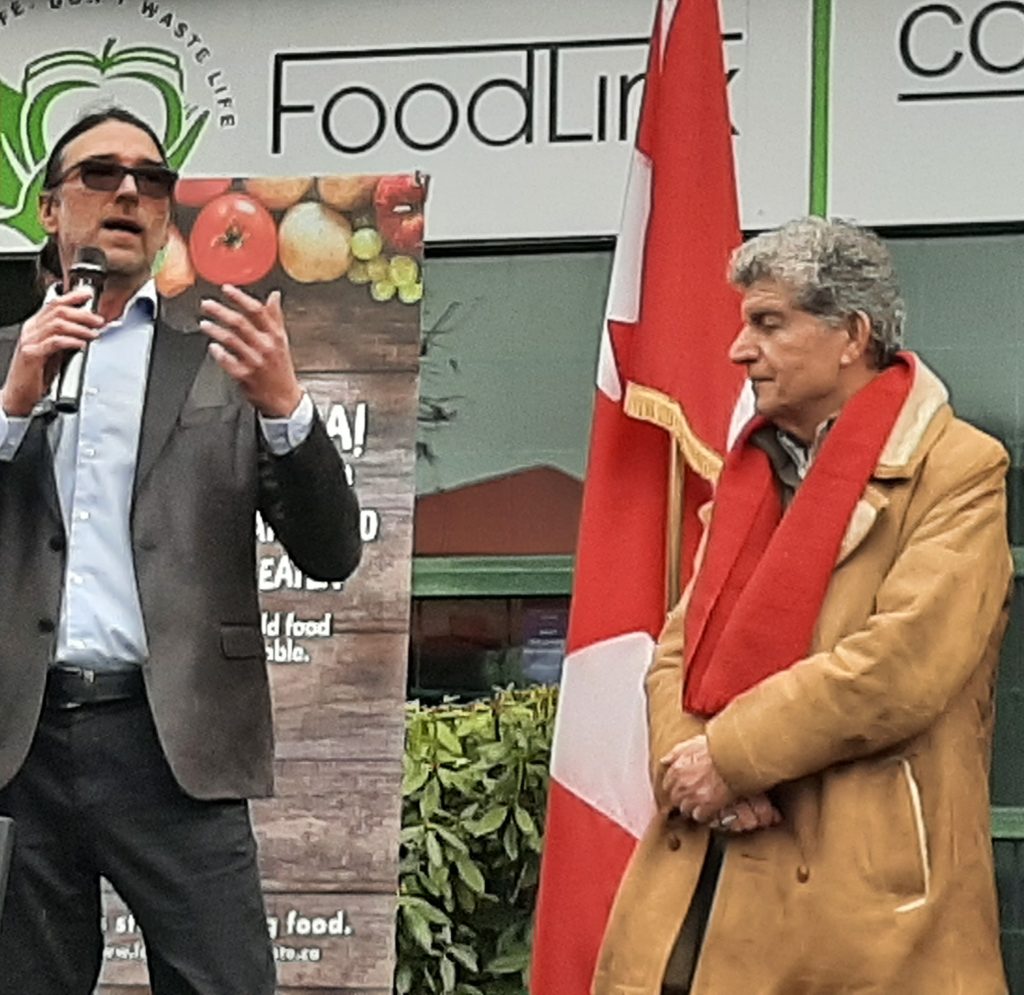
Before immigrating to Canada, Bjelac worked to support foster kids in his native Serbia.
He got grants to support his work but had to kick most of the money back to politicians, he said, describing the under-the-table arrangement as: “totally idiotic.”
Settling into his new home in Canada, he opted to take an English class at the Vanier Centre just off King Albert Avenue. It was where he met Ali Haeri, Reihaneh Mirjani, Young-Suk Bong and Basem Tawadrws.
“When I met them in class it was like a revelation,” he said.
The class was taught by Wendy Swalwell, who decided to highlight the problem of food waste for the newcomers.
She screened the documentary Just Eat It. The movie followed a couple who decided to forgo the grocery story to see if they could survive purely on food that would otherwise be thrown away.
Bjelac recalled being horrified to see the landfill teeming with food that was deemed inedible for the slightest infraction. A banana with a brown spot. Packaged food approaching its best before date. All swept into the trash.
What began as a class discussion quickly became a nearly all-encompassing project, Swalwell remembered.
“I’ve never seen such dedication,” she said, recalling that the English class almost veered into becoming a food program.
As more Canadians struggled to afford groceries, the Food Link Society expanded.
In 2024, the society reported recovering enough food to serve meals to 107,000 people. That’s the equivalent of $8-million worth of food kept from the landfill, according to Bjelac.
It’s only possible, he emphasizes, because of the work of the approximately 420 cooks, labourers and drivers who make up what he calls Food Link Society’s “volunteer army.”
“As long as the need is there they just keep growing,” Swalwell said. “I want to see this keep going. . . . But the reality is, these things need money.”
In order to make that money, the group founded vegan comfort cuisine company Soul Bite Food.
“Soul Bite Foods puts gasoline the trucks,” said Mayor Richard Stewart, who recalled joining Food Link Society for a ride along where food was picked up from grocery stores and dropped off to distributors.
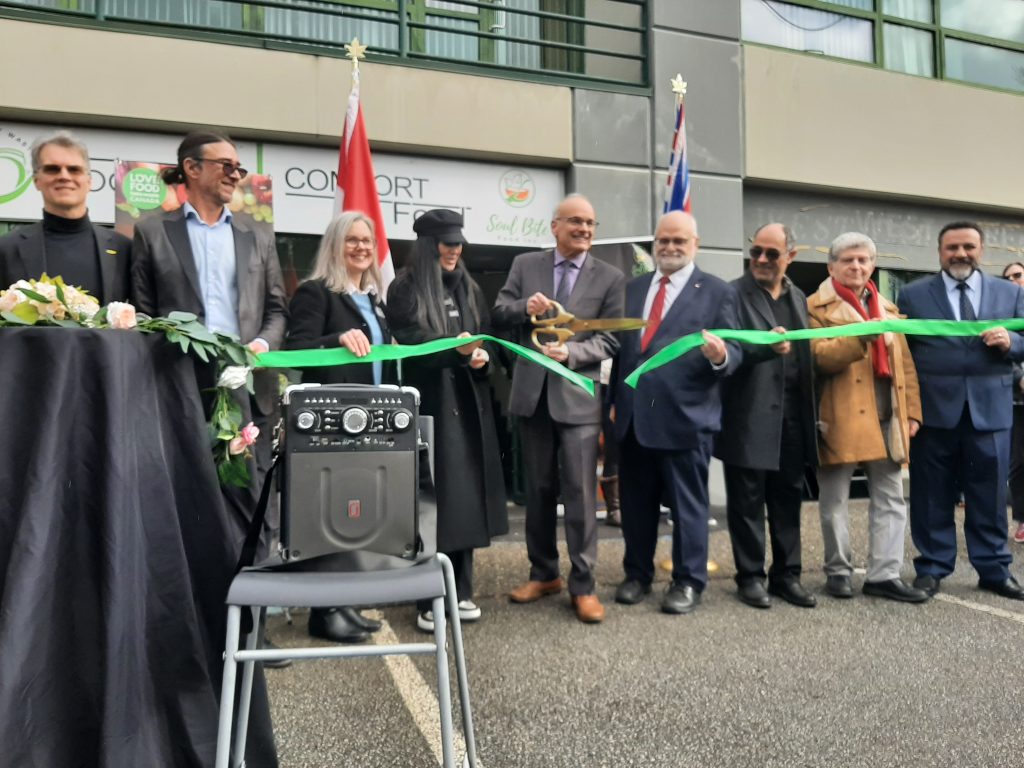
The initiative is a key part of striving toward zero food waste, he added.
Following Tuesday’s ribbon cutting, Bjelac took a few minutes to reflect on his journey from Serbia to Coquitlam when he was summoned downstairs for “a surprise.”
It’s his 48th birthday, he acknowledges, taking a look at the formerly empty building that now promises to be a thriving kitchen.
“For me it’s the best birthday present.”

Author