Transitioning Port Moody’s vehicle fleet off gasoline to cost $2.8 million by 2030, according to new strategy
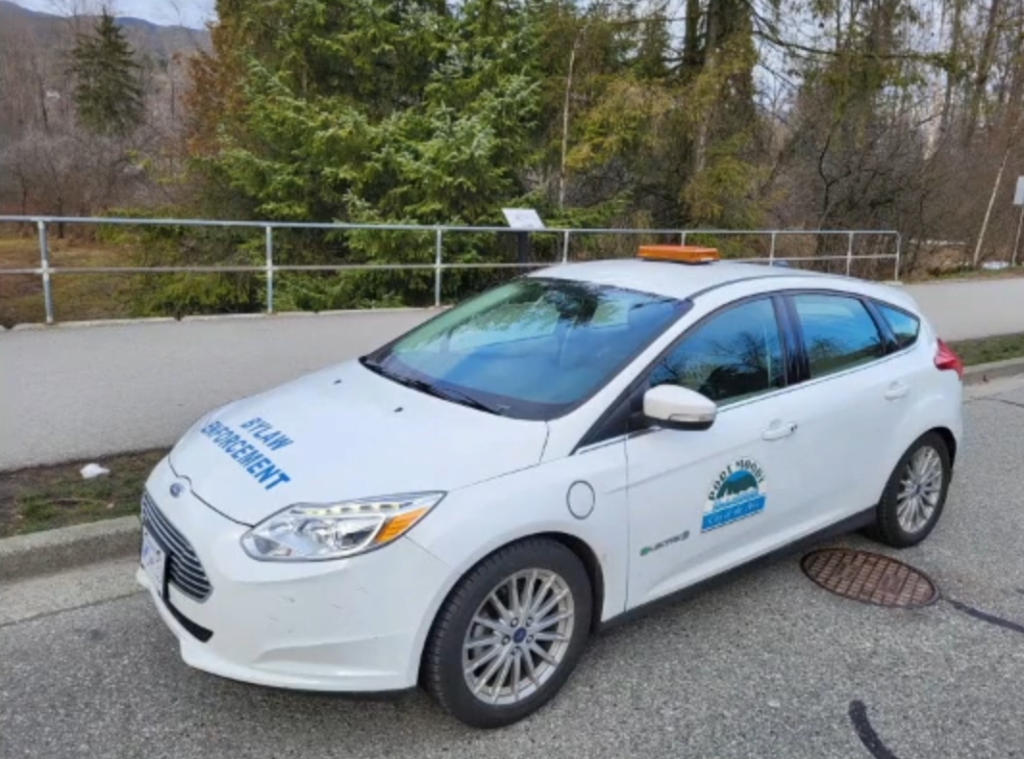
Port Moody has endorsed a plan to electrify its vehicle fleet, which will position the city as a leader among municipalities. The price tag: $2.8 million by 2030.
Council unanimously voted to back the Zero Emission Fleet Strategy on Tuesday, March 19, which will be incorporated into future capital and operating plans.
“This is going to take us another step closer to our climate goals,” said Mayor Meghan Lahti.
Local news that matters to you
No one covers the Tri-Cities like we do. But we need your help to keep our community journalism sustainable.
Port Moody’s Climate Action Plan has set a target to reduce city emissions by 40 percent by 2030, and be completely carbon neutral by 2050. It expects to spend $5.9 million over the next seven years on climate initiatives, and potentially $11.7 million by 2040.
Making its 152-strong vehicle fleet greener is a big part of those initiatives. Combined, municipal vehicles account for 35 percent of the city’s total greenhouse gas emissions.
The strategy aims to have electrical vehicles (EV) make up 40 percent of passenger vehicles, 25 percent of its commercial vehicles, 35 percent of its medium and heavy duty vehicles by 2030.
It recommends the city no longer purchase new heavy duty vehicles with internal combustion engines (ICE) as long as there are EV alternatives. The transition of its light-duty fleet will be more cost sensitive, but EVs will still be purchased when climate objectives demand it.
Steve Wiebe of Innotech Fleet Strategies, a consultant hired by the city, said the plan generally calls for no more procurement of ICE vehicles when EV options are available.
“While not the lowest cost option,” Wiebe said. “It is the only scenario that meets the city’s strategic goals.”
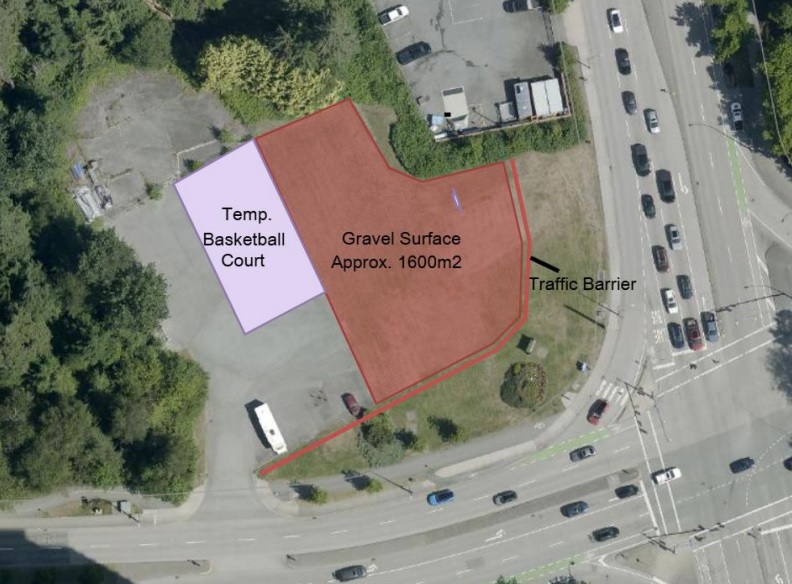
EV charging infrastructure has also been proposed for six locations in the city, including the civic centre, public works yard, recreation complex, Inlet Fire Hall, public safety building and a lot on Murray Street.
The public works yard is the only site that will require electrical service upgrades to meet the projected demands, which require nearly $1 million in capital costs by 2025.
Wiebe said significant emissions reductions from electrification won’t be realized until the heavy duty fleet transitions to EVs. Heavy duty vehicles account for 65 percent of the fleet’s emissions. They also have the highest replacement costs.
Paul Leblanc, Port Moody’s manager of solid waste, fleet and shared services, cautioned that the market options for heavy duty vehicles is still limited, and gasoline or diesel replacements might be needed.
Renewable diesel has been proposed as a more-immediate option to reduce emissions if other projects, such as the public works yard upgrade, are delayed.
However, the EV technology and industry is progressing rapidly, Leblanc added.
He said best candidates for heavy duty vehicle replacements are Port Moody’s garbage trucks.
“We will have to wait and see what happens in the real world, in real time,” Leblanc said. “We’re probably about five to six years out for the first electric garbage truck if we stay on schedule.”
Light-duty vehicles, on the other hand, will probably be completely transitioned to EV in eight to 12 years, Leblanc said, noting the city’s oldest vehicles were purchased in 2016.
Council also approved an immediate $100,000 purchase for two EV vehicles, followed by a third in 2025, funded through reserves. These would serve carpool vehicles for office staff, and would save the city around $41,000 over the next decade, according to the strategy.
Both the federal and provincial governments have set mandatory targets for phasing out the sale of ICE vehicles by 2035, and are offering significant incentives for municipalities to purchase EVs.
Up to $200,000 per vehicle from the federal government and up to $100,000 from the province can be combined to offset up to 75 percent of the purchases.
Since these grants are subject to change, they have not been factored into the strategy’s baseline costs, Wiebe said.
Coun. Diana Dilworth noted the city still has significant balance remaining from the province’s Growing Communities Fund which could be used to offset some of the costs.
“While this might not be a community benefit in terms of a recreation center or a park, it’s certainly contributing to addressing climate needs across our entire community,” she said.
Lahti questioned whether the site would continue to serve as a public works yard in the future.
Leblanc said charging hubs could be relocated, but the biggest upgrade costs would come from the required underground servicing. “The existing electrical infrastructure is circa 1973; it’s over 50 years old. So we’re going to have to do some improvements regardless,” he said.

Author