Environmental groups push for energy efficient buildings in Port Coquitlam
While the province requires municipalities to adopt it by 2030, advocates want cities to uptake it sooner
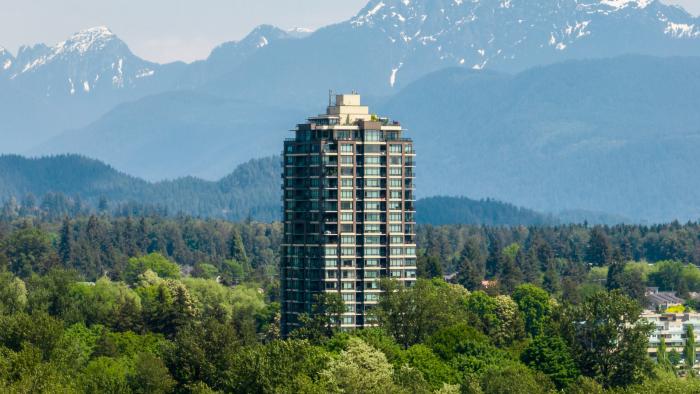
In Port Coquitlam, a campaign is underway to encourage city council to adopt the Zero Carbon Step Code — a provincial building policy to reduce emissions in new buildings.
Neighbours United, a nonprofit organization, started going door-to-to door early this month as part of their efforts to encourage cities to adopt the code before it becomes mandatory in 2030.
“These homes are going to be built anyway, so let’s make sure they’re built for the present not the past,” Dana Taylor, the affordable electric homes campaign manager with Neighbours United, told the Dispatch in an email.
Local news that matters to you
No one covers the Tri-Cities like we do. But we need your help to keep our community journalism sustainable.
“Every new building that goes up without meeting the Zero Carbon Step Code is a missed opportunity, and a future expensive retrofit waiting to happen,” Taylor wrote.
As of 2018, Port Coquitlam’s building sector contributed to 37 percent of the city’s GHG emissions.
B.C. has introduced two step codes: the BC Energy Step Code (which sets standards for energy efficiency in new buildings, based on things like airtight buildings and insulation) and what Neighbours United is campaigning for: the Zero Carbon Step Code, which is concerned about the energy source used for heating.
“The goal is to reduce and eliminate fossil fuels as a source and replace it with electricity,” said Benjamin Perry, a volunteer coordinator with Tri-Cities Force of Nature Alliance, a grassroots organization that has campaigned for the policy in Coquitlam.
For example, instead of heating buildings and water with natural gas, builders would install heat pumps instead (which can also be used as air conditioning in the summer).
The Zero Carbon Step Code, Perry said, is a more effective tool to mitigate climate change by reducing carbon emissions and adapt to it by providing cooling.
Taylor contended that it’s more cost-effective to build homes with technology like this the first time, rather than retrofit them later.
So far, she said the response to their campaign has been positive.
While many people they’ve spoken with haven’t heard of the Zero Carbon Step Code, many are concerned about the impacts of climate change and the effects it has already had on their lives.
“They’re seeing the changes now and they’re feeling the stress and the burden of trying to keep their families safe,” Taylor said. “They’re worried about their kids, about how the smoke and the heat are already limiting what their children can safely enjoy.”
Other cities
Neighbouring cities like Port Moody, Burnaby, New Westminster and Maple Ridge have already adopted the Zero Carbon Step Code in advance of the 2030 deadline.
Port Moody started implementing the code at the beginning of this year. But it wasn’t without opposition: both Coun. Diana Dilworth and Callan Morrison voted against passing it, with the former (who also works for the Homebuilders Association Vancouver (HAVAN),) saying it caused concern, confusion and increased costs for developers.
Advocates like Perry have been lobbying Coquitlam since early 2023 to adopt the step code without any luck so far. While Coquitlam council has discussed introducing new building codes in 2026 and adopting the zero carbon step code by 2028, Perry wants it much sooner.
“Coquitlam, Port Coquitlam are sticking out as not adopting these,” he said.
Perry said that in Port Coquitlam, the population leans politically left wing labour and conservative. He thinks this is why there’s resistance to climate policies like these.
“With the blue-orange crowd, there’s a strong, pro-fossil fuel, pro-resource economy, industrial economy, kind of feeling there,” Perry said.