Joint investment of $19.9 million to improve lower Coquitlam and Fraser rivers’ diking systems announced
A $19.9 million funding package has been announced to improve the diking systems along the lower Coquitlam River and Fraser River.
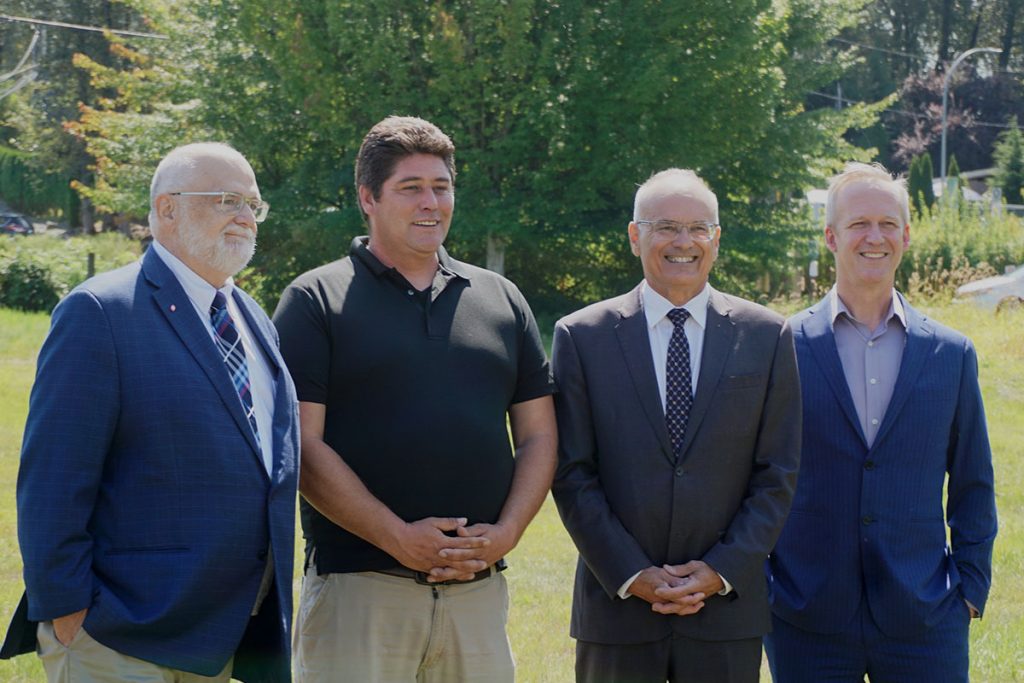
Coquitlam Mayor Richard Stewart, Kwikwetlem First Nation Coun. John Peters, Coquitlam–Port Coquitlam MP Ron McKinnon, and Port Moody MLA Rick Glumac announced the joint investment on Aug. 15 at ƛ̓ éxətəm Regional Park, formerly known as Colony Farm Regional Park.
Stewart said the local governments and First Nations are the “front lines’ with respect to climate change, as seen through recent flooding events across the province.
Local news that matters to you
No one covers the Tri-Cities like we do. But we need your help to keep our community journalism sustainable.
“Our collective action in planning and preparing for flood events underscores our shared commitment to safeguarding our communities and reducing the risks they face,” Stewart said.
Rising water levels and increased rainfall from climate change are increasing the flood risk to Kwikwetlem’s slakəyánc community, the regional transportation network, Mayfair Industrial Park in Coquitlam and ƛ̓éxətəm Regional Park, states a new release from the federal government.
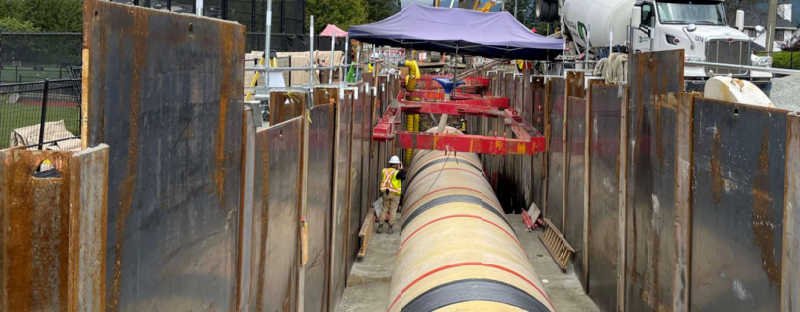
The funding will allow the City of Coquitlam and Kwikwetlem First Nation to upgrade the area’s current flood-protection network by building enhanced dikes. In addition, fish habitats will be strengthened and new flood boxes will be installed to support water connectivity through the dike and local drainage system, preventing backflow.
Peters said that slakəyánc has faced significant flood risks for years, and the upgrading of critical flood-protection infrastructure will help protect the community in the future.
“Investing in climate adaptation is crucial to safeguarding our people and the lands we have cared for since time immemorial,” Peters said. “Together, we are building a safer and more resilient future for everyone.”
The community of slakəyánc was left unprotected by diking infrastructure built in the early 20th century to protect Colony Farm Regional Park.
slakəyánc has flooded at least 21 times from winter and freshet flooding on the Coquitlam and Fraser rivers since 1909, states a news release from the Kwikwetlem First Nation, adding it remains at constant risk to this day.
“Flooding in our community has been a serious issue for several decades now due to rising levels of water from the Coquitlam Lake Watershed, diking and increased rainfall caused by climate change,” said Coun. George Chaffee of the Kwikwetlem First Nation. “With this funding and the substantial improvements that will result from this project, we are working with our regional partners to ensure that these historical wrongs are finally addressed.”
A total of $11,487,350 is being drawn from the federal government’s Green Infrastructure Stream of the Investing in Canada Infrastructure Program, which aims to help communities prepare for climate change, reduce emissions and support renewable technologies.
Over 125 infrastructure projects in B.C. have been announced under the Green Infrastructure Stream, amounting to more than $555 million in federal funds and more than $390 million in provincial funds.
The province is contributing $4,827,684 towards the project, while Kwikwetlem First Nation and Coquitlam are contributing $992,966 and $2,670,000, respectively.
The Kwikwetlem First Nation states the joint venture will help strengthen their relationship with the City of Coquitlam, and improve the slakəyánc community’s resilience by safeguarding and restoring sacred sites, local waterways and ecosystems.
A Kwikwetlem First Nation representative said they are aiming to start work on the project in 2027 and having it completed in 2029.
Author