Coquitlam property values slip in 2026
Your house might be worth a little less in 2026 than it was in 2025.
For the first time in five years, the total value of the assessment roll dipped in Coquitlam, dropping from $91.56 to $87.64 billion, approximately 4.2 percent.
The roll applies to 57,860 properties in the city. The value of single-family homes was down five percent while strata properties fell two percent.
Local news that matters to you
No one covers the Tri-Cities like we do. But we need your help to keep our community journalism sustainable.
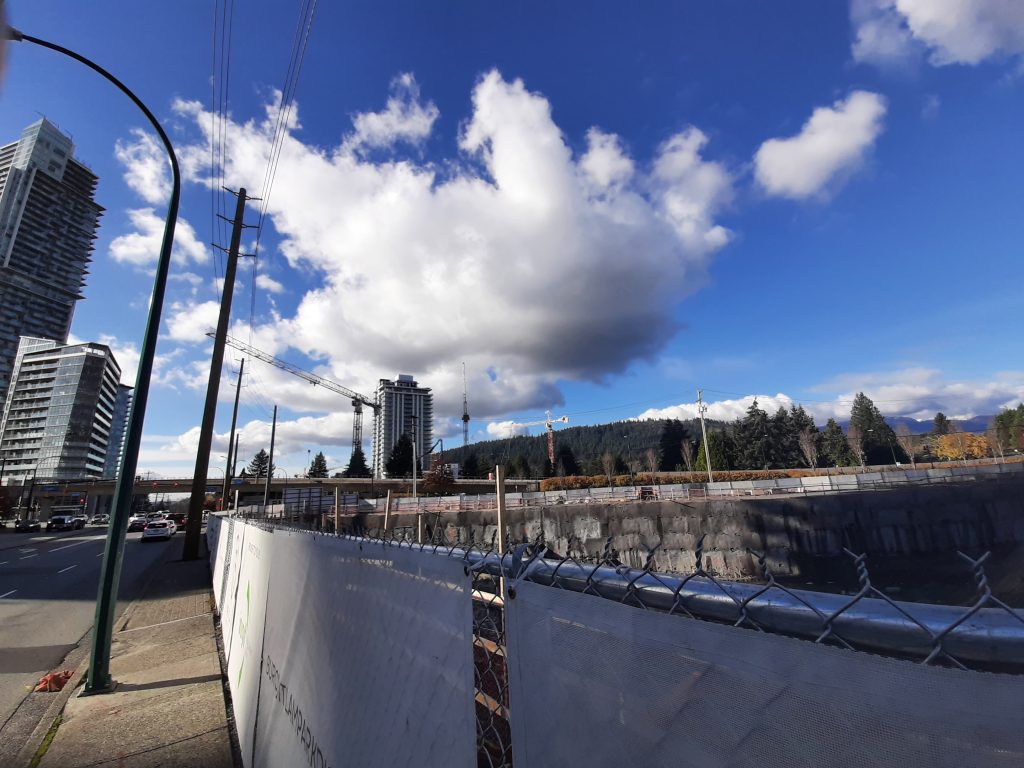
The overall decline is largely attributed to fewer cranes on the horizon, with new construction in the city down about seven percent.
Light industry property values were hardest hit, declining nearly 21 percent. Business properties dropped 7.4 percent.
Resale data was scant, noted deputy assessor Niko Papoutsakis.
“In previous years, there’s lots of resales,” Papoutsakis explained in a presentation to Coquitlam council on Monday. “This year, it was very difficult to locate true resales.”
A house in Burke Mountain and another Westwood Plateau were both sold in 2024 and then resold for approximately nine percent less in 2025. A West Coquitlam resale was relatively flat, selling for about one percent less in 2025 compared to 2024.
New provincial housing rules have allowed four units on lots on parcels previously zoned for single-family houses. Based on limited data, that change hasn’t resulted in a dramatic uptick in property value yet, according to B.C. Assessment.
After rising above $60 billion in 2021, the value of the roll in Coquitlam zipped up by more than $20 billion over the next two years, hitting $84 billion in 2023. The roll ticked up another $5 billion in 2024 followed by a $2 billion increase in 2025.
The total value of the B.C. assessment roll – which includes 2.23 million properties – is down 2.5 percent across the province compared to 2025.
The amount of new construction in B.C. dropped 9.4 percent – a value of $34.7 billion
Properties are assessed based on highest and best use, which is based on making a property as productive as possible, based on what’s legally permissible and financially feasible.
Author