Coquitlam looks to strip some complexity from OCP
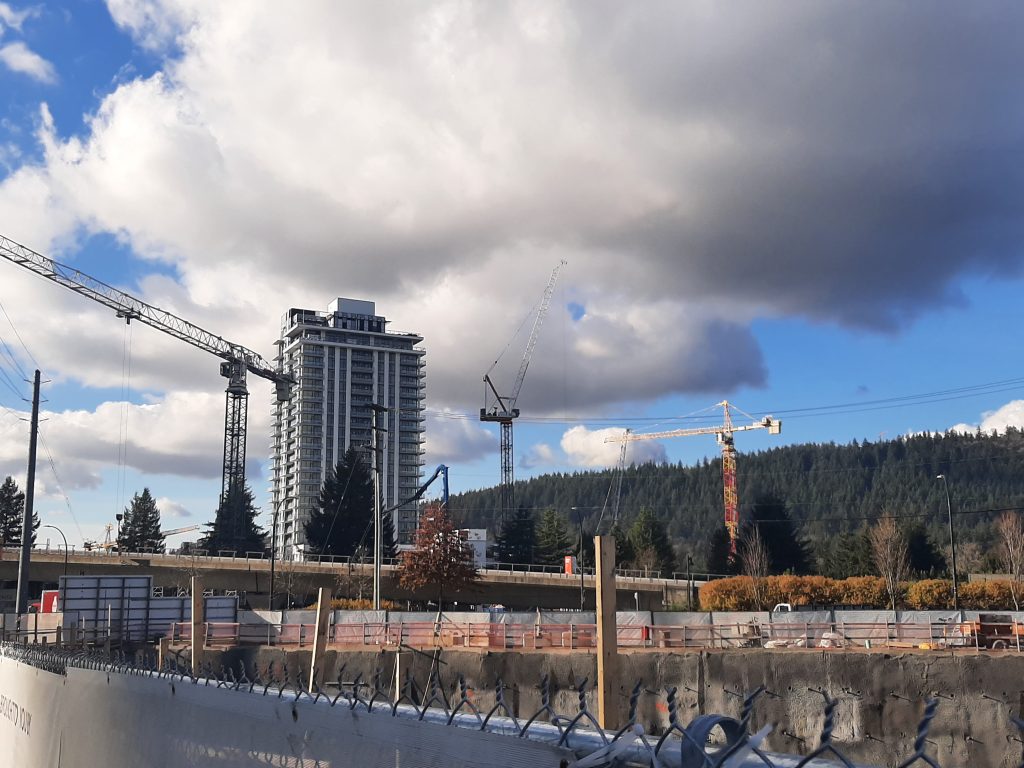
A 546-page document sailed through council chambers with barely a word.
Coquitlam council unanimously gave first reading to the city’s proposed interim Official Community Plan on March 30. While substantially similar to the old plan, the new, streamlined OCP, is about half the size of Coquitlam’s current OCP, which runs more than 1,000 pages and is sometimes overly intricate.
“This complexity has created significant challenges for applicants and staff in interpreting policy intent and applying policy consistently,” stated a city staff report.
Local news that matters to you
No one covers the Tri-Cities like we do. But we need your help to keep our community journalism sustainable.
The interim OCP is meant to be more user-friendly, chopping the city’s 1,000 development permit guidelines to about 150.
Adopting the interim OCP is meant to be a “first step to set the foundation for other upcoming updates,” before a more thorough OCP overhaul in 2027, according to a city staff report.
The plan is meant to guide land-use decisions as Coquitlam’s population balloons to slightly more than 220,000 by the year 2041. As of the 2021 census, approximately 148,625 people call Coquitlam home.
The city largely plans to concentrate development around SkyTrain stations, with extra density in City Centre, Austin Heights, and Maillardville west of Lebleu Street.
Short term goals include finalizing a master plan for the former Coquitlam College site.
Over the next 10 to 20 years, Coquitlam is looking to develop “civic, recreational and cultural service hubs” around Poirier, Lafarge Lake-Douglas and Lincoln SkyTrain stations, the Partington Creek neighbourhood, and Fraser Mills.
The plan calls for the city to consider urban development on greenfield lands in northeast Coquitlam.
Long term transportation plans also include building a connection between Pinecone Burke and Minnekhada parks, as well as a connection that links Fraser River and Coquitlam River Park.
The new OCP is still subject to a public hearing, another vote from council, and oversight from Metro Vancouver.
Author