Bird population flat, but birder population may be growing
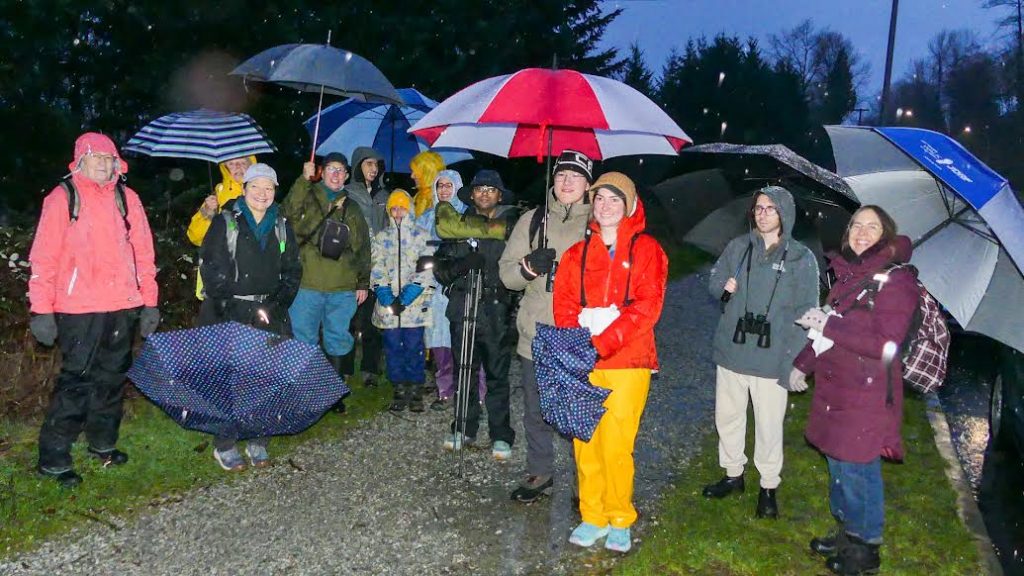
As rain pelted the Tri-Cities, birds took shelter. Birders, however, were a little less sensible.
A total of 99 nature enthusiasts tromped through the damp and mud on Jan. 3 for the annual Christmas Bird Count.
“Anybody with any sense was not outside,” said Victoria Otton with Burke Mountain Naturalists. “I think it was the wettest count we’ve probably ever had.”
Local news that matters to you
No one covers the Tri-Cities like we do. But we need your help to keep our community journalism sustainable.
Twelve teams trekked through portions of Widgeon Marsh, Minnekhada, ƛ̓éxətəm (tla-hut-um) formerly Colony Farm, and Deboville Slough, ultimately counting about 9,500 birds.
While the figure represents a drop from the average of 10,000 birds, Otton explained that the change is within the realm of expected fluctuation. They also counted 67 bird species – down from the average of 81.
In last year’s count, they saw 520 pine siskins – a sparrow-like bird with a taste for sunflower seeds.
“We saw none this year. But that’s the way that species is.”
Anna’s hummingbirds – a tiny but stocky and particularly buzzy bird – were also in short supply this year, going from more than 100 in a recent count to 46.
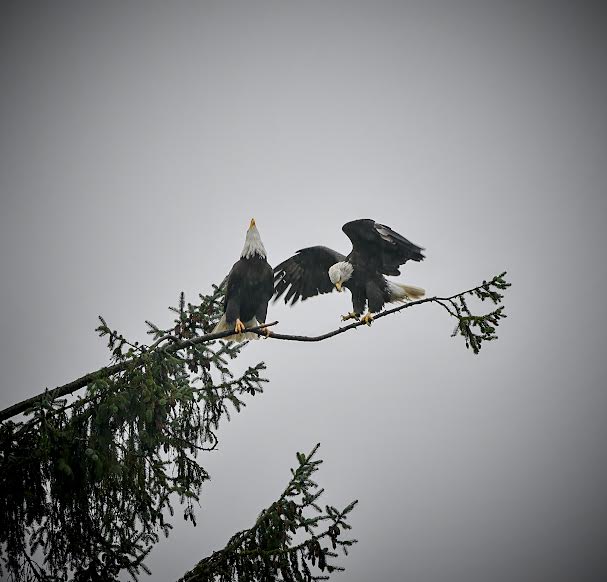
The Canada goose, mallard, and crow remained the three most common bird species by a fair margin, Otton reported. However, there was one newcomer to the Tri-Cities bird population.
The counters recorded three swamp sparrows. Described as a “solitary skulker” by the Audobon Society, the bulky bird is known for foraging in the mud and sometimes wading into shallow water.
“They’ve never been seen on our count before,” Otton said. “Maybe there were just some particularly good birders in those areas this year.”
While the counting was difficult, Otton said there the citizen science endeavour was also a social affair, with a lot of beginner birders, big smiles, and home-baked goods.
While they usually have about 72 volunteers, this year they had 99.
“In terms of volunteers, we absolutely shone.”
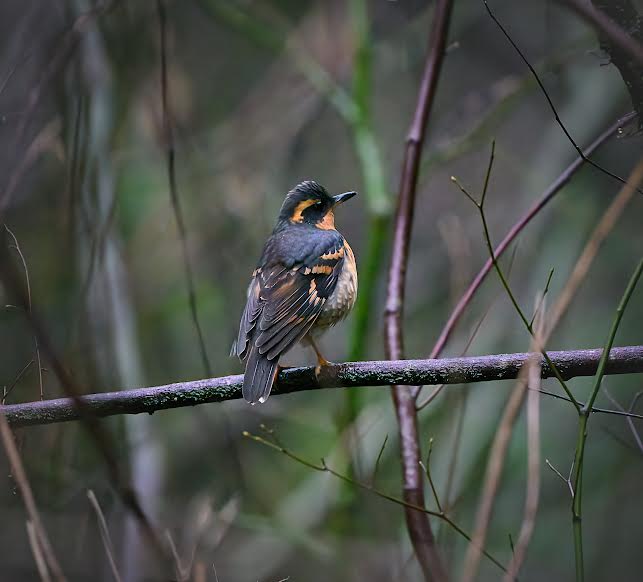
There when it counts
The Christmas Bird Count is one of the longest-running citizen science projects in the world.
For more than 100 years, friends of a feather have gathered during the December holidays to count the birds they see and hear.
Data collected can be used to assess species and ecosystems at risk.
“Since birds are some of the best indicators of ecosystem health, consistent monitoring of bird occurrence and populations tells us a lot,” explained Christmas Bird Count Coordinator for Birds Canada Yousif Attia in 2023. “Declines in bird populations detected using trend data can help scientists zero in on conservation priorities.”
Author