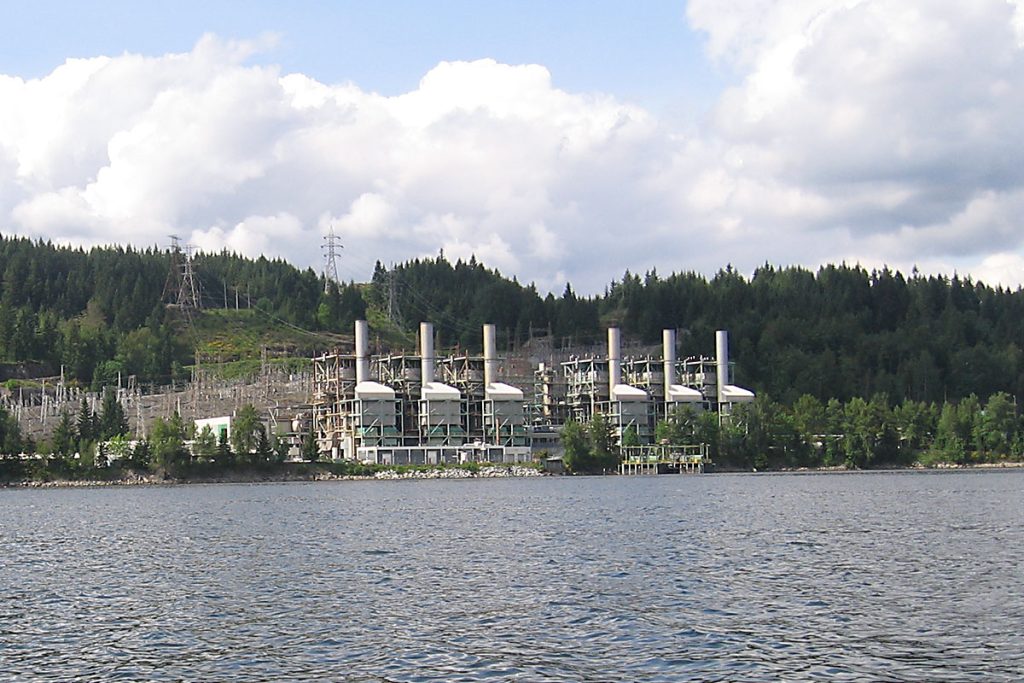
Burrard Generating Station in Port Moody to be dismantled, clearing way for possible clean energy projects
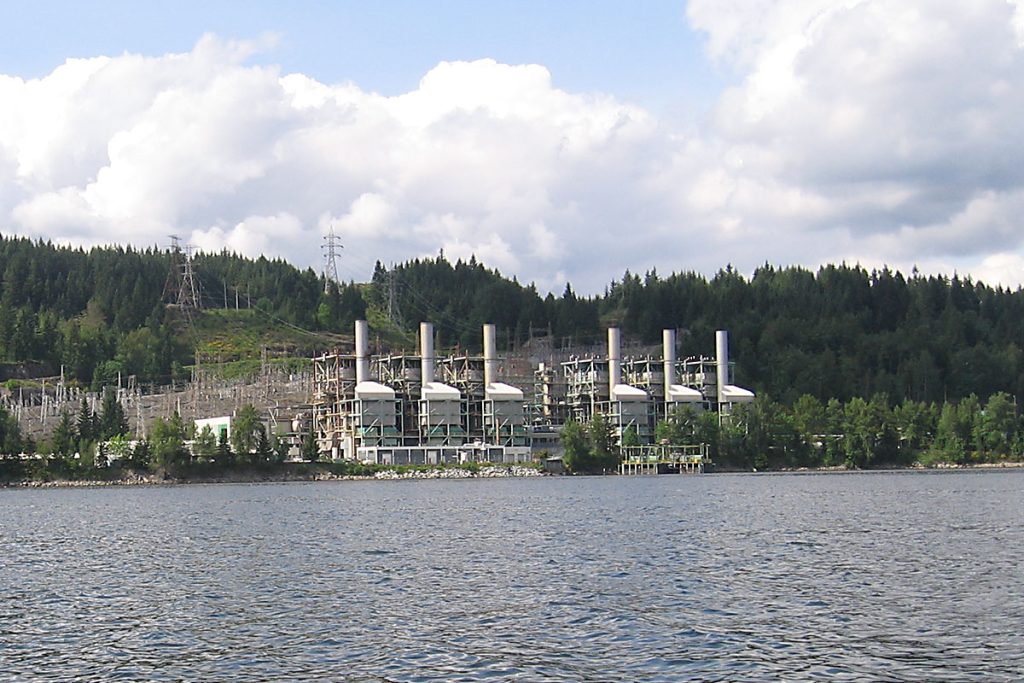
BC Hydro has initiated plans to dismantle the Burrard Generating Station.
The Burrard Facility Dismantling Project is still in its earliest phase, and the crown corporation is working out the scope and cost estimates for deconstruction and site remediation, according to BC Hydro.
“After 62 years of service, the Burrard facility in Port Moody is reaching end-of-life,” BC Hydro told the Dispatch. “The dismantling of the Burrard facility will ensure the site can be made safe, secure, and environmentally suitable for a future use.”
Local news that matters to you
No one covers the Tri-Cities like we do. But we need your help to keep our community journalism sustainable.
Although no decisions have been made regarding the future uses at the 193-acre site on Port Moody’s northwest shores, BC Hydro said the project will help guide future deliberations.
Initial work will focus on understanding site conditions, specifically the extent of contamination on the site and identifying archaeological resources.
The British Columbia Utilities Commission had directed BC Hydro to develop a detailed decommissioning and remediation plan regarding the old facility in January, according to Port Moody-Coquitlam MLA Rick Glumac.
Glumac said he envisions an innovative clean energy future for the site, allowing for the creation of green jobs for the province.
“A lot that needs to be done to prepare the site for future uses,” Glumac said. “It’s exciting to me to see that we’re going to the next step here.”
The City Port Moody has been anxiously awaiting any news from BC Hydro regarding what is planned for the property.
The city’s recently released draft of the 2050 Official Community Plan suggests working with BC Hydro and other energy partners to identify possible “spinoff activities” to re-establish industrial uses.
When the station was decommissioned in 2016, Port Moody residents suffered a significant property tax spike of over 3 percent, according to Mayor Meghan Lahti.
Although the city received a grant in lieu of taxes following the closure, Lahti said this was not sustainable.
“The city took quite a large hit. It was $1.4 million worth of tax dollars,” she said. “We want to see something happen out there simply because it’s important for us to have a diverse tax base.”
Port Moody has been struggling with a dramatic loss of its industrial tax base in recent decades, which is one cause of its spiking residential tax rates.
Since 1993, property owners have seen their share of the city’s tax base rise from 48.4 percent to 67 percent, while taxes from major industries have been halved, falling from 33.7 percent to just 16.8 percent in 2024.
Council endorsed an industrial land strategy in March to guide retention and expansion of its industrial and light industrial zoned lands.
Lahti said BC Hydro’s site is extremely valuable for industrial purposes due to being very well serviced by rail, gas and electric infrastructure, and a deep-sea port.
“We have this amazing deep-sea port sitting there that isn’t being used,” she said. “There’s definitely potential out there.”
BC Hydro said they have begun the process of notifying First Nations and other key public stakeholders about the project, stating they are developing a collaborative approach to consultation.
Contractors will be sought for input regarding dismantling, work methodology, timelines and costs, BC Hydro added.
One possibility for the site is green hydrogen production, which has been gaining momentum in the U.S., according to Glumac.
In October, 2023, the U.S. Department of Energy announced up to $1 billion in federal funding over nine years for a Pacific Northwest hydrogen energy hub spanning Washington, Oregon and Montana.
Glumac, who is B.C.’s representative to the Pacific Northwest Economic Region, said he has been working to strengthen cross-border economic ties, and the province is looking to identify potential sites.
The Burrard Generating Station began operations in 1962, with six 150-megawatt natural gas-powered generating units and a switchyard.
In 2013, the BC Liberals announced the station would stop generating electricity in 2016 as part of a provincial strategy to cut electricity costs.
At the time, the facility provided approximately 7.5 percent of B.C.’s electricity (enough power for around 700,000 homes), but the province said it was inefficient and $14 million would be saved annually by its closure.
Keeping it open would require $400 million in upgrades to its decades-old gas-conversion technology, the province said at the time.
Although emissions upgrades were installed in the 1990s, pollution from the plant remained a significant environmental issue in the early 2000s.
When the station was decommissioned, four of its six generating units were converted to provide voltage stability to the Lower Mainland’s power grid during peak load periods.
Glumac said the BC Liberals did not put a strong plan in place for the site’s future, adding an amendment to the Clean Energy Act has opened up opportunities.
“It has taken time,” Glumac said. “I’m hoping the momentum will pick up on this as we get going, but it’s a pretty exciting development.”
Author