Burrard Thermal dismantling set to stretch into 2030s, with further tax hit likely for Port Moody
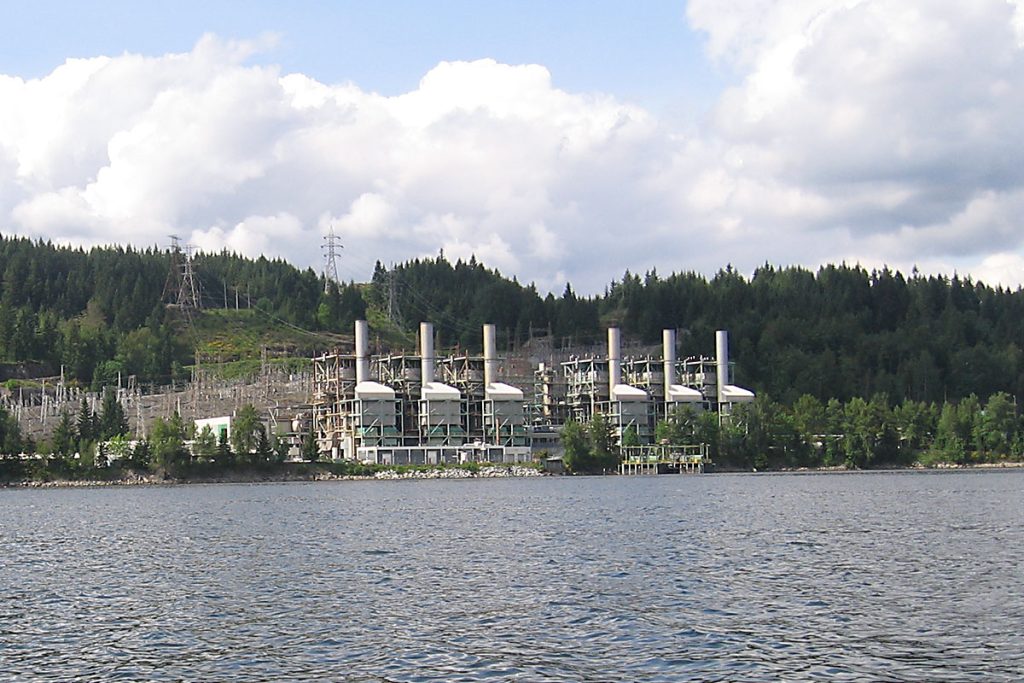
The long-awaited dismantling of the former Burrard Thermal Generating Station is still years away – and could once again leave Port Moody residents absorbing the financial fallout.
Representatives from BC Hydro appeared before Port Moody city council on Jan. 27 to outline a decommissioning and dismantling plan that would not fully wrap up until 2034, while also confirming the Crown utility expects to seek further reclassification of its lands – a move that would reduce municipal tax revenue.
“That is not great news for us,” Coun. Kyla Knowles said. “We’re limited in terms of our land size here, and we’d like to see a business operating there sooner than later.”
Local news that matters to you
No one covers the Tri-Cities like we do. But we need your help to keep our community journalism sustainable.
The update adds another chapter to the city’s long-running concern over the Burrard site, which has already cost Port Moody millions in lost taxes since the generating plant stopped operating in 2016, and a later reclassification to a lower-tax category.
A slow path to dismantling
Katrine Nielsen, BC Hydro’s project manager for the Burrard Thermal Decommissioning and Dismantling Project, told council the facility is currently operating to provide voltage support to the Lower Mainland’s transmission system.
That equipment, however, is now reaching the end of its useful life.
In 2022, BC Hydro applied to the BC Utilities Commission (BCUC) to replace the Burrard plant’s functionality with equipment at other substations. The application was denied in 2024, in part because it did not include a detailed plan or cost estimate for fully dismantling and remediating the Burrard site.
“Since then, we’ve been doing quite a bit of work to pull together a plan for how we would dismantle the facility and come up with a detailed cost estimate for that work,” Nielsen said.
BC Hydro plans to reapply to the BCUC in 2026. If approved, decommissioning work would begin in the fall of 2028, with demolition and dismantling running from 2030 through 2033. Final site restoration would follow, with the project closing out in 2034.
Project scope
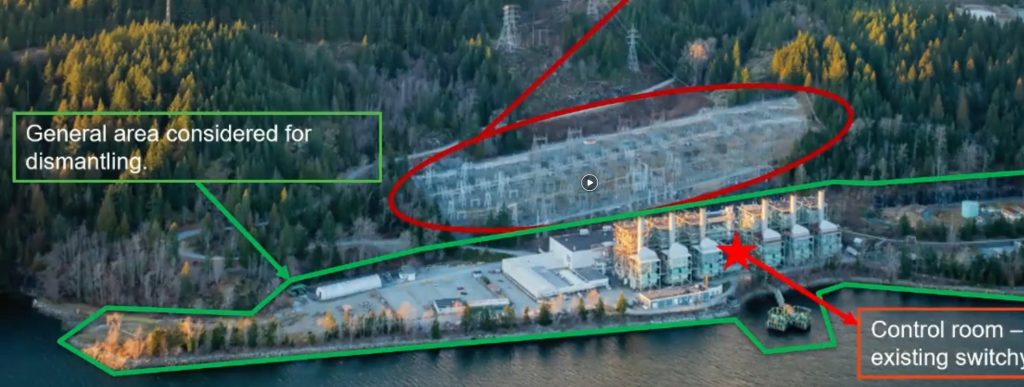
Nielsen described the scale of the work as substantial. The massive turbine building and boilers would be dismantled piece by piece, starting with the removal of heavy internal equipment before the structures themselves are demolished. BC Hydro is considering leaving the deep foundations of the turbine building in place and filling them in.
Marine infrastructure will also be removed, including a water cooling intake structure and piping in the Port Moody Arm. BC Hydro is also considering whether to upgrade the site’s 1950s-era barge landing to facilitate removal of large equipment.
Other structures slated for removal include a former ammonia plant, a water treatment plant, an administration building, oil storage and carpenter shops, workshops and sheds.
Some infrastructure will remain. The switchyard, which stands above the generating station, will continue to operate with protection and control equipment relocated from the turbine building.
BC Hydro also plans to retain the freshwater supply system from Buntzen Lake and keep a FortisBC-owned gas control station on site.
Remediation “not that bad”
Nielsen said contamination at the old industrial site is manageable and does not include any high-risk materials.
“This is an old industrial site, there is a level of soil contamination on site. Thankfully, it is not that bad,” she said.
Cleanup will include excavation of hydrocarbon-contaminated soils, removal of asbestos-containing materials, and targeted remediation of heavy metals where practical. Any contamination that cannot reasonably be removed would be managed through risk assessment and long-term monitoring. Work on the foreshore will also need to meet standards set by the Vancouver Fraser Port Authority, which owns that land.
Frustration over delays
Coun. Knowles expressed frustration with both the timeline and shifting expectations around when restoration would begin.
She said when council met BC Hydro representatives last fall, they mentioned plans for remediation and restoration of the site, but now it appears those plans have been delayed until more decommissioning work takes place.
“Reading this was quite surprising,” Knowles said. “This site . . . has been a source of frustration for myself and certainly for many other members of the community.”
Nielsen responded that some work could begin earlier, including marine removals as soon as summer 2028, but that most activity is contingent on regulatory approval.
Another tax blow likely
The longest-lasting concern for council, however, is financial.
Knowles noted that when Burrard Thermal stopped operating in 2016, Port Moody lost approximately $1.6 million annually in tax revenue. In 2024, the city learned BC Hydro had successfully reclassified 109 acres of the site to a lower utility tax class, costing the city another $380,000 per year and triggering $1.13-million in back taxes to BC Hydro.
She directly asked if BC Hydro now planned to reclassify the remaining 75 aces on the site.
“I do believe there will be a reclassification,” Nielsen replied. “That is definitely a consideration. I don’t have all the details of that, but BC Hydro is looking at it.”
The potential reclassification raises the prospect of another reduction in tax revenue tied to the city, which has seen its industrial tax base dwindle over the last 30 years.
Since 1993, residential property owners have seen their share of the roll rise from 48.4 percent to 67 percent, while taxes from major industries have been halved, falling from 33.7 percent to just 16.8 percent in 2024.
Author