Port Coquitlam residents ‘overwhelmingly happy’ with property taxes, budget consultation shows
Capital plan and operating budget approved for 2025
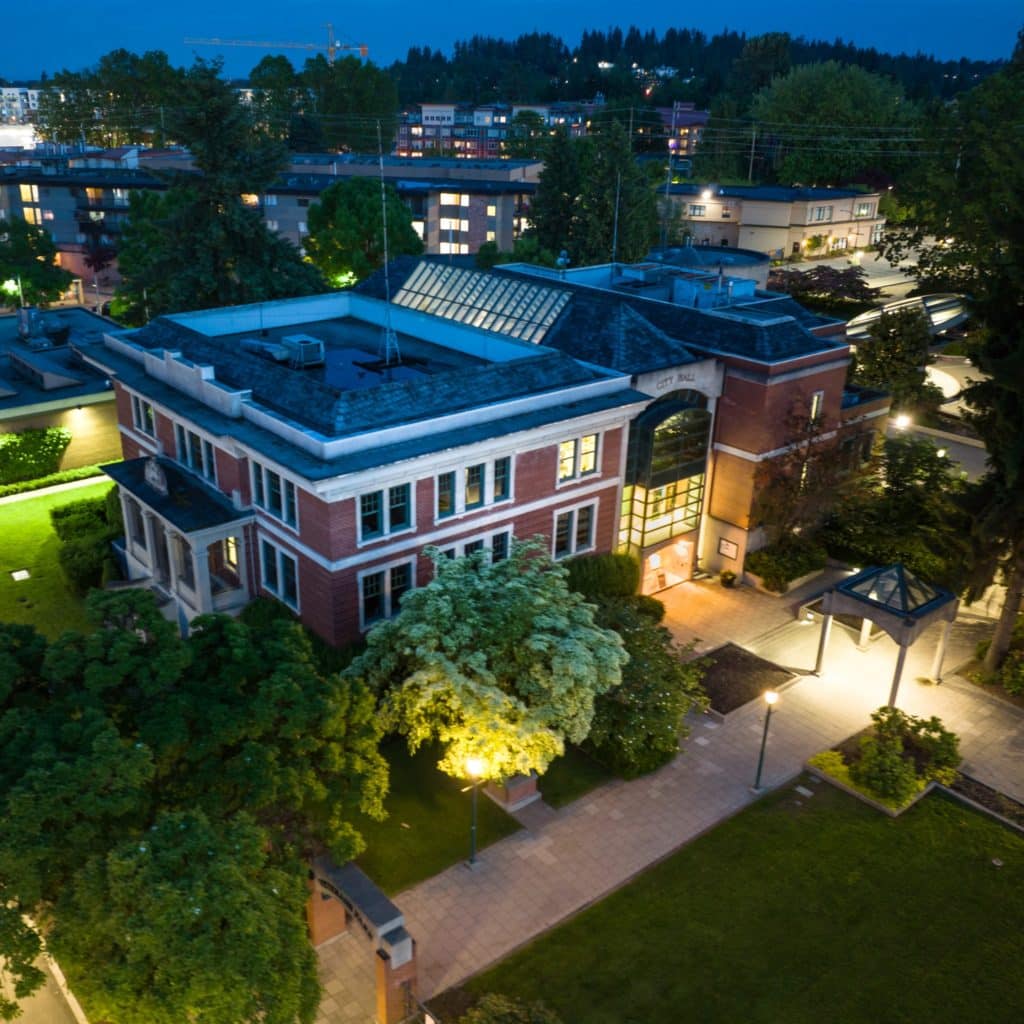
Port Coquitlam council will make no changes to the city’s proposed capital plan and operating budget.
Both items were unanimously approved for the 2025 budget on March 11 after this year’s budget survey reported residents were “strongly satisfied” with their tax rates.
Mayor Brad West said the results were an “affirmation” of council’s vision and priorities.
Local news that matters to you
No one covers the Tri-Cities like we do. But we need your help to keep our community journalism sustainable.
“Affordability is going to continue to be front and centre,” West said. “It’s interesting to see some other municipalities all of a sudden have to try and shift their focus to really prioritize that, whereas for us, that is so ingrained in everything that we do.”
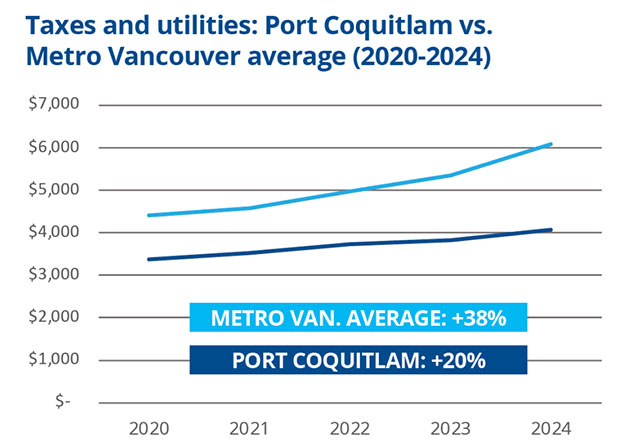
Port Coquitlam has the lowest property tax and utility costs increases in all of Metro Vancouver. Over the last five years, the city has increased their rates by 20 percent, compared to the regional average of 38 percent.
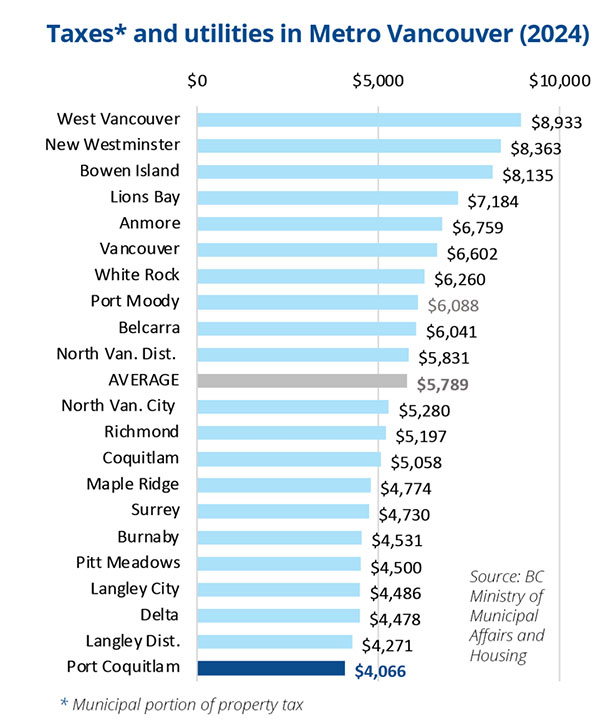
For the 2025 budget, the city is proposing an increase of just 4.3 percent for the average household, most of which is the result of RCMP and labour contract negotiations, as well as Metro Vancouver’s utility increases.
For comparison, Coquitlam has approved a 6.8 percent hike, while Port Moody has approved a provisional 5.71 percent increase.
Port Coquitlam’s budget survey concluded on Jan. 26, and received 943 responses.
Staff said residents were “overwhelmingly happy” with the value they get from their tax dollars, which they use as a key metric.
A total of 74 percent of respondents agreed they received good value, 17 percent were undecided, and 9 percent disagreed they received good value.
When asked how they felt about how the city’s property taxes compared to neighboring municipalities, respondents were more divided.
While 53 percent were in favour of keeping the city tax increase below average, 47 percent said they would have felt more comfortable paying similar increases to other cities.
When asked what services they would be willing to pay more for, the most frequently cited items were road maintenance and active transportation. However, staff noted that no topic stood out as a clear issue.
West said improvements to these areas are already priorities for council. “That’s very much in line with where council is focused,” he said.
Out of 563 respondents, 203 reported being happy with services and did not want to see any cuts.
Residents were also asked to rate their satisfaction among 14 different city services – everything from cultural programs to bylaw enforcement to parks.
Ten of these services received higher ratings than last year’s survey, two were unchanged and two decreased. The most improved services were garbage and recycling, festivals special events and active transportation.
Only satisfaction rates for police services and utilities decreased, which staff said was due to issues that are largely out of the city’s hands.
Coun. Paige Petriw noted it was “frustrating” to see so many survey comments raising issues that were outside the city’s jurisdiction.
The high cost of the utilities were driven by Metro Vancouver, which was responsible for 79 percent of the water hikes and 99 percent of the sewer hikes, according to staff.
Metro Vancouver increased their sewer rates by 42 percent this year due to the costs associated with the North Shore Wastewater Treatment Plant project, which has exceeded its original budget by around $3 billion.
Feedback on police services is mixed. Staff said while some residents expressed satisfaction, others wanted improvements to communication and transparency around crimes and police activities.
For the past two years, satisfaction with police has slightly declined in the budget surveys, with residents wanting higher presence in various areas, most notably downtown and school zones.
Staff added there is a growing concern over the use of drugs in public spaces.
Coun. Nancy McCurrach agreed with some survey comments wanting to see an increased police presence outside of the downtown area as well.
She also noted comments complaining about a lack of doctors and urgent care centres, and suggested the city could try to encourage more medical businesses to open in the city.
“This is starting to become commonplace, not just within our city, but within many cities in the Lower Mainland,” McCurrach said.
Author