Biologists investigate bat-killing fungus
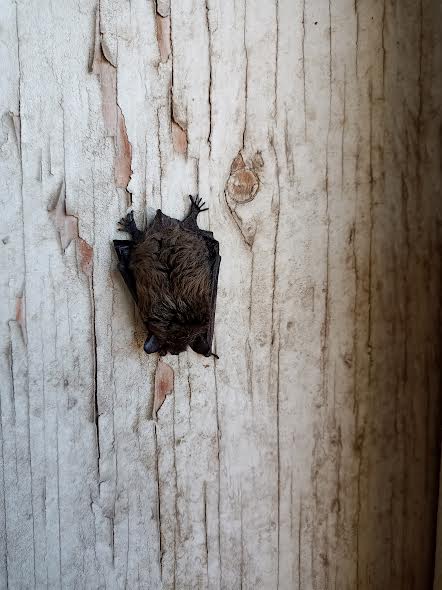
Taking a photo of a bat today might help save the life of a bat tomorrow.
Biologists are concerned a spreading fungus may be triggering white-nose syndrome in bats around Metro Vancouver and Squamish.
First observed in New York in 2006, white-nose syndrome has spread west and killed millions of bats.
Local news that matters to you
No one covers the Tri-Cities like we do. But we need your help to keep our community journalism sustainable.
“The disease has been found in bats just across the border in Washington and Alberta, and the fungus was found in a guano sample in the B.C. Boundary region,” explained Metro Vancouver-Squamish Community Bat Program coordinator Brynne Graham.
While white-nose syndrome hasn’t been spotted in Metro Vancouver bats, researchers are asking the public to report dead bats and daytime bat behaviour in a bid to prevent the spread of the disease.
The fungus, which tends to grow on a bat’s muzzle, ears or wings, causes the animals to wake up more frequently during hibernation to search for food and water.
“Unfortunately, many bats starve and die,” Graham stated.
As of 2024, white-nose syndrome was responsible for killing approximately six million bats in North America, according to the provincial government. In some cases, mortality rate within a bat colony ranges from 80 to 100 percent.
White-nose syndrome doesn’t cause illness in humans or pets but it can be spread by clothing or camping gear. Biologists advise avoiding caves during winter.
Bat sightings can be reported here or by email at info@bcbats.ca.
Author