Letterbox: Anmore Pinnacle Ridge development will damage Mossom Creek water quality, BIMES warns
Dear editor,
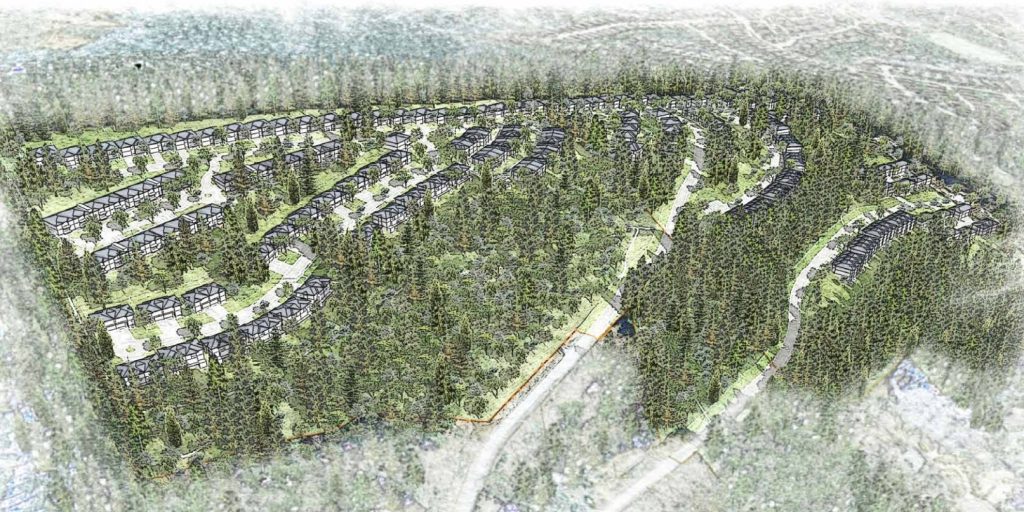
The Burrard Inlet Marine Enhancement Society (BIMES), which owns and operates the Mossom Creek Hatchery and Education Center, is extremely concerned about the proposed high-density development on a steep hillside near Mossom Creek and its tributaries.
Although some environmental concerns have been addressed in its planning, we feel that this dense development is not right for this site and is not adequately safeguarding the watershed’s health.
Local news that matters to you
No one covers the Tri-Cities like we do. But we need your help to keep our community journalism sustainable.
Location
The proposed development is on a steep slope clearly within the drainage area of Mossom Creek. Almost everything on this mountain side drains into Mossom Creek. As you know, Mossom Creek is recognized as one of the most pristine and biodiverse creeks in the Lower Mainland and a very valuable salmon-bearing stream and hatchery.
Septic
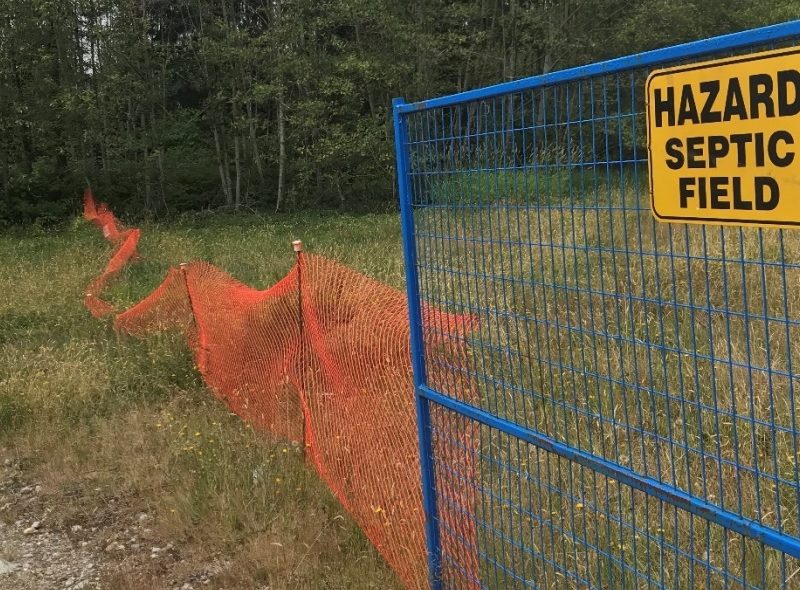
Septic fields are an acceptable strategy in rural areas with single large lots but are not suited for high density developments such as the one under consideration. Over time, groundwater contamination will occur where there are high densities of septic systems. A common failure of a system is when the capacity of soil to absorb effluent is exceeded during extended periods of heavy rainfall when soil is saturated or when particulate matter eventually clogs the soil making it harder for water to filter through. When this happens, wastewater from the drain lines makes its way to the surface. Water runoff from rain will wash harmful contaminants into water courses. With more numerous atmospheric rain events, we need a slow and cautious approach with solutions designed for a climate warming future.
Much of the water that enters a properly functioning septic field system will evaporate as may the dissolved volatile chemicals. But what happens to other chemicals including household cleaners, pesticides, herbicides and prescription drugs? They will become concentrated within the septic system but, if overflows occur, will also migrate downhill over time with water through the soil. We note the bedrock nature of the geology as described in consultants’ reports, so there is limited absorption into the ground.
It is important to realize how contaminants affect fish and their food in an aquatic system. Particulate contamination, composed of silt and humus, covers salmon eggs, cutting off the supply of oxygen and introducing fungus spores which infect the eggs. We have seen this in our incubation system. Silt is an irritant to the gills of young fish, leading to gill related infections. Abnormally high concentrations of nitrate and phosphate ions, although not toxic to fish, lead to increased algal growth in watercourses. Algae, during their growth and death consume oxygen, depleting its availability to fish and other aquatic organisms in the food chain. The most common sources of nitrate and phosphate are fertilizers, such as those used on gardens and lawns, open soil surfaces from fresh excavations, household detergents and sewage.
Another very toxic contaminant, ammonia, is a common contaminant found in sewage, fertilizers and animal feces. Even in concentrations of parts per million these ions are toxic enough to kill fish and other aquatic organisms. Organic contaminants, such as fuels, solvents, pesticides and herbicides are also very toxic to fish when found even in small concentrations in creeks.
We have recently become aware of a hitherto poorly publicized but very troubling cause of septic system failure. We have learned that not only antibiotics but the potent cell-destroying drugs used to treat cancers cause septic system failures. One of our directors has a friend who has been undergoing chemotherapy. Their septic system failed when the anaerobic bacteria essential to break down solids were killed and the system backed up. It was necessary, at a cost of $20,000, to dig up and replace their entire septic field system.
Once approved, the inspection of septic systems does not appear to be the responsibility of any level of government and is only triggered by a neighbour’s complaint of odour and perhaps overland flow. Given this serious regulatory gap, the long-term performance and the oversight of these systems are unknown and of grave concern. What happens if or when they eventually fail? What is Anmore’s plan for inspection, education, compliance, remediation and compensation?
Mossom Groundwater and Surface Water
The origin of Mossom Creek is the wetland to the east of Cypress Lake. Seepage through soil is a major contributor to its baseline flow. We notice a significant difference in the flow levels at East Road compared to down near the hatchery because of contributions from seeps upstream of the facility. We have been on site since 1976, and we have noted changes in the creek’s behavior that we attribute to ongoing development in Anmore. The Pinnacle Ridge development clearcut the hillside thus removing all vegetation that would help to absorb water and slow its movement. This currently proposed development significantly increases hardened surface area from roads, roofs, and driveways and delivers more water quickly into storm drains and ditches resulting in flashiness (how quickly water levels rises following rainfall) with higher highs and lower lows and a much-increased sediment load. We already see more flow in winter, less in summer and we must clean our intake several times a year, whereas we used to do this once annually. If this new development proceeds, that problematic flashiness effect will absolutely increase.
What is Anmore’s stormwater management program in relation to this development? The hydrogeological report clearly states that Mossom will be impacted.
Hydrogeological Survey Work
It is our understanding that at least some of the hydrogeological survey work on the east side of the proposed development was conducted during a heat dome. Of course, ephemeral streams would not be flowing nor would ponds be recorded as being connected to watercourses leading downstream. We strongly urge council to request additional hydrological work that would describe water flow, connectivity and volume during winter rain events.
Slope stabilization
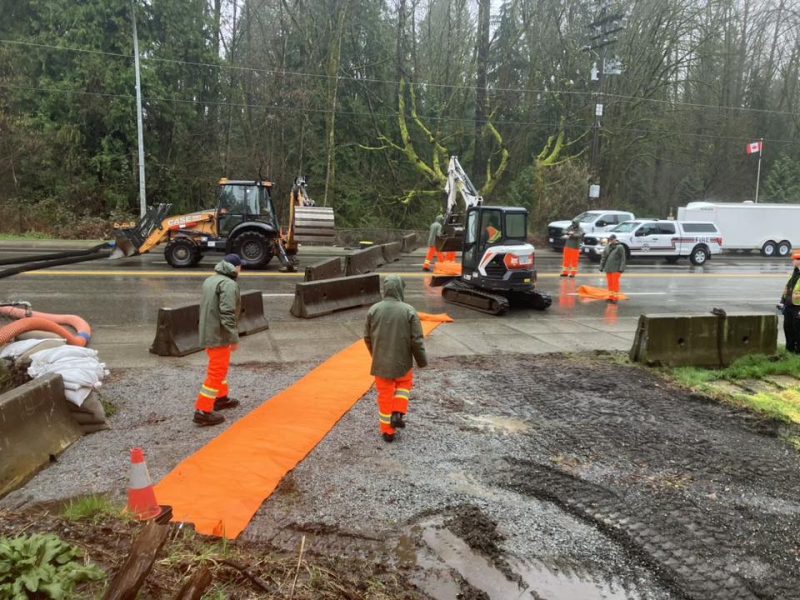
A famously massive slope failure during site preparation for the original Pinnacle Ridge development caused large amounts of mud from a sediment containment pond to flow across East Road into homes and into the Mossom Creek Hatchery in January 2009. That occurred following many illegal turbidity exceedances into Mossom Creek going back to 2007. We wrote to Anmore Council and appeared before Council an exhausting number of times with our concerns. The stream’s banks were altered by sediment accumulation at many locations. The proposed area is on the same steep hillside, and some of it, unlike the earlier development, is located directly above existing housing. Are the slope and underlying substrate that different from Pinnacle Ridge 1?
The hydrological report states that the 20 percent slope “would be expected to be relatively stable against slope instability.” Relatively!
Summary
We have also reviewed Anmore Residents Association letter to council that was forwarded and we share the desire to see a fulsome response to the eleven questions submitted to the village.
BIMES feels the proposed development has excessive density and an inadequate strategy to deal with sewage and overland water flow. We feel strongly that septic systems are inappropriate and ill-advised. This development in its current proposed state will seriously damage Mossom Creek’s water quality. We request council to re-consider this development for the above reasons.
Sincerely,
Kevin Ryan, Burrard Inlet Marine Enhancement Society president, on behalf of the board