Port Moody officially removes heritage designation from Belcarra South Cottages
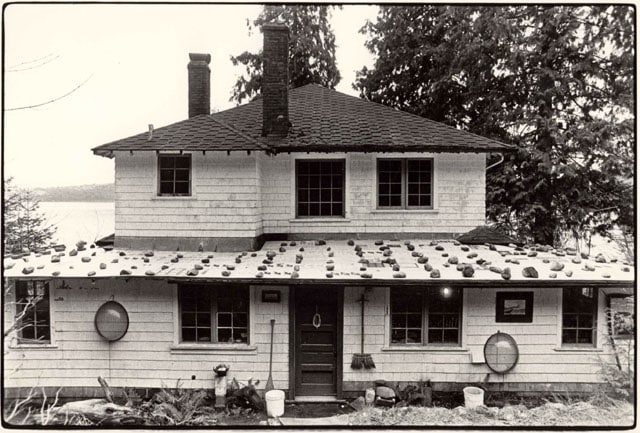
Port Moody has withdrawn the heritage protections from the Belcarra South Cottages, save the Bole House, likely leading to their future destruction.
The vote was unanimous at council on Nov. 7, which followed a public hearing on the decision.
“I don’t think we’re erasing history, but we’re adding to it,” said Coun. Samantha Agtarap. “With the restoration of the Bole cottage, I do believe that the intention of Metro Vancouver . . . and Tsleil-Waututh Nation is to incorporate it into future plans.”
Local news that matters to you
No one covers the Tri-Cities like we do. But we need your help to keep our community journalism sustainable.
The six rustic cabins sit on the western shores of Belcarra Regional Park and represent some of the last remaining examples in Metro Vancouver of summer vacation cottages in use during the early 20th century.
Removal of the heritage designations, however, will allow for recognition of the Indigenous heritage of the lands, which date back much further, according to the city.
The cottages sit on a site which was the first ancestral village of the Tsleil-Waututh Nation, who occupied the lands for hundreds of years.
Tsleil-Waututh Nation have noted they were never consulted when the cabins were first constructed, nor when the cottages received a heritage designation in 2015.
They requested the city remove the designations last summer, citing risks to environmental, cultural, and archaeological heritage, as well as opening up greater access to the public.
Tsleil-Waututh Nation, working in partnership with Metro Vancouver, have been planning a revision of the area since the former was officially recognized as a co-manager of the park in 2020.
That revision is set to focus on adding elements that honour Indigenous culture, include future land use changes and educational components, according to Metro Vancouver.
The largest cottage – the Bole House – will not lose its heritage designation, and will instead be restored along heritage guidelines and opened to the public with an educational component.
Metro Vancouver has had various plans in place since at least 1985 to remove the cabins and expand the public’s access to the area including evicting the long-time tenants, a move that led to legal battles.
When news that the city was intending to rescind the heritage protections was first heard, some concern was expressed by heritage advocates.
One of the concerned parties, Laura Dick of the Port Moody Heritage Society (PMHS), said she understood the rationale of removing the designation during the public hearing, but added preserving settler history is important as well.
“I feel like the city, the province, people in general – and I include myself in that – are becoming more aware of what reconciliation really means,” Dick said. “I feel it is also important to recognize that First Nations and settler history overlap.”
Coun. Diana Dilworth acknowledged the initial concern of some advocates around removing history, but said planners will just be adding an additional lens of Indigenous heritage.
“It’s not one or the other, it’s both moving forward,” Dilworth said. “There will always be a place to re-tell the story of the cottages.”
Dilworth added the statement of significance made during the original designation process will maintain some of the settler heritage, also suggesting a plaque could be placed at the site.
Coun. Amy Lubik said removing the heritage designation would be a way to repair historical wrongs and oversights regarding engagement with the Tsleil-Waututh Nation.
Mayor Meghan Lahti successfully brought forth a motion requesting staff to investigate ways to preserve and archive the historical record of the cottages in the city’s heritage register and with the PMHS.
Author