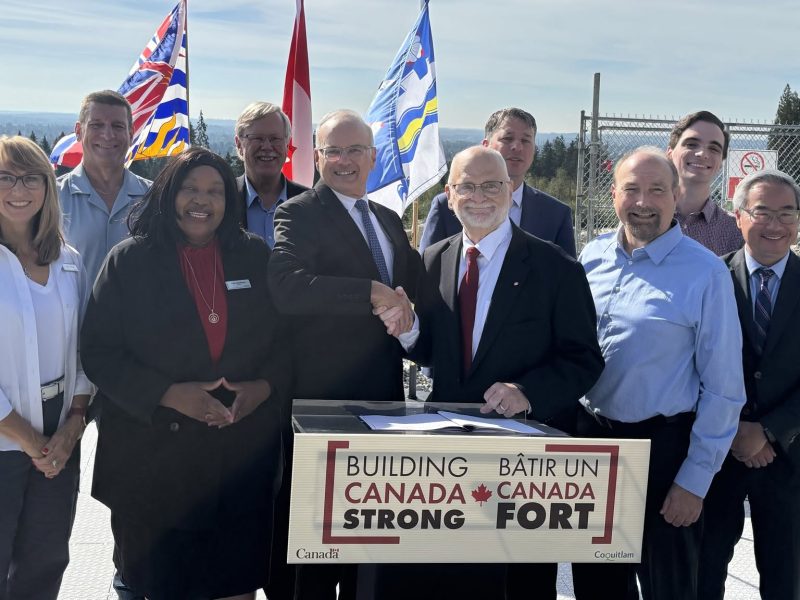
Long-protected Widgeon Marsh set to welcome visitors for the first time
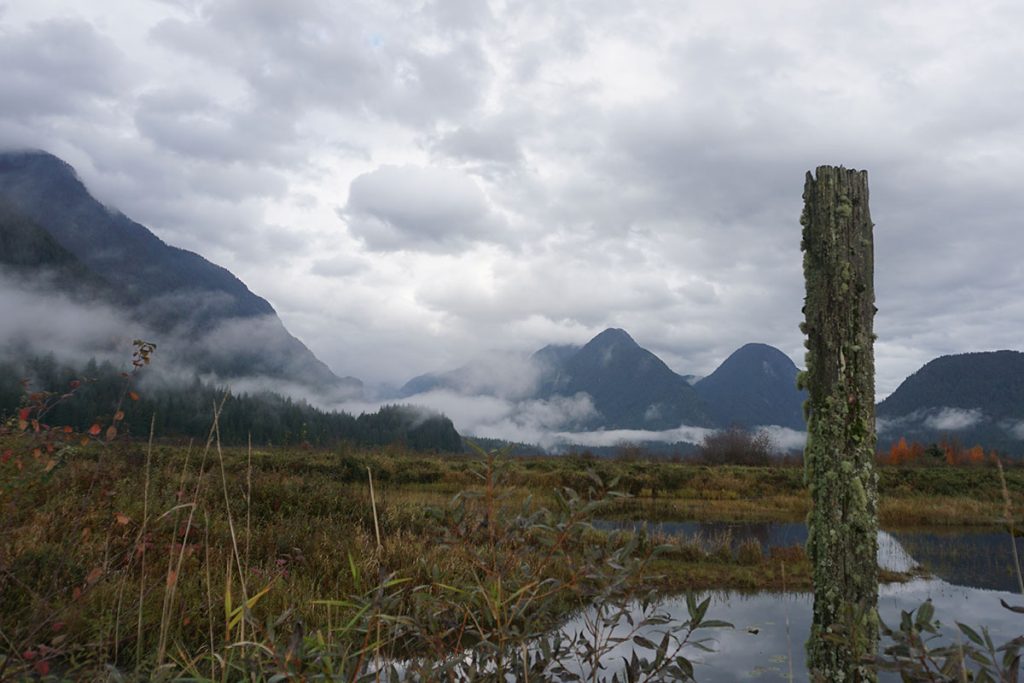
After decades of being off-limits, one of the region’s most ecologically significant landscapes is finally opening its gates to the public.
Metro Vancouver announced on Oct. 23, that Widgeon Marsh Regional Park, just north of Coquitlam and Minnekhada Regional Park, will welcome limited public access starting November 1, 2025.
This marks the first time visitors will be able to legally explore the heart of the largest freshwater wetland in southwest B.C.
Local news that matters to you
No one covers the Tri-Cities like we do. But we need your help to keep our community journalism sustainable.
“This is a remarkable ecological treasure, and we’re proud to take this important step toward welcoming the public,” said Metro’s board chair Mike Hurley. “This limited opening reflects our commitment to protecting sensitive habitats while creating meaningful opportunities for people to connect with nature.”
The park will be open daily from 8 a.m. to 3:30 p.m., accessible by foot, bicycle, or paddle via Widgeon Slough. A small gravel parking area will operate by reservation only, and weekend visitors can book seats on a free shuttle from Lafarge Lake–Douglas SkyTrain Station.
Officials emphasized that this is a cautious beginning. Of the park’s total area, only about six percent will initially be open to visitors, while the remaining 94 percent will remain protected wilderness.
“Widgeon Marsh is one of the most sensitive sites in Metro Vancouver’s system,” said Metro’s regional parks committee chair John McEwen. “We’re opening it in a way that respects its ecological importance.”
The wetland’s significance
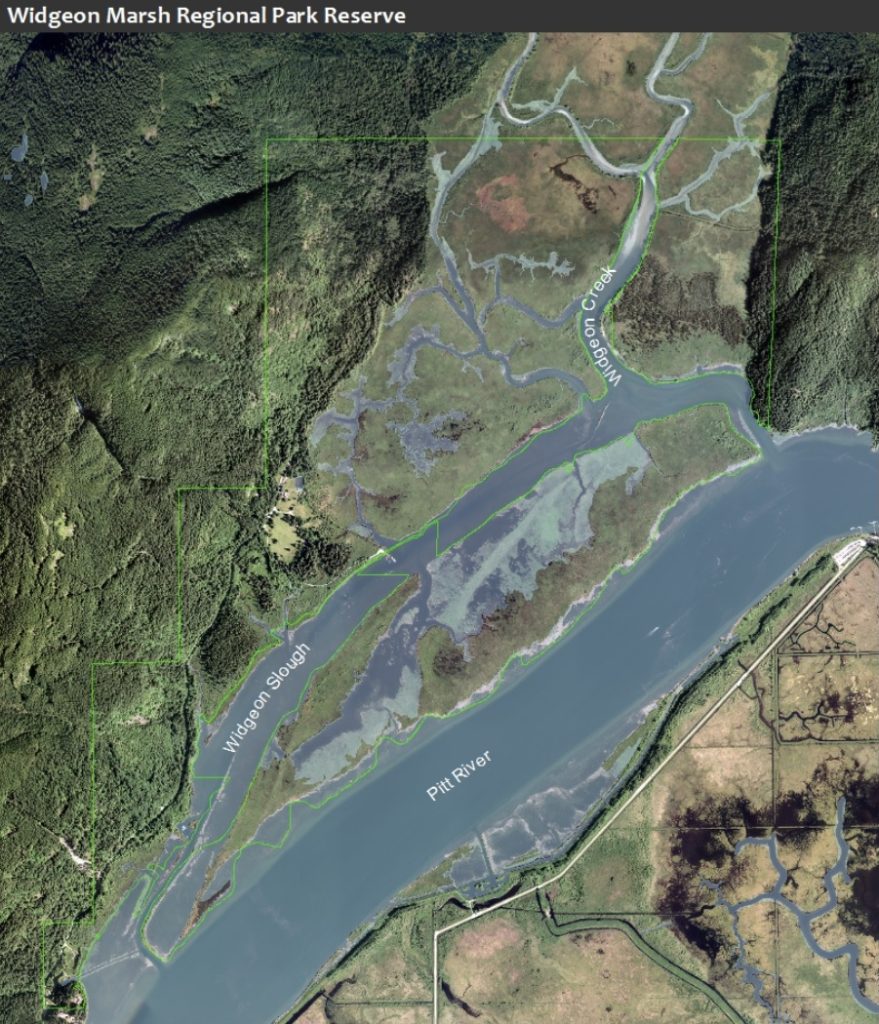
The Widgeon complex – where the Widgeon Creek delta meets the Pitt River floodplain – forms the core of the largest undiked freshwater tidal marsh in the Fraser Lowlands, a 22-kilometre network of creeks, sloughs, and wetlands stretching toward Pitt Lake.
Adjacent to the new regional park lies the Widgeon Valley National Wildlife Area (NWA), a 125-hectare federal reserve managed by Environment and Climate Change Canada and The Nature Trust of B.C. (TNTBC) under a 99-year lease.
The lands forming the Widgeon Valley were once owned by two private logging companies, before the Burnett family purchased them in the 1940s. The land was later sold to TNTBC in 1973 – the same year the federal government passed the Canada Wildlife Act.
The NWA is classified as a “strict nature reserve” under the International Union for Conservation of Nature (IUCN) system – meaning it is managed primarily for research and habitat protection, with only non-motorized boat passage and wildlife viewing permitted.
The 2019 federal management plan describes the Widgeon Valley as home to trumpeter swans, great blue herons, bitterns, and more than 50 species at risk, including Pacific water shrew, white sturgeon, and northern red-legged frog.
For thousands of years, the Katzie First Nation has occupied and stewarded the area for hunting, fishing, and harvesting wapato, a groundnut also known as “Indian potato.”
The Nation continues to play a role in guiding land-use decisions and education within the watershed.
Careful access, slow expansion
Metro Vancouver staff say the new access represents a “measured balance” between public enjoyment and conservation.
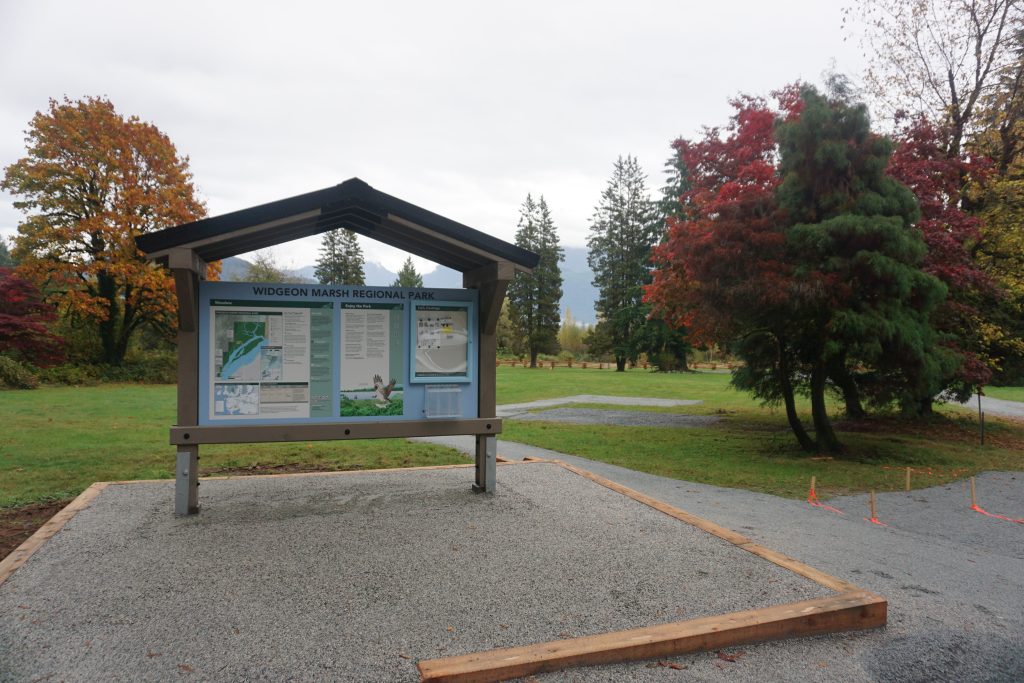
Before the opening, crews from across the regional park system installed new wayfinding signs, fences, kiosks and trail furniture, all built in-house.
From the gravel lot, visitors can follow a 2.4-kilometre route to an open meadow, then loop around a 1.1-kilometre trail to the Pitt River, offering expansive views of the wetlands and surrounding mountains.
The first-phase construction, which included trail work, amenities, and slope stabilization, carried a capital cost of $3.8 million, according to Metro Vancouver.
Eventually, more trails and amenities will open as infrastructure and habitat protection measures advance. Road upgrades and further trail development are already in design.
To protect wildlife, dogs are prohibited (except service animals), and cell service and potable water are unavailable. Visitors are urged to come prepared and respect posted boundaries.
Part of a broader parkland vision
The limited opening is the first step toward a larger public launch planned for spring 2026.
It also fits within Metro Vancouver’s broader effort to expand access to regional natural areas while protecting ecological integrity.
“Projects to open and improve access to regional parkland are moving forward across the region,” the regional district said, citing new initiatives such as open-space and greenway development at Campbell Valley Regional Park, the replacement of the Delta Nature Reserve boardwalk, and the development of the təmtəmíxʷtən / Belcarra South Picnic Area.
Metro’s overall parks strategy envisions a connected network covering about five percent of the region’s land base, integrating regional parks, greenways, park reserves and ecological conservancy areas.
The plan also identifies unprotected natural lands for potential acquisition to create future parks and expanded recreational areas.
First designated as a regional park reserve in the 1990s, Widgeon Marsh has remained shuttered while Metro completed environmental studies, slope stabilization, and trail construction.
Now, officials hope the cautious opening will allow the public to experience one of the region’s last intact wetlands – without compromising its future.
Author