‘Are we prepared for heat waves down the road?’ What cities can do to mitigate the effects of a heat dome
How do we get out from under the next heat dome?
That question is the crux of a recently published SFU study on the role cities can play in lessening the impacts of extreme heat.
“We have to take steps today to prepare our buildings and neighbourhoods so we can save lives tomorrow,” explained SFU associate professor Andréanne Doyon.
Local news that matters to you
No one covers the Tri-Cities like we do. But we need your help to keep our community journalism sustainable.
On June 24, 2021, temperatures in B.C. crept up to record levels, eventually hitting 40 C in some places.
High pressure hovered over much of B.C. for a week, trapping warm air and causing uncharacteristically high overnight temperatures.
Of the 619 heat-related deaths, most were older adults with compromised health who lived alone. An estimated 98 percent of the 2021 heat dome deaths occurred indoors.
In the years that followed, much of the focus has been on public health and emergency management, Doyon noted.
“But I really felt there was also a lack of attention on planning and really thinking about future long-term impacts of extreme heat events,” she said. “Are we prepared for heat waves down the road?”
While dealing with heat waves hasn’t generally been part of municipal planning, cities “are well situated to respond to extreme heat,” due to their authority over land use, the study concluded.
To get a better understanding of municipal preparedness, researchers analyzed 243 documents from 27 municipalities and two regional districts across Metro Vancouver. Researchers combed through those documents to find plans for tree cover and green space as well as for design and land use plans meant to mitigate extreme heat.
While cities can’t do much to prevent a heat dome from forming, urban planning can play a critical role when it comes to those few degrees between unpleasant and unbearable.
When buildings are packed closely together among paved surfaces, an urban heat island can develop, where there’s an “absorption and re-emission of heat,” the study noted.
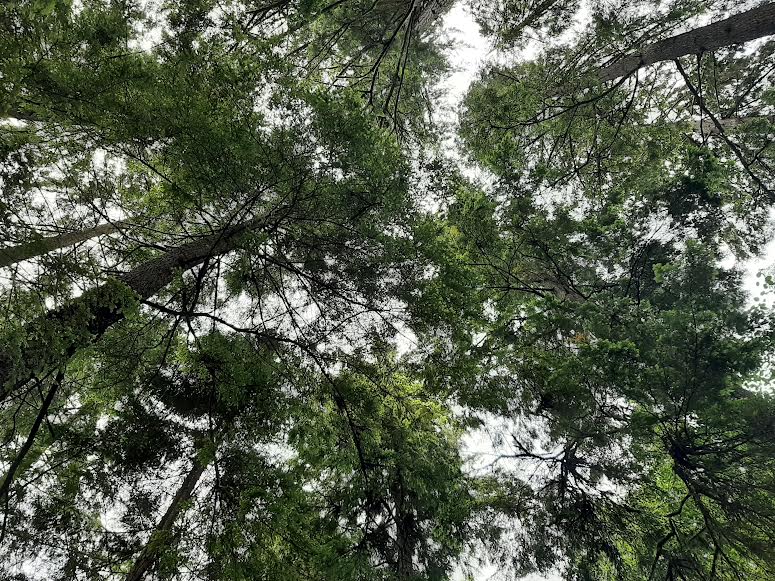
Those islands may have been exacerbated by a thinning of tree canopies.
From 2014 to 2020, the amount of tree-canopy in Metro Vancouver dipped from 32 to 31 percent in urbanized areas, according to a Metro Vancouver report. Impervious surfaces, such as roads, increased from 50 to 54 per cent in the same span.
Temperatures in urban areas are generally about 3 C hotter than in more rural areas, the study found.
In the years following the heat dome, larger cities like Vancouver and Surrey tended to have quite a few extreme heat initiatives while smaller municipalities had very few.
However, in mid-sized cities, “the variation was just, in some ways, quite wild,” Doyon said.
“There were these municipalities that were quite aware of extreme heat impacting their communities, really had thought through a number of different initiatives and programs; and then you had ones that just didn’t.”
There was a quite a disparity within the Tri-Cities, she added.
“We see Port Moody as being much more engaged in climate action than Port Coquitlam,” Doyon said.
Researchers found 46 references to extreme heat mitigation strategies in Port Moody municipal documents, 32 in Coquitlam and 5 in Port Coquitlam.
Port Coquitlam has a detailed two-tiered Extreme Heat Response Action Plan, stated the city’s deputy fire chief Jason Marshall.
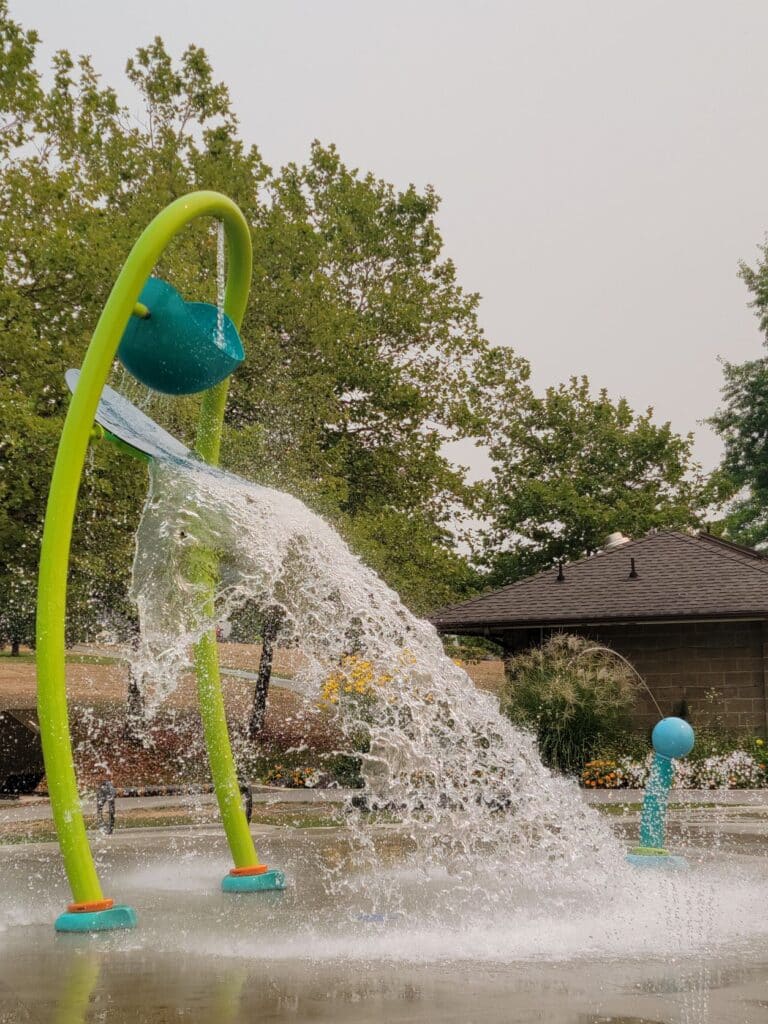
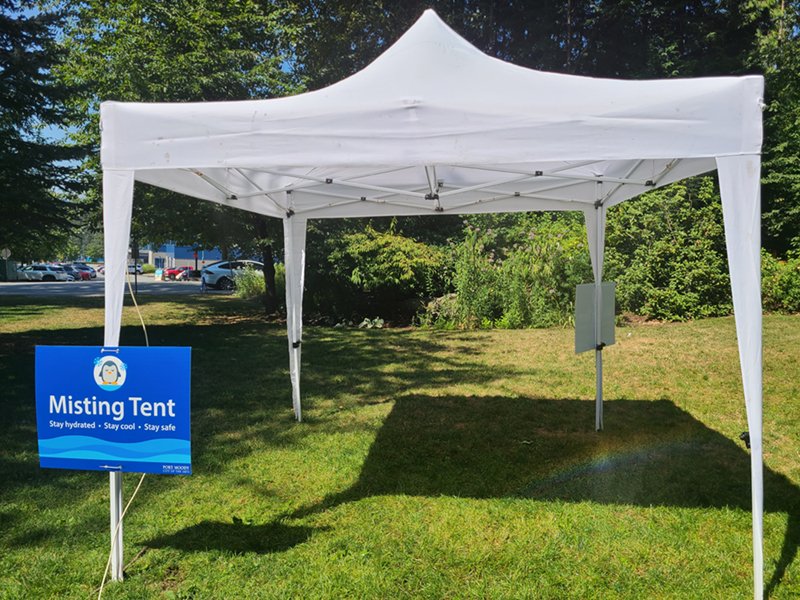
“To help residents stay cool during heat emergencies, the city invested in misting stations and tents. Since 2022, two misting tents and two misting stations were purchased to be deployed strategically across the city during periods of extreme heat,” Marshall wrote in an email to the Dispatch.
The city also has designated cooling centre at Hyde Creek rec centre and the Port Coquitlam Community Centre.
Residents can also get emergency updates through the city’s Alertable app.
In 2022, Port Moody passed a motion intended to encourage developers to add air conditioning and filtration systems to new housing.
Of the 619 British Columbians who died during the 2021 heat dome, at least 414 did not have air conditioning.
Port Moody has also prepared significant updates to the city’s tree protection bylaw. Rather than a two-to-one replacement ratio, the number of required plantings will now depend on the canopy size the trees reach at maturity. In some instances, the ratio grows as high as four-to-one.
In 2022, the province established a committee to: “support planning and response efforts related to the public health impacts” of heat waves.
BC Hydro also has plans to allow British Columbians who are medically vulnerable to get a free air portable conditioner through a health authority referral.
Given the patchwork approach across Metro Vancouver, it may be time for the province to mandate municipal responses to extreme heat, according to Doyon.
“My hope is always that people are thinking about heat all year round,” she said. “You can’t just plan for heat in July.”
Author