Blooming native plants lead to booming biodiversity, gardener finds
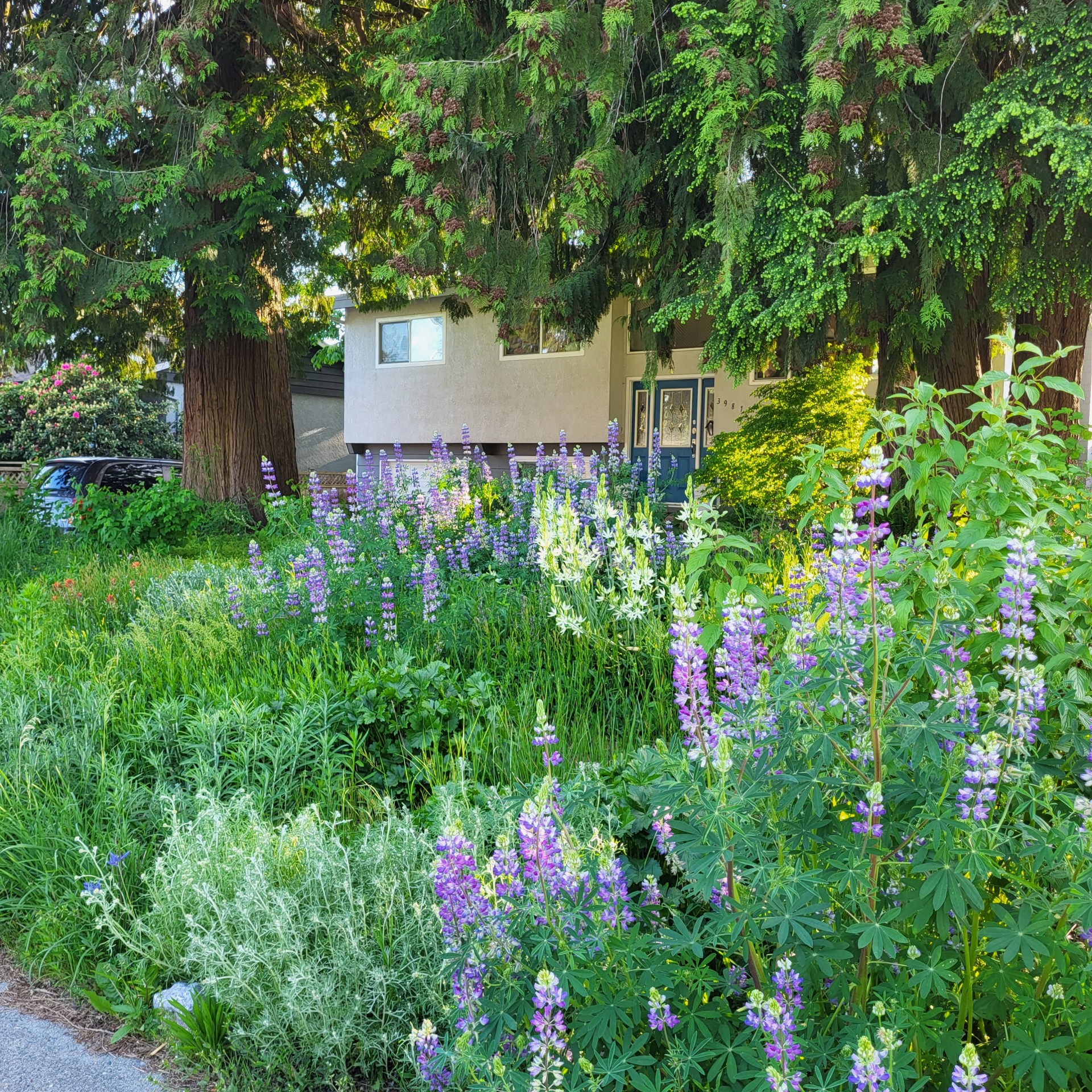
Amanda Lam’s front yard is blooming with yellow, peach, pink, purple, and white flowers, planted around two old western red cedars and a western hemlock. If it’s not raining, it’s active with bees, butterflies, and birds.
The difference between her garden and many yards in the neighbourhood? Lam’s growing a majority of native plants. Wooly sunflowers, nodding white onion and large-flowered collomia — all local to the Lower Mainland — are among the many species she grows.
The Port Coquitlam-based school teacher and mother of three started gardening during the pandemic when, like many, she found she had extra time on her hands. She borrowed as many gardening books from her library as she could. At first, she planted vegetables and some flowers. Eventually, she came across a book on native plant gardening, where she learned the importance of native plants for local pollinators.
Local news that matters to you
No one covers the Tri-Cities like we do. But we need your help to keep our community journalism sustainable.
“It definitely changed my mind on how I garden,” Lam said.
And it inspired her to change her entire front yard. Lam dug up all the grass. She went at it first with a shovel before she discovered a sod remover would get the job done in a half a day. She also started researching online to learn about local native plants, and found some retailers that sold them nearby. Over the next couple gardening seasons, she filled up her front yard with a large variety of fauna.
“I’m really going for biodiversity,” she said.
Lam is creating an important habitat patch for local species, something increasingly important in places like the Tri-Cities with an ongoing development boom.
Why it’s important
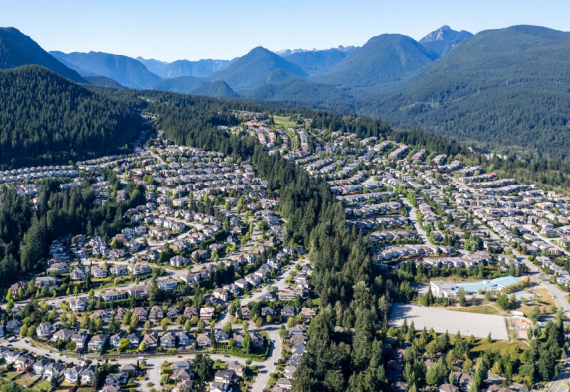
The Lower Mainland is considered a biodiversity hotspot, with forests, lakes, streams, estuaries, and wetlands. It also has dozens of at-risk species. According to the Nature Conservancy of Canada, 28 percent of the land is urbanized and more than 13 percent is used for agriculture.
“As our cities grow, obviously, the natural areas get smaller and smaller,” said Naomi Higo, the coordinator for the Institute of Urban Ecology at Douglas College.
“I think what people are really starting to realize is that the little things that we often overlook — like the little insects, the bees, the butterflies, even the health of our soil microbes now — their well-being really affects our well-being.”
If people garden with native plants, Higo explained, it helps bring back some habitat for local species.
“And we’re not just talking about the charismatic species, like bears and deers. But smaller things like birds and insects and amphibians and fish,” she said.
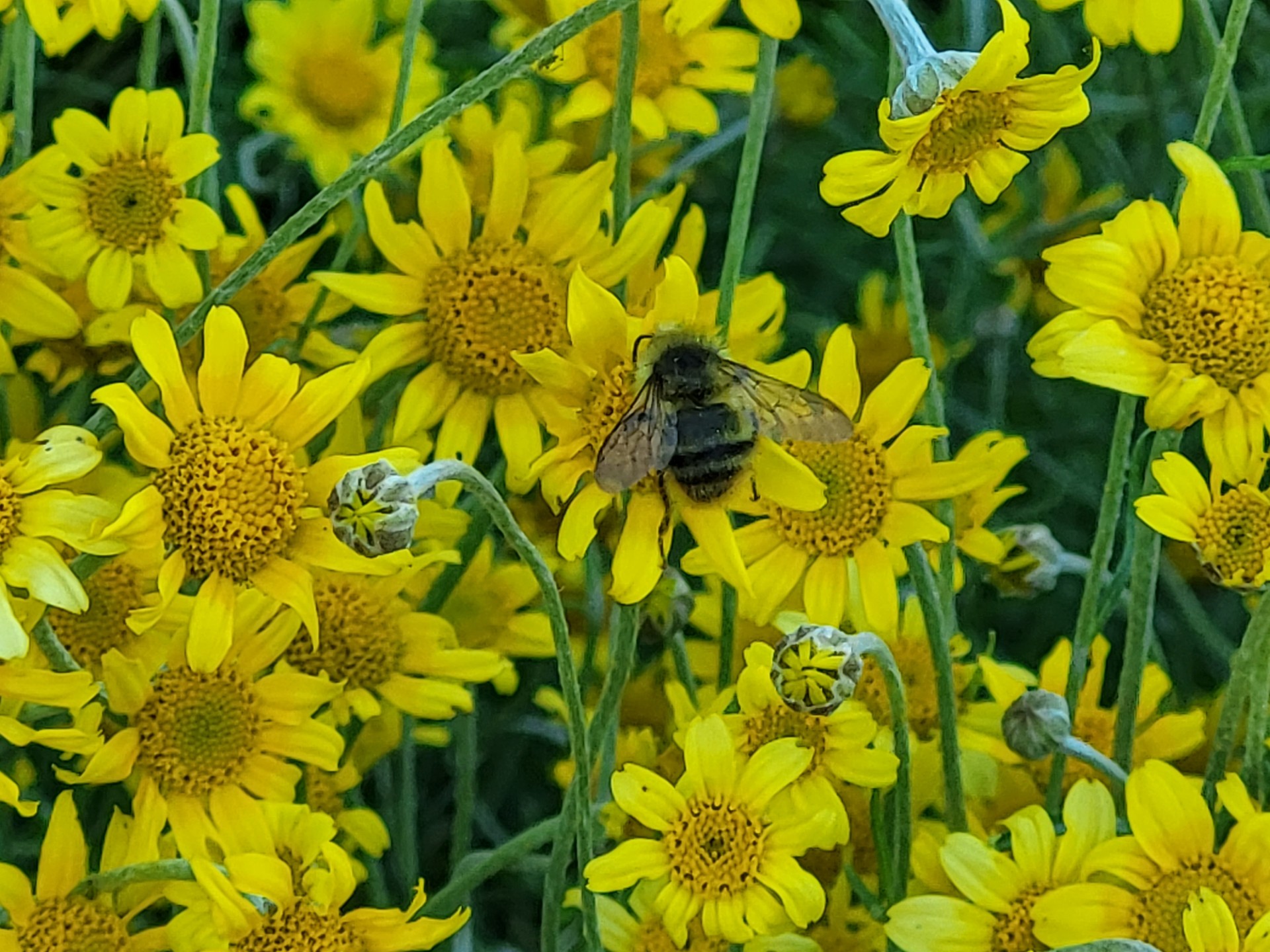
A lot of these animals — including pollinators — have coevolved with native plants. For example, pearly everlasting (a native plant with clusters of daisy-like flowers) is one of the host plants for American Lady and American Painted Lady butterflies. Their caterpillars eat it to grow.
Creating patches of habitat
Planting native plants here and there — even if it is only a pot on a balcony — creates patches that can sustain pollinators. “Think of it like little islands that they can access in peoples’ backyards,” said Joanne Neilson, the executive director of the Fraser Valley Conservancy.
“It’s giving nature a helping hand,” she said.
Monoculture (like a front yard with only grass growing) is like driving down a long road without any places to rest or eat, Neilson said. Local animals have nowhere to get food. If gardens with native plants are dispersed throughout an urbanized area, the animals have rest stops.
Once established, native plants are also low maintenance if they are planted in correct conditions, Neilson added. Find out where those plants grow naturally and then look for a spot that mimics that environment, she advised.
Increased interest in native plant gardening
There’s been a growing interest in gardening with native plants, according to Josh Thompson, the founder of PlanBee Native Plants. He’s in his fourth year of running the shop, which he started after he learned about the importance of local pollinators.
“I just got really obsessed,” he said. “It really taught me how every common person thinks about bees — and what we’re doing for bees — is really wrong.”
Many local insects aren’t adapted to the European or Asian plants people might be gardening with, Thompson said. Honey bees, he said, also aren’t native to North America.
“And they’re actually very detrimental to our actual native bee and pollinator populations because they help impede them.”
Thompson said he expects native plant gardening will to grow in popularity.
“Especially in current times of climate change,” he said. “I feel like it’s one of the few tangible things the everyday person can do to actually make a bit of an impact. And even just see results and the biodiversity you can support just in your backyard.”
Giving back
Back in Port Coquitlam, Lam can attest to this. When her front yard was only grass, Lam said there weren’t any birds or bugs in her yard. Right next to a busy street, she said her children didn’t even play on it. Now, she feels like she can give back part of her property to nature.
“I can’t do much to give back to the bears that are losing their territory and things like that. But at least like those insects, and those birds and squirrels,” Lam said.
“Now I feel like it’s full of life.”